
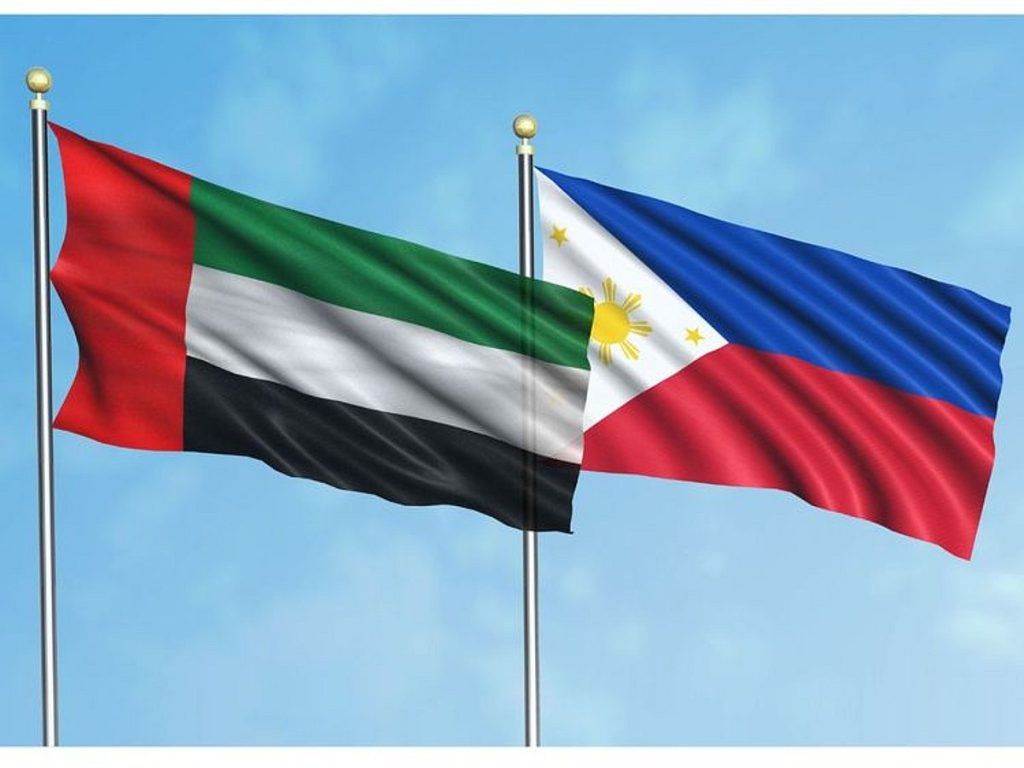
Faster and more efficient payments
Both central banks will work towards enabling seamless cross-border transactions by connecting their payment infrastructure, with the option to link national card switches and financial messaging systems in the future.
The effort is designed to reduce processing times and improve efficiency, while strengthening interoperability between financial systems in both countries.
The agreement also includes collaboration on central bank digital currency development, with both sides set to exchange expertise on building platforms for individuals and institutions.
“This agreement marks a significant step toward building a more connected and innovative financial ecosystem between the UAE and the Philippines,” said Khaled Mohamed Balama, Governor of the Central Bank of the UAE. “By leveraging advanced payment technologies and sharing expertise, we are laying the foundation for a new era of seamless integration and sustainable, innovation-led economic growth.”
Focus on remittances and fintech
The partnership places strong emphasis on improving remittance channels, a critical area for the large Filipino community in the UAE.
“This partnership supports the BSP’s push to digitalise payments and make cross-border transactions more efficient,” said Dr Eli M. Remolona, Jr., Governor of the Bangko Sentral ng Pilipinas. “For Filipinos in the UAE, especially our overseas Filipino workers, this means better remittance channels and more efficient financial services for their families back home. We also see strong opportunities to collaborate in Islamic banking and finance as we work toward a sound and inclusive financial ecosystem.”
The agreement also opens the door to collaboration in areas such as open finance and digital assets, with both countries looking to build more connected financial systems.
Broader economic ties
Beyond payments, the memorandum signals a wider push to strengthen trade and economic cooperation between the UAE and the Philippines.
The focus on financial infrastructure, digital innovation and Islamic finance reflects growing alignment between the two markets, with both central banks looking to support more efficient capital flows and deeper economic links.
Nivetha Dayanand is Assistant Business Editor at Gulf News, where she spends her days unpacking money, markets, aviation, and the big shifts shaping life in the Gulf. Before returning to Gulf News, she launched Finance Middle East, complete with a podcast and video series.
Her reporting has taken her from breaking spot news to long-form features and high-profile interviews. Nivetha has interviewed Prince Khaled bin Alwaleed Al Saud, Indian ministers Hardeep Singh Puri and N. Chandrababu Naidu, IMF’s Jihad Azour, and a long list of CEOs, regulators, and founders who are reshaping the region’s economy.
An Erasmus Mundus journalism alum, Nivetha has shared classrooms and newsrooms with journalists from more than 40 countries, which probably explains her weakness for data, context, and a good follow-up question.
When she is away from her keyboard (AFK), you are most likely to find her at the gym with an Eminem playlist, bingeing One Piece, or exploring games on her PS5.