
Published on
May 30, 2026

Image generated with Ai
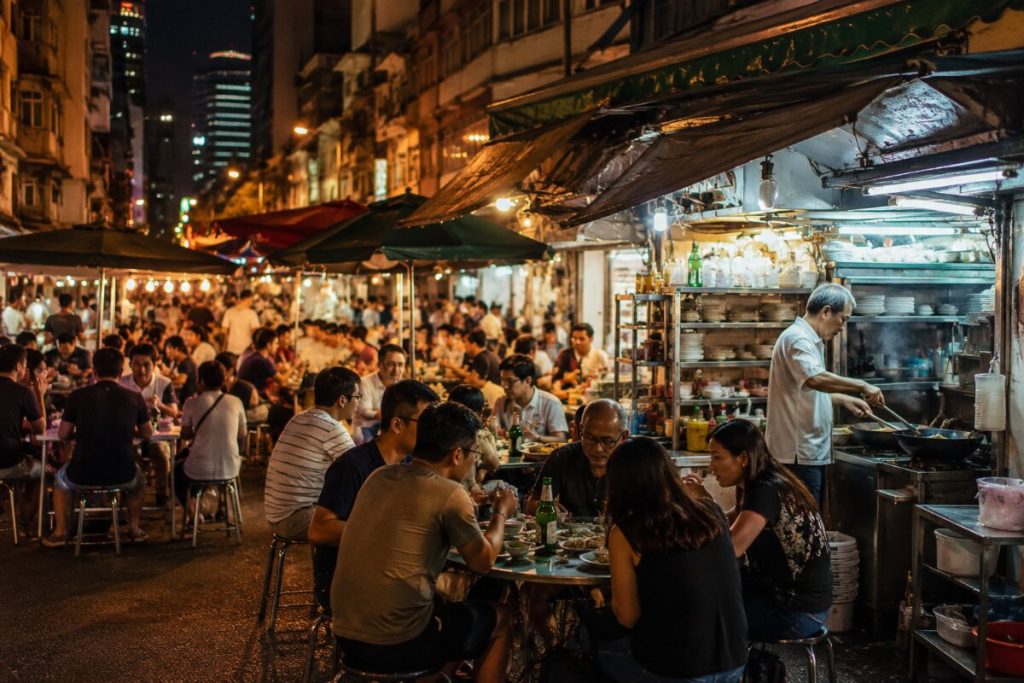
China’s Hong Kong is seeing tourism become a crucial new lifeline for its dwindling Dai Pai Dong food stalls as visitors look for real neighbourhood dining, local flavour and heritage street culture beyond glossy skyline views. The city’s famous open-air cooked food stalls now sit at the centre of a wider tourism story. They are not only places to eat. They are living pieces of Hong Kong’s working-class food history, and official tourism promotion is giving them a stronger chance to stay visible.
The issue has gained new weight as Hong Kong continues to rebuild its visitor economy. Official tourism data shows that the city welcomed nearly fifty million visitors in 2025, with arrivals rising from the previous year. That recovery gives Hong Kong’s small food businesses a wider customer base. For the surviving Dai Pai Dongs, this visitor flow may be vital.
Why Hong Kong Food Tourism Matters Now
Hong Kong has long sold itself as a city of speed, skyline, shopping and flavour. Yet today’s travellers want more than a quick photo at a famous landmark. Many want a meal that feels local. They want the smell of wok cooking, the sound of a busy street, foldable tables, simple stools and dishes served in a setting that feels rooted in real city life.
This is where Dai Pai Dongs become powerful for Hong Kong food tourism. These open-air stalls carry a street-side energy that polished restaurants cannot copy. They connect visitors with everyday Hong Kong. They show how food, labour, memory and neighbourhood life meet in one small space.
Advertisement
Advertisement
The Hong Kong Tourism Board already promotes Dai Pai Dongs as part of the city’s food and drink appeal. Its visitor-facing material highlights traditional stalls, semi-outdoor settings, nostalgic layouts and local dishes. This official promotion matters because tourists often choose food experiences after seeing them in travel guides, online campaigns and neighbourhood itineraries.
Only A Small Number Of Dai Pai Dongs Remain
The tourism opportunity comes with a serious warning. Hong Kong’s Dai Pai Dong culture is no longer widespread. Official Legislative Council material has recorded only seventeen Dai Pai Dongs in Hong Kong. That small number shows how fragile the trade has become.
Advertisement
Advertisement
The decline did not happen overnight. Hong Kong’s hawker policy has long focused on regulation, public hygiene, obstruction control and relocation into markets or cooked food centres. The Food and Environmental Hygiene Department states that, since the early nineteen seventies, new hawker licences have generally not been issued under normal circumstances. This policy helped manage street order and hygiene, but it also limited the natural renewal of on-street food stalls.
Dai Pai Dongs are officially linked to Fixed-Pitch Cooked Food or Light Refreshment Hawker Licences. These licences are highly regulated. Succession and transfer rules are strict, although official arrangements allow certain family members or eligible applicants to apply under specific conditions. District Council support is also important when the continuation of an on-street stall is considered.
Advertisement
Advertisement
Tourism Gives Old Food Stalls A Stronger Business Case
Tourism cannot solve every policy and operating challenge. Yet it can strengthen the business case for preservation. A stall that attracts both residents and visitors has more reason to survive. A neighbourhood with recognised food heritage has more reason to be promoted. A food culture that tourists actively seek has more reason to be protected.
Official material from Hong Kong’s tourism and legislative channels points in this direction. Hawking activities have been recognised as having the potential to become part of urban tourism when they are supported by clear positioning, sustainable operation and publicity. This is important because Dai Pai Dongs are not only food outlets. They are tourism assets with cultural value.
When visitors sit at a Dai Pai Dong, they do not only buy noodles, seafood, milk tea or stir-fried dishes. They buy an experience of place. They take photos. They share their meal online. They talk about the atmosphere. This turns a small stall into a travel memory. That kind of memory can help Hong Kong compete in a region where many cities are also fighting for food tourism attention.
Central, Temple Street And Neighbourhood Routes Gain New Value
Hong Kong’s tourism strategy increasingly focuses on neighbourhood experiences. Central, Sheung Wan, Temple Street, Sham Shui Po and other districts can offer a more layered travel experience than one-stop sightseeing. Dai Pai Dongs fit naturally into this model.
Advertisement
Advertisement
Official Legislative Council material has linked tourist hotspot development and neighbourhood promotion with the ability to bring more visitors and customers to nearby Dai Pai Dongs. In Central, tourism enhancement works around key pedestrian routes can support surrounding food and hawker activity. In Yau Ma Tei and Temple Street, food stalls and night-time street life help build a lively visitor experience.
The Hong Kong Tourism Board’s own visitor information also promotes specific Dai Pai Dong-style experiences. These include well-known food spots in Central, Tsim Sha Tsui, Temple Street, Tai Hang and Sham Shui Po. This shows that Dai Pai Dongs are not hidden side notes in the city’s tourism story. They are marketable food attractions.
A Delicate Balance Between Culture, Hygiene And Urban Order
The future of Dai Pai Dongs depends on balance. Hong Kong cannot preserve street food culture by ignoring hygiene, obstruction, fire safety or neighbourhood concerns. At the same time, the city risks losing a rare cultural asset if the licensing system becomes too rigid for the remaining stalls to continue.
Official government material has noted the challenge clearly. On-street food stalls can raise concerns about obstruction, environmental hygiene and competition with nearby restaurants. Suitable locations are difficult to identify because a stall needs enough customer flow, a manageable setting and support from the local district.
This is why tourism must work with regulation, not against it. A strong revival does not mean uncontrolled street vending. It means well-managed heritage dining, clear licensing, cleaner surroundings, better facilities and better visitor information. This can protect both residents and tourists while giving the remaining Dai Pai Dongs a realistic path forward.
Food Tourism Can Support Hotels, Tours And Local Spending
The revival of Dai Pai Dongs also matters for the wider tourism economy. A strong food scene helps hotels, tour operators, attractions and neighbourhood businesses. Visitors who come for food often spend more time in local districts. They may visit markets, shops, galleries, heritage streets and night areas before or after a meal.
Advertisement
Advertisement
This creates a wider local spending chain. A traveller staying in a hotel in Central may visit a nearby Dai Pai Dong. A visitor exploring Temple Street may spend on snacks, transport and shopping. A cruise visitor or short-haul tourist may choose a food-led walking route. These small decisions can help spread tourism income beyond major malls and premium dining rooms.
Hong Kong’s official tourism direction also places strong emphasis on authentic experiences. Food is central to that goal. Dai Pai Dongs give the city a product that feels local, visual, simple and memorable. For international visitors, this is often more powerful than a standard restaurant meal.
What Travellers Should Know Before Visiting
Tourists interested in Dai Pai Dongs should plan with care. These stalls are small, busy and informal. Seating may be limited. Menus can change. Opening hours may vary. Some stalls are semi-outdoor, while others operate in cooked food markets or hawker bazaar-style settings.
Visitors should respect local dining habits. They should avoid blocking pavements, follow staff instructions, check current opening details and be patient during peak hours. Dai Pai Dongs are not theme-park attractions. They are working food businesses that serve locals as well as visitors.
This respect is essential. The survival of Hong Kong’s street food heritage depends not only on official policy and tourism promotion. It also depends on how visitors behave. Responsible food tourism can help preserve the experience rather than overwhelm it.
Hong Kong’s Dai Pai Dong Future Depends On Smart Tourism
China’s Hong Kong now has a clear chance to turn tourism recovery into cultural preservation. The city has strong visitor numbers, official food promotion, neighbourhood campaigns and a global reputation for dining. These strengths can help keep Dai Pai Dong culture alive.
Advertisement
Advertisement
Yet the opportunity is narrow. Only a small number of Dai Pai Dongs remain. Licensing limits, ageing operators, hygiene rules and urban pressure continue to shape their future. Tourism can give them visibility, demand and economic value, but preservation will require careful management.
For travellers, Dai Pai Dongs offer a rare taste of old Hong Kong. For the city, they offer something even bigger. They show that tourism works best when it protects the places that make a destination different. If Hong Kong can support these stalls while keeping streets clean, safe and well managed, Dai Pai Dongs can remain one of the city’s most powerful food tourism stories.
Advertisement
Advertisement
