
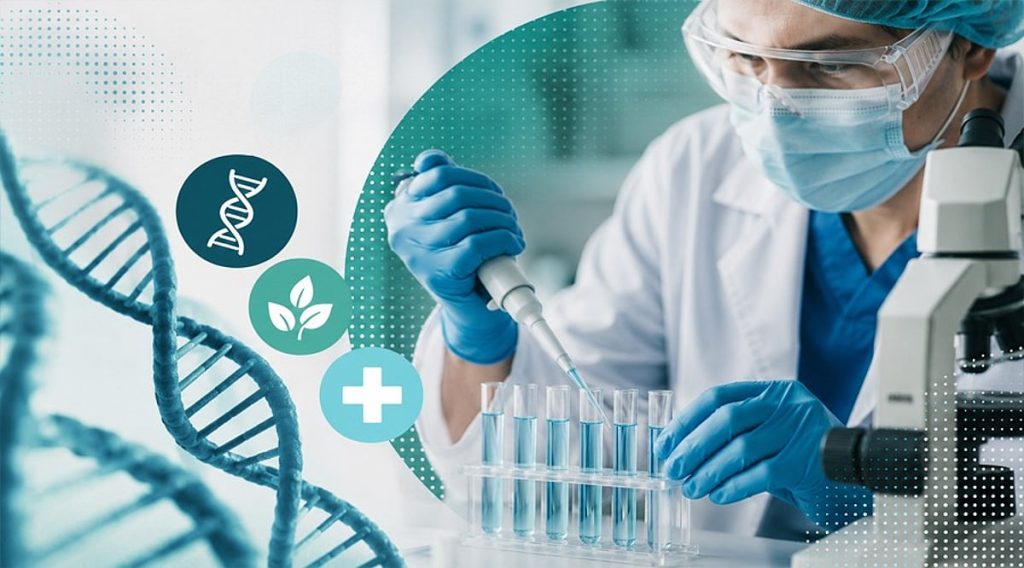
Biotechnology has traditionally been a field that demands patience. Experiments often require repeated manual steps, careful sample preparation, and long periods of data collection before meaningful conclusions can be drawn.
That is beginning to change. Laboratory automation is helping research teams process larger data sets, run more experiments, and reduce human variability across critical workflows. Automated liquid handling systems, robotic sample processing, high-throughput screening, and AI-assisted analytics are giving researchers tools that allow them to move faster without compromising scientific rigor.
That speed matters for more than convenience. In biotechnology, moving six months faster can influence fundraising opportunities, intellectual property strategy, partnership negotiations, and regulatory planning. A company that validates a hypothesis earlier may gain access to strategic capital or market opportunities that would otherwise go to a competitor.
Automation is also changing who can compete. Smaller research teams now have access to capabilities that once required large pharmaceutical budgets, which is opening the door for innovation to come from a much broader range of organizations.