
Published on
June 29, 2026

Image generated with Ai
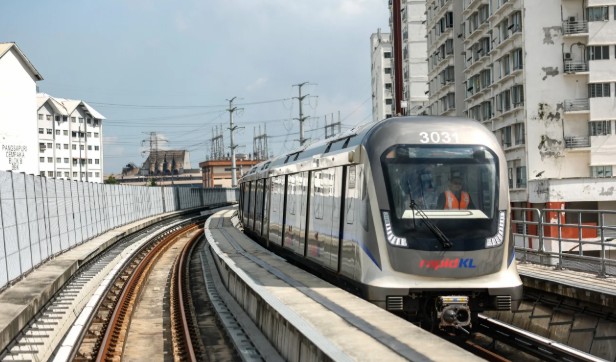
A significant transformation in urban rail infrastructure has been advanced as the LRT Shah Alam Line expansion, new train sets Malaysia, Klang Valley rail connectivity, transit-oriented development (TOD), and public transport capacity growth have been positioned at the centre of Malaysia’s long-term mobility strategy. The expansion has been designed to strengthen connectivity, increase passenger capacity, and support growing ridership demand across the Klang Valley region.
The project has been officially expanded with the addition of seven new train sets and five new stations. This development has been introduced following approval from the Finance Ministry, marking a renewed phase of infrastructure investment aimed at improving public transport efficiency and accessibility.
Construction of the five new stations has been scheduled to begin in the fourth quarter of the year, reflecting renewed momentum in the long-delayed rail project. The expansion has been positioned as a key step toward enhancing the role of rail transport as a primary mobility option for urban residents.
New stations planned to strengthen connectivity across key growth corridors
The expansion of the Shah Alam Line has included the addition of five strategically located stations identified as Tropicana, Raja Muda, Temasya, Bukit Raja, and Bandar Botanik. These stations have been selected to improve accessibility across high-density residential and commercial zones within the Klang Valley.
By integrating these new stations into the existing 37.8km route, which already comprises 20 stations, improved connectivity has been expected across suburban and urban districts. Enhanced access to rail infrastructure has been positioned as a central factor in reducing traffic congestion and promoting sustainable urban mobility.
The expanded network has been designed to support increased commuter flow and improve last-mile connectivity, ensuring that public transport becomes a more practical option for daily travel across the region.
Advertisement
Advertisement
Capacity expansion aligned with rising ridership projections
The Shah Alam Line has been operating with 22 train sets, with each train designed to accommodate up to 624 passengers. With current service intervals set at eight minutes during peak hours and ten minutes during off-peak periods, capacity constraints have been carefully monitored in line with rising demand.
With the introduction of additional train sets, service frequency is expected to improve further, reducing waiting times and enhancing commuter convenience. The expected average daily ridership has been projected at 60,000 passengers in the first year of operations, reflecting strong demand potential across the network.
As demand continues to increase, further capacity enhancements have been planned to ensure that operational efficiency is maintained while service reliability is strengthened. The expansion has been structured to accommodate long-term urban growth trends within the Klang Valley.
Transit-oriented development strategy integrated with rail expansion
A major policy direction has been reinforced through the promotion of transit-oriented development (TOD), affordable housing near LRT stations, rail infrastructure investment Malaysia, and urban redevelopment around transport hubs. Rail infrastructure has been positioned as a strategic investment that must be integrated with surrounding land development.
Authorities have emphasised that land surrounding rail stations should not remain underutilised and must be developed in tandem with transport infrastructure. This approach has been designed to maximise economic returns while encouraging residents to live closer to public transport networks.
The development of TOD projects has been planned through partnerships between Prasarana and private developers, ensuring that government-owned land is utilised efficiently while maintaining affordability objectives for residential housing.
Advertisement
Advertisement
Sri Andalas identified as key redevelopment opportunity
The Sri Andalas station area has been highlighted as a major example of underutilised transport-adjacent land. A large 500-bay park-and-ride facility currently occupies significant space that has been identified as having strong potential for mixed-use and affordable housing development.
Redevelopment of such sites has been positioned as a method of generating returns for transport operators while simultaneously supporting urban growth and improving residential access to rail services.
Similar opportunities have been identified at Kayu Ara, Johan Setia, and Bandar Bukit Tinggi, where large surface-level parking infrastructure exists. These sites have been evaluated for transformation into integrated developments incorporating residential, commercial, and transport-linked facilities.
Policy direction focused on sustainable urban mobility
A long-term policy direction has been reinforced to encourage Klang Valley residents to reside near transport hubs, thereby increasing reliance on rail-based commuting. This strategy has been designed to reduce traffic congestion, improve environmental outcomes, and enhance urban liveability.
By integrating housing development with transport infrastructure, a more efficient land-use model has been promoted. The approach has also been structured to ensure that public investment in rail infrastructure generates broader socio-economic returns.
Through this model, rail transport has been positioned not only as a mobility solution but also as a catalyst for urban regeneration and sustainable city planning.
Advertisement
Advertisement
Public-private partnerships strengthen development framework
The implementation of transit-oriented developments has been structured through partnerships between government-linked transport operators and private sector developers. This model has been designed to ensure financial viability while maintaining affordability targets for residential projects.
It has been confirmed that these developments will not be directly executed by the government. Instead, collaboration with private developers has been prioritised to ensure efficiency, innovation, and market responsiveness.
Efforts have also been directed toward maintaining affordable pricing structures so that more residents can access housing near rail corridors. This approach has been aligned with broader national objectives of inclusive urban development.
Advertisement
Advertisement
