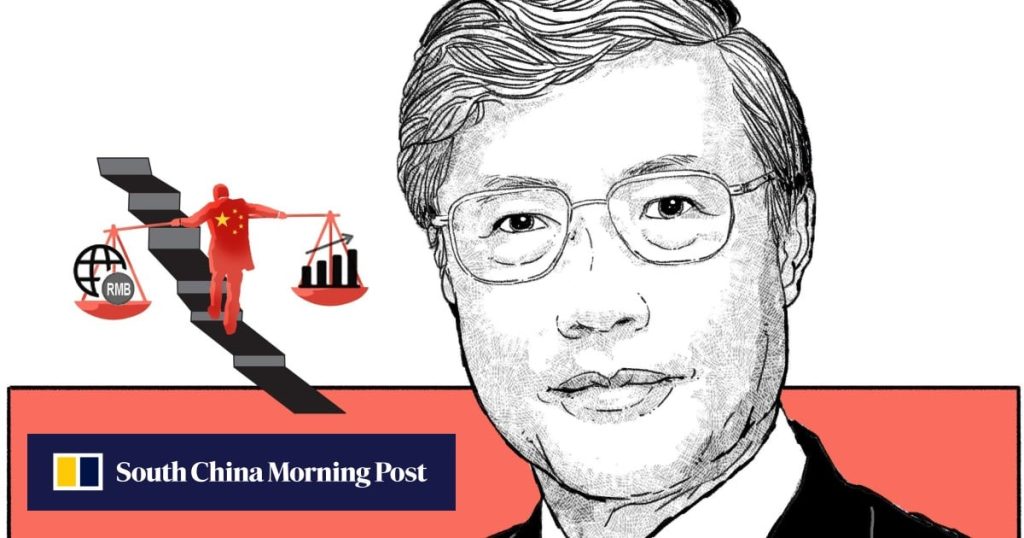
Nomura Research Institute chief economist Richard Koo is well-known for his “balance sheet recession” interpretation of Japan’s economic downfall in the 1990s. In his second Open Questions interview, Koo assesses the risks the Chinese economy is facing this year and beyond, the many parallels between Beijing and Tokyo, and why market size and technology alone may not be enough to help avert a fate similar to Japan’s.
Koo also explains why giving China’s consumers money will not help and why complacency in the face of energy supply and economic disruptions from the conflict in the Middle East is a cause for concern.
This interview first appeared in SCMP Plus. For other interviews in the Open Questions series, click here.
China’s gross domestic product growth hit 5 per cent last year and in the first quarter of this year, but growth seems to have cooled since April. Do you think the risks of a balance sheet recession are lower or still heightened? Is China in or out of a possible Japanification spiral?
When you hear about so many difficulties Chinese companies are having, this 5 per cent number seems very optimistic.
Maybe if you just look at the production side, there is 5 per cent growth, but for GDP you have to view both sides: production and expenditure. We don’t have enough expenditure and consumption.
As for whether China is coming out of Japanification problems, one thing I watch carefully is the 10-year government bond yield in China, which is about 1.7 to 1.8 per cent. That’s a ridiculously low rate for a country which supposedly has plenty of domestic investment opportunities.
Source link