
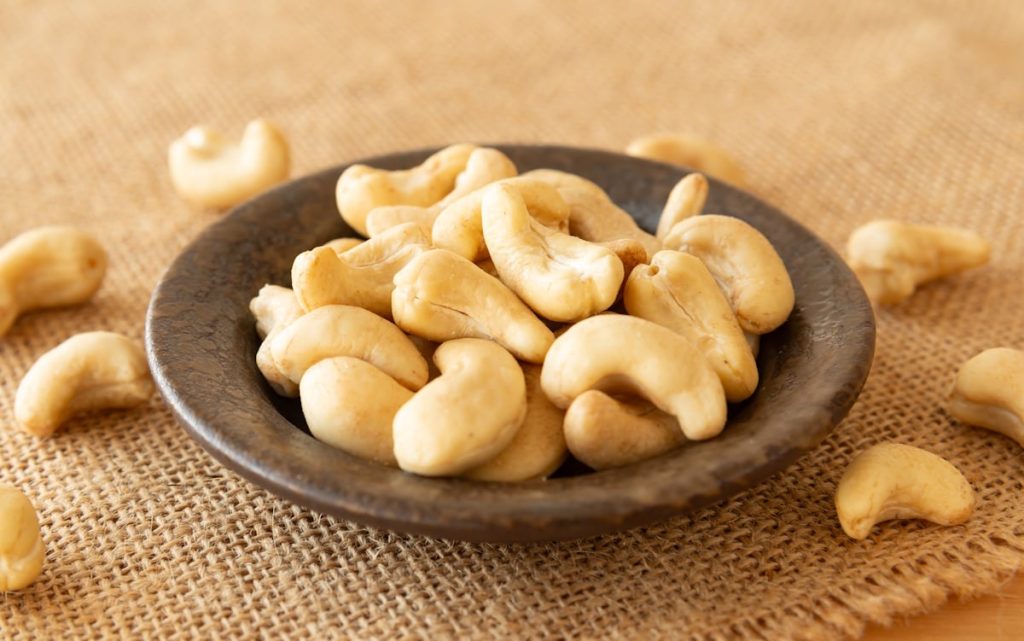
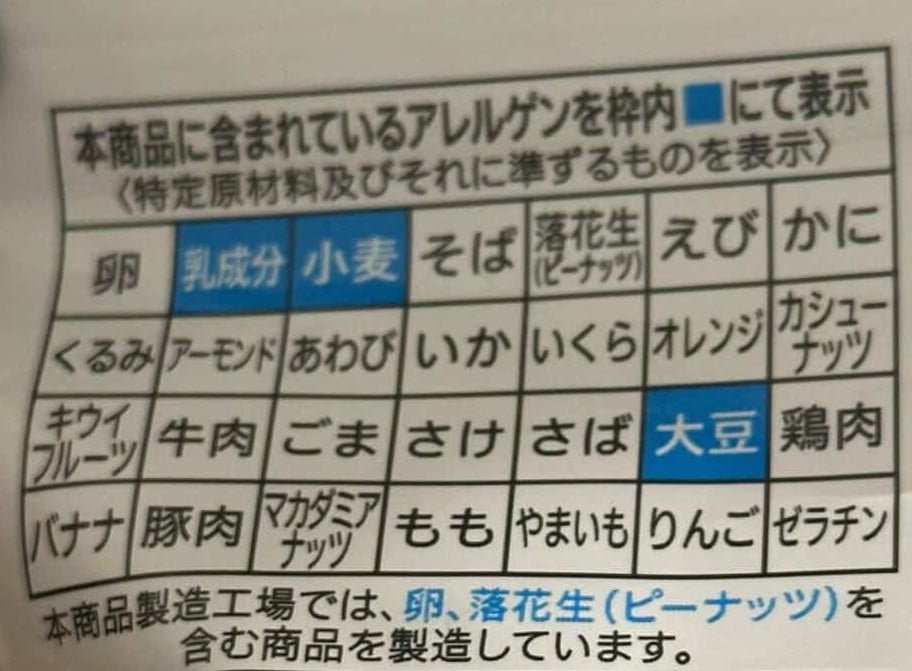
Allergy sufferers, rejoice. On April 1, 2026, Japan’s Consumer Affairs Agency began to require cashew nut allergy labeling.
Cashew nuts join wheat, shrimp, eggs, and other high-risk allergens subject to mandatory labeling. The Agency’s change kicks up the number of ingredients that require labeling from 8 to 9.
The X-sphere took to celebrating the change. This is also good news for foreign tourists, as it’ll make it easier for those who suffer from nut allergies to identify the contaminants on their next trip to the combini.
While largely supportive, many social media users expressed a common question: what took so long?
The mandate to require allergen labeling for cashew nuts – with other tree nuts like pistachio on the recommended list – reflects a dramatic shift in Japan’s dietary trends within the last decade.
Couldn’t care less for cashews
As it stands, Japan doesn’t rank high in global cashew consumption. Originally native to Brazil, cashews are most popular in India, the United States, and Germany, according to a 2021 United Nations Trade & Development report. Cashew allergies peak in the United States, accounting for 15-30% of all tree nut allergies in the country, along with walnuts.
Historically, cashew allergies were rare in Japan. In the 10 years between 1997 and 2006, only 5 cases of allergic reactions to cashews were recorded in the country. Despite its infrequency, researchers in the previous decade already raised alarm bells: diversifying diets may pose a higher risk of severe clinical reactions. Cashews are more likely to cause anaphylaxis than peanuts, blocking breathing and rapidly dropping blood pressure.
Catching the cashew craze
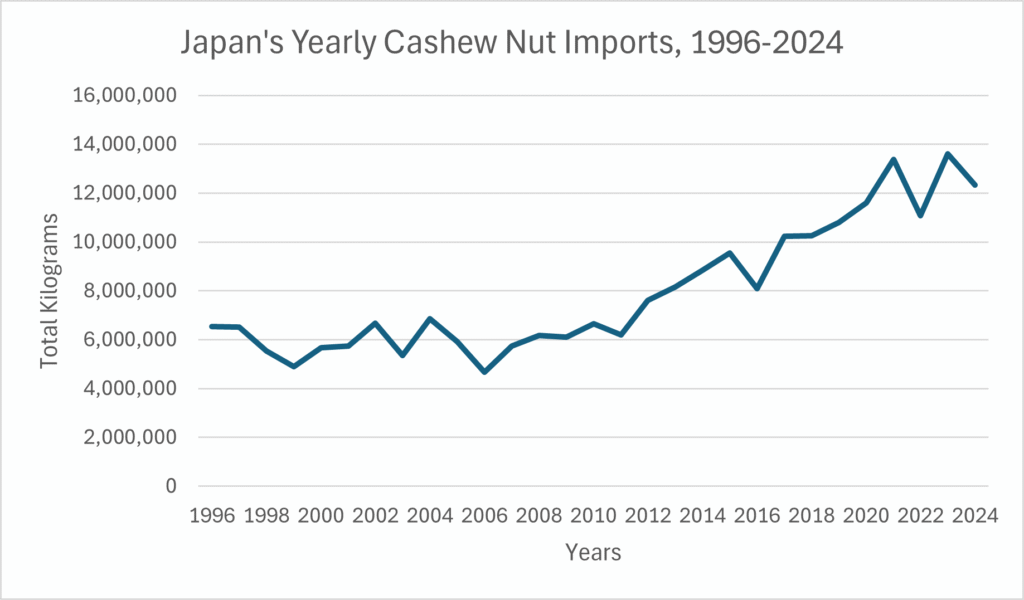
The years after 2006 saw a substantial increase in the number of cashews imported into Japan. Based on figures from the Japan Import Statistics for Edible Tree Nuts, cashew imports rose by 74% in kilograms between 2006 and 2016. Then, from 2016 to 2024, the latest available annual data, cashew imports rose by another 52%.
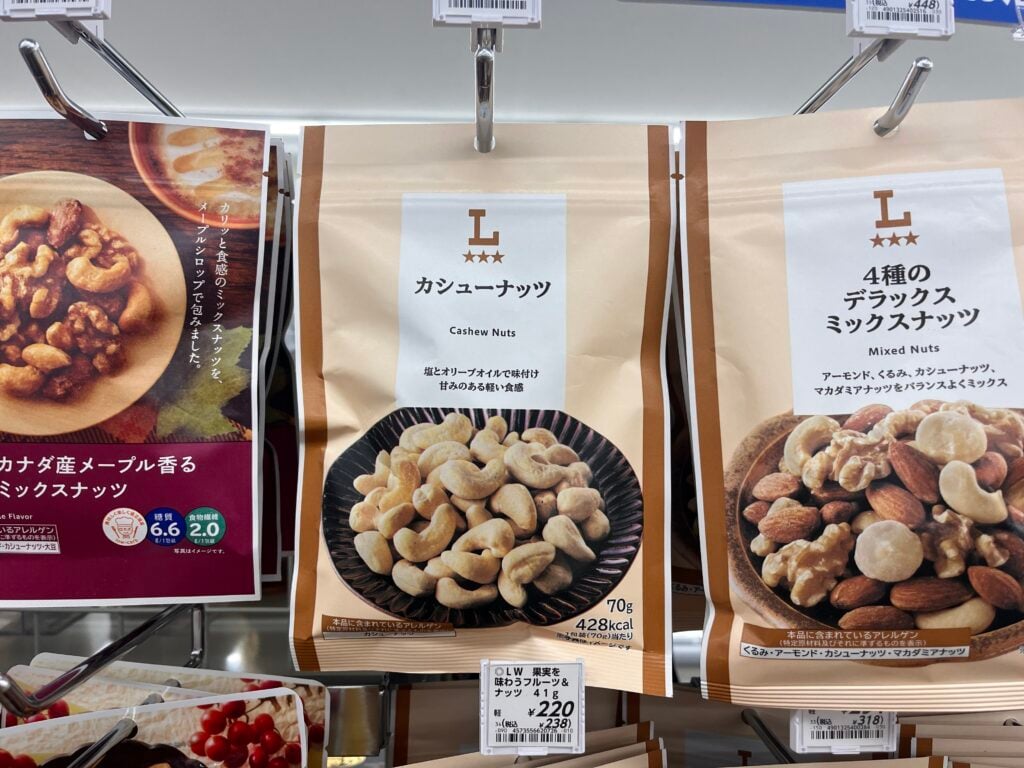
In 2024, most of the cashews imported to Japan came from Vietnam, India, and Cambodia. The upward trend is expected to rise even more as businesses bolster their ties with South and Southeast Asian partners. Last year, Cambodia’s Minister of Commerce met with representatives of Japanese retail giants to announce the entry of Cambodian cashew nuts into 16,000+ Family Mart convenience stores. ITOCHU – Family Mart’s parent company – expressed keen commitment to continuing its strategic partnerships across Asia.
The rise of the cashew can be attributed to health-conscious trends. Since the 2000s, specialty supermarkets such as Natural Lawson and Bio c’Bon have introduced a plethora of products containing cashews for their organic-minded customers.
Conundrums from cashews for locals (and tourists)
Now, the prevalence of cashews poses new challenges. NHK reports that nut allergies overtook milk and egg allergies in Japan. But what exactly is the extent of the heightened risk for allergies?
A recent wave of research explores ways to pin down allergy metrics for tree nuts in Japan. From preschoolers to patients, scientists are determining the quantity of allergens needed to trigger an allergic reaction, allergic conditions, and even how quickly immunity can be developed. Although well-studied in the West, food challenges related to cashews, peanuts, walnuts, and the like are understudied for Asian populations in general.
“Noah [at Unseen Japan] put together an itinerary that didn’t lock us in and we could travel at our own pace. In Tokyo, he guided us personally on a walking tour. Overall, he made our Japan trip an experience not to forget.” – Kate and Simon S., Australia

As diets shift, habits and allergen exposure become unique to different countries and cultural contexts. One study published in 2025 found that the dosage needed to trigger reactions to Japanese tree-nut allergic populations is diverging from those reported in the West.
Corporations like airline companies are also adjusting to the brave new world of new allergies. Although cashew products now require allergen labeling, Japanese airlines still lack regulatory standards on how to accommodate passengers with high sensitivities or severe allergies.
There are also implications for Japan’s growing tourism industry. The country saw 40 million tourists last year – and is targeting 60 million by the 2030s. With more tourists coming from the West, the number of people navigating nut allergies while eating out is bound to climb. (Unseen Japan has seen this trend first-hand in its tours business.)
Businesses have until March 31, 2028, to add or edit the new information to their food products. While mandatory labeling ensures consumers have access to transparent information, stricter food labeling requirements can increase operational costs for food producers, manufacturers, and retailers.
The price of adhering to the revised standards is still unknown, especially for small businesses. Aside from revamping labels, companies must also re-evaluate hygiene controls and production processes to prevent cross-contamination, among other considerations.
As the world continues to globalize, Japan must grapple with its changing diet and its trail mix of health and economic implications.
Sources
アレルギー表示義務、カシューナッツを追加 消費者庁 日本経済新聞
Cambodian Cashew Nuts Hit 16,000+ Family Mart Stores in Japan as Mirath Expands Processing Footprint Kampuchea Thmey Daily
Cashew Nuts Science Direct
Cashew nut causes more severe reactions than peanuts: case-matched comparison in 141 children Wiley Online Library
Clinical Feature of Four Cases with Cashew Nut Allergy and Cross-Reactivity between Cashew Nut and Pistachio Allergology International
Japan Cashew nuts, fresh or dried imports by country in 2024 WITS
Japan to require food labels to include cashews amid rising nut allergies Mainichi Japan
Manifestation of Cashew Allergy: Prevalence, Symptoms, Treatment Medical Sciences
Nut allergies on the rise in Japan NHK
Prevalence and Risk Factors for Walnut and Cashew Nut Sensitization in Preschool Children with Food Allergies in Japan International Archives of Allergy and Immunology
The impact of food labeling laws on consumer health and industry practices Allied Academies
Trends over a decade in the prevalence and eliciting dose of peanut and tree nut allergies in Japan Journal of Allergy and Clinical Immunology: Global