
BEIJING— Rejecting what he called the “romantic” approach of dismantling fossil fuel infrastructure before viable alternatives are in place, a leading Chinese economist on Friday said China is pursuing a more pragmatic path to green development by building renewable energy capacity first while safeguarding economic growth and energy security, writes Winston Mwale.
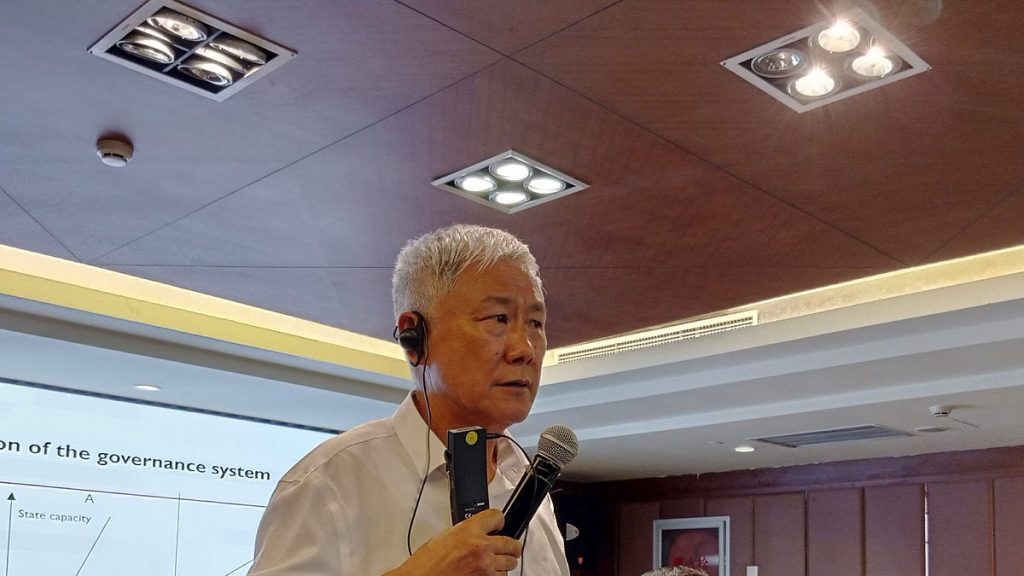
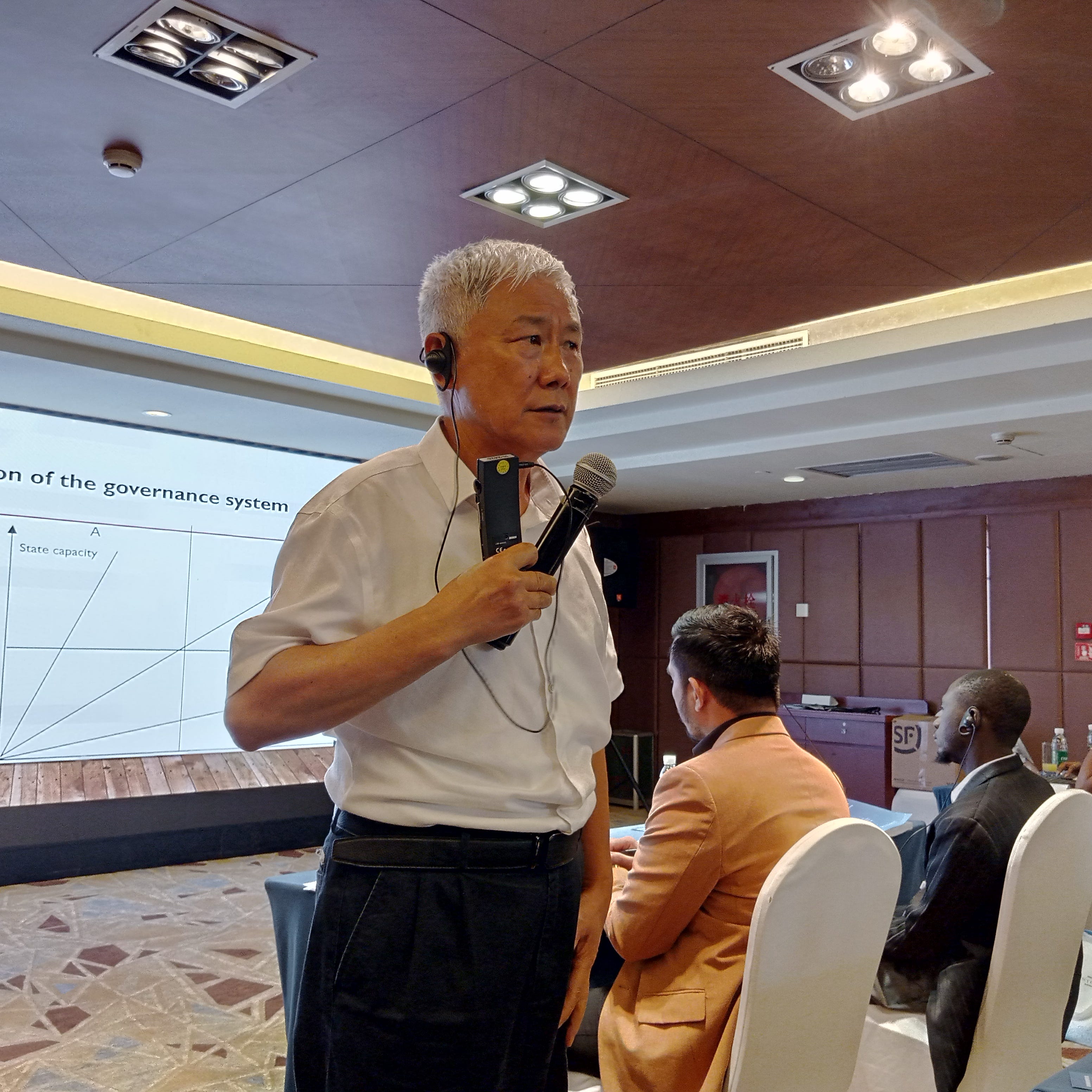
Speaking during a session on “China’s High-Quality Economic Development and the Outlook for Global Development” at the Global Development Initiative event, Zhang Yansheng, a researcher at the Academy of Macroeconomic Research, said China’s environmental strategy is guided by what he described as “realism” rather than idealism.
“There are two approaches,” Zhang said. “One is called romanticism — first break, then build. The other is called realism — first build, then break.”
He argued that countries pursuing carbon reduction must first establish sufficient clean energy infrastructure before retiring conventional energy sources.
“If you cannot develop new energy, you cannot manage the development of the old industrial system because people’s lives cannot be possible without electricity,” Zhang said.
He warned that abandoning fossil fuels too rapidly without reliable alternatives could expose countries to energy shortages, particularly during periods of geopolitical uncertainty.
“If the world runs out of oil, where do we get power?” he asked.
Zhang said China’s approach has been to expand renewable energy while ensuring a stable electricity supply, allowing the country to pursue environmental goals without undermining economic development.
Presentation materials shared during the conference showed China has built a complete new-energy industrial chain spanning upstream mineral resources, batteries, electric motors and electric vehicles, with production and sales projected to exceed 16 million units in 2025.
The presentation said China has rejected the traditional “pollute first, clean later” model in favor of sustainable development suited to its large population.
Environmental indicators presented during the session showed that from 2015 to 2024, average PM2.5 concentrations in major Chinese cities fell by more than one-third, forest coverage exceeded 25%, and more than 90% of the country’s surface water reached good quality standards for the first time.
Zhang also highlighted China’s conservation efforts along the Yangtze and Yellow rivers, saying environmental protection has become central to the country’s development strategy.
“The government’s mission is not to engage in large-scale development,” he said. “It is large-scale protection.”
According to the presentation, the Yangtze River has maintained Class II water quality for five consecutive years while ecological functions and navigation capacity have improved.
The Yellow River has also maintained Class II water quality for three years alongside accelerated ecological restoration and industrial upgrading.
The presentation described both river basins as strategic pillars of China’s green and high-quality development agenda.
Zhang said green development should not be viewed as a barrier to economic progress but as the foundation for long-term prosperity.
“If you want to develop the economy,” he said, “you have to develop the green economy.”
Despite growing geopolitical uncertainty, Zhang reaffirmed China’s commitment to international engagement, saying openness remains one of the country’s defining development principles.
“China says that opening up is the reason for China’s development,” Zhang said. “No matter what the world is like, China is open.”