
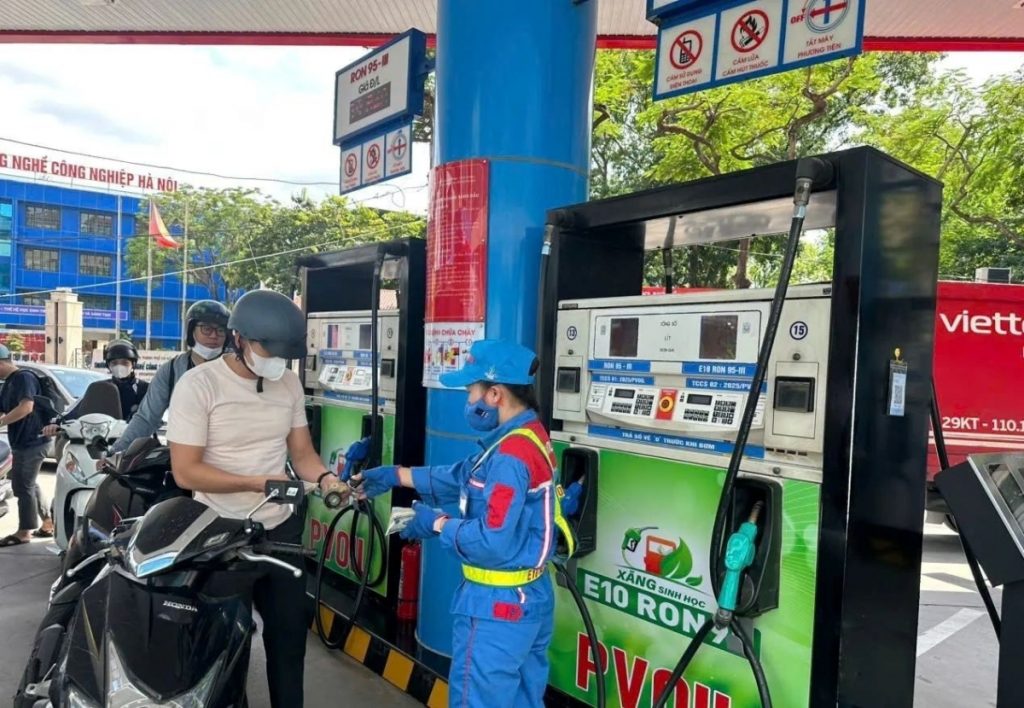
The National Assembly has unanimously approved sweeping tax cuts on petrol, oil and aviation fuel, reducing key rates to zero through June 30 in a bid to cushion domestic markets against volatile global energy prices.
On April 12, with 100 per cent of attending deputies voting in favour, the National Assembly (NA) adopted a resolution introducing a number of provisions on environmental protection tax, VAT, and special consumption tax (SCT) applicable to petrol, oil products, and aviation fuel.
Under the resolution, the environmental protection tax on petrol (excluding ethanol), diesel, kerosene, mazut, and aviation fuel is set at VND0 per litre. The SCT rate on all types of petrol is also zero per cent.
Petrol, diesel, kerosene, mazut, and aviation fuel are not subject to VAT declaration and payment; however, input VAT remains creditable. The resolution takes effect from April 16 through the end of June 30.
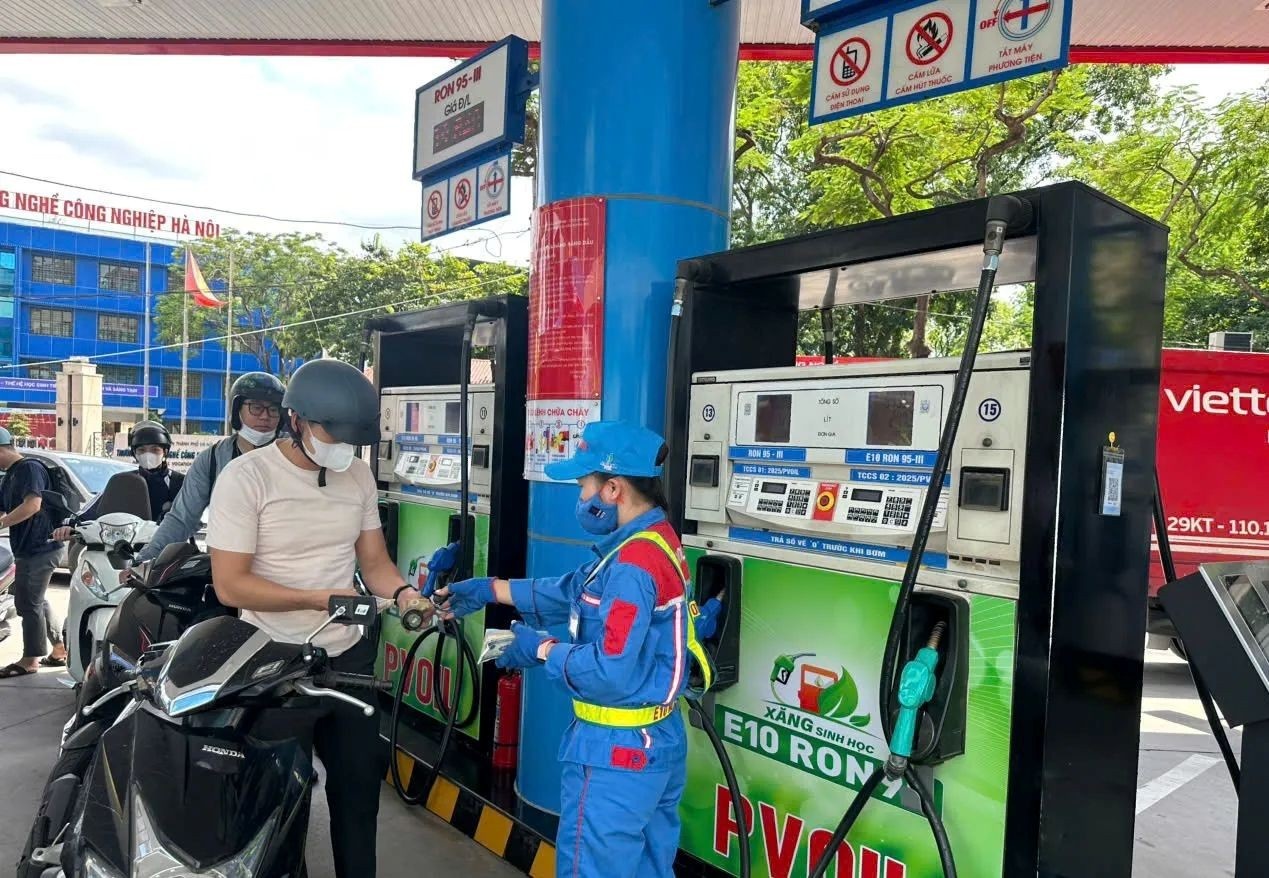 |
| Lawmakers back zero tax rates on fuel through June 30 |
In addition, to ensure that the domestic petrol, oil, and aviation fuel market is managed in line with global price developments, the NA has authorised the government to issue a resolution to adjust – either shorten or extend – the effective period of this measure.
In urgent cases, the government may also adjust provisions on environmental protection tax, VAT, and SCT as stipulated in this resolution, and will report such actions to the NA at its nearest session.
During the period this resolution is in force, in the event of any discrepancies between its provisions and those of other legal documents concerning environmental protection tax, VAT, and SCT, the provisions of this resolution shall prevail.
Businesses and importers of petrol, diesel, kerosene, mazut, and aviation fuel are not required to declare or pay VAT at the point of sale or importation.
Any matters related to environmental protection tax, VAT, and SCT not specified in this resolution shall be governed by the prevailing laws on taxation, tax administration, and other relevant legal regulations.
Before the vote, Minister of Finance Ngo Van Tuan presented a report to the NA on the reception, explanation, and revision of the draft resolution.
According to Minister Tuan, based on the conclusions of the NA Standing Committee, the appraisal opinions of the NA Committee for Economic and Financial Affairs, and feedback from deputies, the government had conducted a comprehensive review, incorporated feedback to the fullest extent, provided thorough explanations, and finalised the draft resolution in a report submitted to lawmakers.
“At the same time, the government instructed the drafting body to coordinate with the Ministry of Justice and relevant committees of the National Assembly to review and refine the draft on technical grounds, ensuring full compliance with existing procedures, before submitting it to the National Assembly for approval,” Minister Tuan said.
 |
MoF proposes 20 per cent tax on unlisted securities transfers
The Ministry of Finance (MoF) has proposed a 20 per cent tax on income derived from capital transfers, including transactions involving unlisted securities. |
 |
Banks brace for major leadership reshuffle amid strategic reset
The local banking sector is entering a pivotal shareholder meeting season, marked by sweeping leadership reshuffles, governance reforms, and renewed strategic priorities following years of restructuring and balance sheet clean-up. |
 |
Tax authority flags 302 companies with prolonged losses for inspection
Vietnam’s tax authority has identified 302 enterprises showing signs of prolonged losses and thin margins for targeted inspection, as part of efforts to strengthen oversight and safeguard state revenues. |