
Subscribe to our FREE Newsletter, or Telegram and WhatsApp channels for the latest stories and updates.
After more than three decades in Malaysia, two ethnic Rohingya women have resettled in the United States, saying they left in search of better opportunities — particularly education for their children.
Amirah Anisah Samad, 35, moved to Chicago just over a month ago with her husband and four children, aged between 11 and 17.
Her story drew attention online after she shared her journey on TikTok.
Born in Kelantan, Amirah grew up there until age 17, then moved to Penang, where she lived until last month.
She said life in Malaysia had been peaceful, with friendly neighbours and the freedom to move around.
However, as a refugee holding a United Nations High Commissioner for Refugees (UNHCR) card, she said she was unable to pursue formal education or access certain privileges.
Amirah, a former seven-year interpreter whose family first applied for third-country resettlement in 2013, said she understood and respected Malaysian law.
@amiraanesa22 Allhamdulillah,,doaku agar sahabat dn suadaraku rohingya di permudahkan urusan dunia dn akhirat..amiin#rohingyarefugees #humanity #tqmalaysia🇲🇾 #tqusa🇺🇸#fypシ゚viral ♬ AlHijratu – Mohamed Youssef
From Application To Arrival
The application was accepted in 2016, after which they went through three interview sessions, including one with US immigration officials.
The family also underwent medical checks and attended a course on boarding a plane before departing.
Amirah said one of her main concerns was adapting to life in a country where Muslims are not the majority.
She said the family was warmly received, with 12 people greeting them with banners and flowers on arrival.
It took her about 10 days to adjust, partly due to changes in her sleep patterns.
She and her husband planned to raise their children in the US and ensure they received a proper education.
From Kuala Besut to the US
Maira Zara Mohd, 30, an ethnic Rohingya born in Terengganu and raised in Kuala Besut, moved to the US on 17 October last year, following her parents and four siblings who had resettled there.
Now in her seventh month, she said she had grown accustomed to her new surroundings, having decided to move in part to be closer to the UNHCR office.
Despite her refugee status, she said she had never felt sidelined in Malaysia, where kind neighbours regularly invited her to community gatherings.
In the US, local residents have treated her well, her children have settled into school, and her husband works in the packaging section of a pizza manufacturing plant.
The couple now hope to buy a house and a car as they build their new life.
Refuge, But Not Relief
As of February 2026, around 126,144 Rohingya refugees are registered with UNHCR in Malaysia, though the actual number could be as high as 200,000 when unregistered individuals are counted.
Life here is far from easy for them — they face the risk of detention, have little access to basic rights, and a new registration system launched in January 2026 has raised fresh concerns over their safety and privacy.
While many Malaysians once sympathised with the Rohingya due to shared faith and the crisis in Myanmar, a mix of economic pressures, exhaustion, and the spread of misinformation has caused public opinion to sour for many.
In recent years, there has been an increase in anti-Rohingya sentiment among some Malaysians, partly due to misunderstandings and mistaken identities of Rohingya refugees with Bangladeshi migrants.
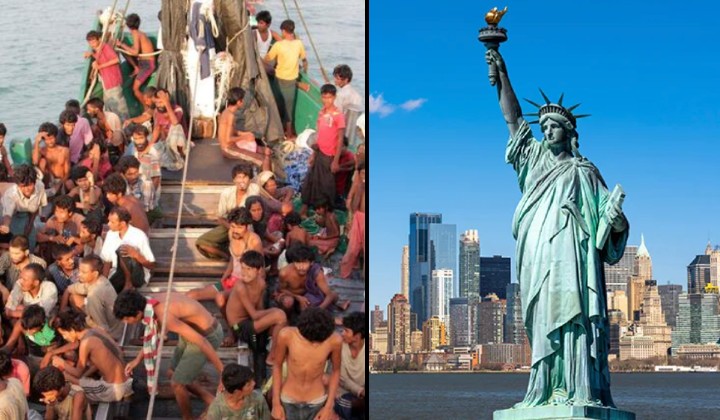
The Rohingya are a Muslim minority group from Myanmar who have faced persecution and violence, leading many to brave dangerous sea crossings in search of safety.
Parts of this story have been sourced from Harian Metro.
Share your thoughts with us via TRP’s Facebook, Twitter, Instagram, or Threads.