
The UAE is marking the 15th anniversary of a milestone moment in its cultural journey – when Al Ain became the nation’s first Unesco World Heritage site.
Several sites of historic significance in the Garden City were collectively inscribed in the prestigious list by the UN agency on June 27, 2011.
The global recognition highlighted that while the Emirates remains a fairly young country, it is home to culture and heritage dating back thousands of years.
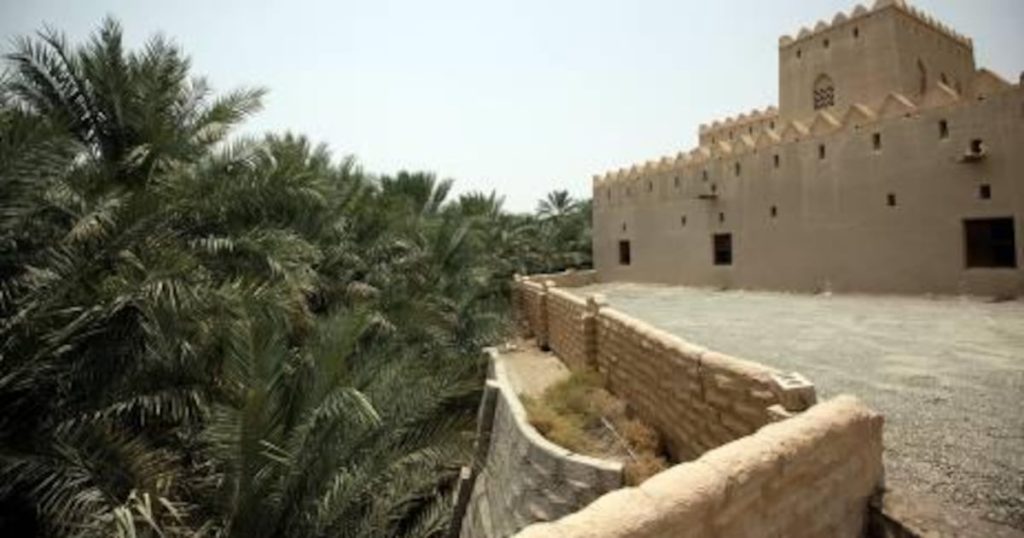
The Cultural Sites of Al Ain consist of Hafeet, Hili, Bidaa Bint Saud and the Oases areas, featuring tombs from the Bronze Age and complex ancient irrigation systems that supplied the oasis city.
Al Ain has been inhabited since the Neolithic era and has remnants of several prehistoric cultures dating from the Bronze Age and Iron Age. The sites inscribed on the Unesco list provide “testimony to ancient sedentary human occupation in a desert region”, the agency said.
Among the areas listed is Jebel Hafeet Tombs. The dome-shaped tombs are 5,000 years old and mark the beginning of the Bronze Age in the UAE.
Another entry on the Unesco list is the Hili Archaeological Site, which shows the earliest evidence of an agricultural village in the UAE, dating back to 2,500BC. The site includes the ancient irrigation system known as al falaj.
The Faya palaeolandscape in Sharjah last year became the second site in the UAE to earn Unesco World Heritage status.
The ancient desert location in central Sharjah has one of the world’s oldest and most uninterrupted records of early human presence, dating back more than 210,000 years.
Al Ain’s culture sites and Faya are in elite company, being part of a list that includes renowned landmarks such as Egypt’s pyramids, India’s Taj Mahal and the Great Wall of China.