
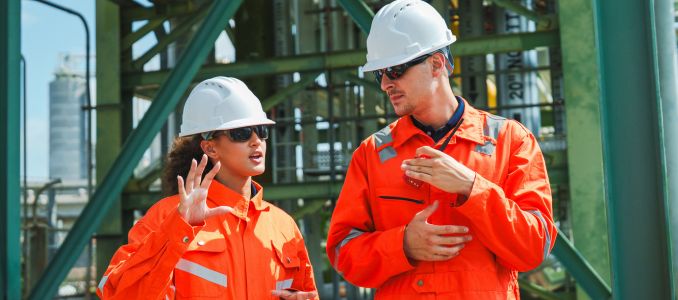

Why Required PPE Still Isn’t Being Worn On Oil & Gas Sites
Real-world barriers such as heat, poor fit, and fatigue can undermine even the strongest PPE programs
In the oil and gas industry, PPE often serves as the first line of defense against some of the most serious hazards, including moving machinery, slips and falls, and exposure to toxic chemicals. Even though safety regulations and programs are in place, workers are not always compliant with PPE requirements on many job sites.
This disconnect raises an important question: if workers know the risks of not wearing PPE and employers require it, why is the gear not worn consistently?
The answer is often more complex than most might think. Although there is an enforcement component to PPE compliance, an increasing number of companies have learned that worker behavior has as much to do with the success of their PPE programs as safety regulations and policies do.
The Compliance Challenge
While many organizations have made great progress by formalizing safety programs, instituting mandatory PPE practices, and performing extensive training for their employees, safety professionals often run into a serious problem: an employee may have their PPE in place during inspections or other high-visibility activities, but they will remove it or modify it for comfort during a long shift or in adverse environmental conditions.
This presents an immense issue that must be addressed. Unfortunately, the oil and gas industry sees some of the highest injury rates on job sites across the country. In fact, a CDC analysis of OSHA’s Severe Injury Reporting data showed that there were over 2,100 severe injuries resulting in hospitalization, amputation, or loss of an eye among oil and gas extraction workers between 2015 and 2022.
Why Workers Are Not Wearing PPE
Several factors contribute to inconsistent PPE use on oil and gas sites:
Heat Stress and Environmental Conditions
- Workers in the oil and gas industry endure extreme hot and cold temperatures while performing their work. In the hot summer months, the wrong gear can cause heat stress, reduce airflow, or lead to fatigue.
- Small comfort issues may seem minor at first, but can become increasingly pronounced over the course of a 10- to 12-hour shift as the temperature continues to rise. Unsurprisingly, workers will then take steps to alleviate their discomfort by adjusting the equipment to improve ventilation or removing it to remain comfortable and productive.