
Close Menu
Simply Invest Asia
  • Home
  • About us
  • Explore industries/sectors
    • Automobile
    • Aviation
    • Banking
    • Biotechnology
    • Chemical & Fertilizer
    • Entertainment and Media
    • Food Processing
    • Healthcare
    • Iron and Steel
    • Leather
    • Mining
    • Oil and Gas
    • Pharmaceutical
  • Explore by countries
    • China
    • Dubai / UAE
    • Hong Kong
    • India
    • Indonesia
    • Japan
    • Malaysia
  • Explore cities
    • Bangkok
    • Beijing
    • Chongqing
    • Delhi
    • Dubai
    • Guangzhou
    • Jakarta
    • Kuala Lumpur
  • Why Asia
Facebook X (Twitter) Instagram Threads
Trending:
  • Dubai Luxury Hotels Turn to Residents as War Keeps Tourists Away
  • Viral India political party sparks large-scale youth protest against education minister – JURIST
  • India, Indonesia Deepen Strategic Cooperation in Defence, Trade and Maritime Sectors – The Indian Awaaz
  • China’s rare-earth exports to Japan drop 80%, sending companies scrambling
  • Emirates employee helped crime family smuggle £30million cash to Dubai – Yahoo News UK
  • India, Indonesia discuss PM Modi’s Jakarta visit, deepen cooperation in defence, maritime security | India News
  • Katie Holmes Doubles Up on Silk Gowns and High-Vamp Heels
  • Race Result | 07 Jun 2026 | Sha Tin | Race 1 HKU FACULTIES OF ARTS AND EDUCATION HANDICAP | HK Racing
  • Author of Home Office report on China reveals attempts to compromise him | UK news
  • Qingzhou Smile: Miracle that rewrites art history comes to Guangzhou
  • Saudi Arabia Concludes Participation at Kuala Lumpur International Book Fair
  • Processing mechanisms key to food security in South Asia
  • U.S. steel import permit applications rise 0.7% in May
  • Drone Attack on Barakah Nuclear Power Plant, UAE Urges World to Act
  • Sudden storm: 3 Air India aircraft damaged at IGIA by ground equipments
  • Singapore’s Wee Hur Enters Hong Kong Student Housing
  • China’s renewable push is about energy security
  • OMAN vs MLY, 3rd Place, Asian Games Men's T20I Qualifier, 2026 – Commentary – Cricbuzz
Sunday, June 7
Facebook X (Twitter) Instagram
Simply Invest Asia
  • Home
  • About us
  • Explore industries/sectors
    • Automobile
    • Aviation
    • Banking
    • Biotechnology
    • Chemical & Fertilizer
    • Entertainment and Media
    • Food Processing
    • Healthcare
    • Iron and Steel
    • Leather
    • Mining
    • Oil and Gas
    • Pharmaceutical
  • Explore by countries
    • China
    • Dubai / UAE
    • Hong Kong
    • India
    • Indonesia
    • Japan
    • Malaysia
  • Explore cities
    • Bangkok
    • Beijing
    • Chongqing
    • Delhi
    • Dubai
    • Guangzhou
    • Jakarta
    • Kuala Lumpur
  • Why Asia
Simply Invest Asia
Home»Explore industries/sectors»Food Processing»Processing mechanisms key to food security in South Asia
Food Processing

Processing mechanisms key to food security in South Asia

By IslaJune 7, 20264 Mins Read
Share
Facebook Twitter Pinterest Threads Bluesky Copy Link


South Asia stands at a remarkable agricultural advantage, blessed with deep agro-biodiversity, a vast production base, and the capacity to grow an extraordinary range of food for the world. The region’s farms are a foundation of immense strength, producing at scale and feeding hundreds of millions. The opportunity ahead is to build on this foundation: to close the distance between what the region grows and what it processes, turning that agricultural abundance into greater income, nutrition, and prosperity for all.

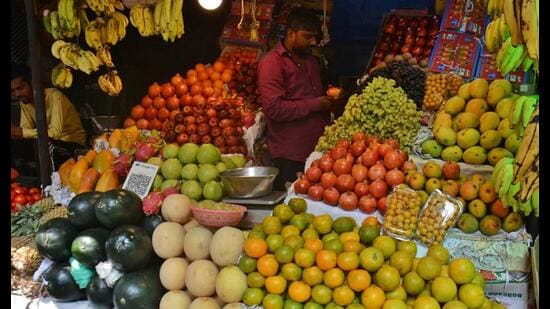
According to the FAO, India is among the world’s largest producers of milk, pulses, fruits and vegetables. This production record has changed the country’s food-security horizon. The next question, for India and for the region, is how to retain more value from what is already grown. (Praful Gangurde/HT Photo)

India’s own journey shows what this shift means. Foodgrain output rose from about 51 million tonnes in 1950-51 to over 330 million tonnes in recent years. According to the FAO, India is among the world’s largest producers of milk, pulses, fruits and vegetables. This production record has changed the country’s food-security horizon. The next question, for India and for the region, is how to retain more value from what is already grown.

To address this question, the ministry of food processing industries is co-hosting the South Asian Policy Leadership for Improved Nutrition and Growth (SAPLING) High-Level Policy Dialogue in Ahmedabad on 9-10 June. Led by the World Bank Group in partnership with the Gates Foundation, SAPLING brings together around 200 participants from governments, private firms, researchers and development partners. The aim is to help South Asia identify scalable, investment-ready and innovation-driven solutions that can align policy reform, private capital, technology, MSMEs and value chains to create more jobs.

Food processing is central to that task. Where loss, income and nutrition are tied together, processing is a development question, not only an industrial one.

India comes to this conversation with experience worth sharing. Processed-food exports have grown from 4.9 billion in 2014-15 to 10.09 billion in 2024-25. Through the Pradhan Mantri Kisan Sampada Yojana, the Pradhan Mantri Formalisation of Micro Food Processing Enterprises scheme and the Production Linked Incentive scheme for Food Processing Industries, the ministry has supported modern supply-chain infrastructure, promoted investment, enhanced value addition, strengthened micro-enterprises and helped bring part of a largely unorganised sector into the formal economy.

The goal now is to place the country among the world’s leading food-processing economies. That will require deeper processing, stronger post-harvest systems, better logistics and greater value addition across the chain. Food losses persist where handling, storage, transport and processing are weakest. Public investment has carried the sector this far, but public money can only seed and de-risk. It cannot, by itself, supply the volume of capital and capability the next stage requires.

A large number of processing firms are tiny units, short of funds and technical knowhow. They are close to farmers, local produce and employment, but lack the finance and capability needed for larger markets. The binding question is how private investment and technical knowhow reach that bottom tier.

South Asia’s processing challenge needs investible enterprises, deeper value chains, credible standards, supportive policy, private finance, technical knowhow and export competitiveness. These are the questions SAPLING puts on the table. For the ministry, they are the route through which agricultural output becomes economic value. The regional frame is essential because the constraints do not stop at borders. A regional platform lets governments, companies, researchers and development partners compare what has worked, identify solutions that are scalable and investment-ready, and build partnerships that a single national conversation may not produce.

India brings its production base, policy experience and food-processing ambition to this effort. The ambition to become a Global Food Basket cannot rest on volume. It rests on reliability: safe food, value-added products, credible standards, stronger enterprises, better farmer returns and exports that buyers trust. That standard is the same one we would want for the region as a whole.

Platforms like SAPLING will matter only if they change outcomes beyond the conference room: whether capital moves towards viable enterprises, whether technical knowhow reaches small firms, whether firms can meet standards and stay connected to reliable buyers, and whether farmers and districts retain more value from what they already produce.

India’s Global Food Basket ambition will be realised when abundance becomes value. South Asia shares this conversion challenge. More processing, less loss, better returns, stronger enterprises and trusted standards: That is the story SAPLING gives for the region to write together.

Chirag Paswan is Union minister of food processing industries. The views expressed are personal


Source link

Related Posts

Bacillus Coagulans Spores Market in ECOWAS | Report – IndexBox

June 7, 2026

Electrodialysis Membrane Stacks Market Growth Outlook to 2035: Desalination and Food Processing Drive Expansion – News and Statistics

June 6, 2026

New Research Reveals Addictive Design, Health Harms of Ultra-Processed Foods; Calls for Systemic Change

June 6, 2026
Add A Comment
Leave A Reply Cancel Reply

Top Posts

Chinese Wall may stem India tech flows for electronics and automobile

June 1, 2026

Abandoned malls, whispers of nuclear war and young foreigners detained. This is what’s REALLY going on in Dubai… and the chilling warning one taxi driver gave to the Mail’s IAN BIRRELL

April 11, 2026

Von der Leyen warned about China. Europe didn’t listen. Will it now?

June 6, 2026
Don't Miss

Dubai Luxury Hotels Turn to Residents as War Keeps Tourists Away

By IslaJune 7, 2026

Staycation boom helps sustain hospitality sector, but industry leaders warn local demand cannot replace international…

Viral India political party sparks large-scale youth protest against education minister – JURIST

June 7, 2026

India, Indonesia Deepen Strategic Cooperation in Defence, Trade and Maritime Sectors – The Indian Awaaz

June 7, 2026

China’s rare-earth exports to Japan drop 80%, sending companies scrambling

June 7, 2026
SUBSCRIBE TO OUR NEWSLETTER

Get our latest downloads and information first. Complete the form below to subscribe to our weekly newsletter.


I consent to being contacted via telephone and/or email and I consent to my data being stored in accordance with European GDPR regulations and agree to the terms of use and privacy policy.

Stay In Touch
  • Facebook
  • YouTube
  • TikTok
  • WhatsApp
  • Twitter
  • Instagram
Top Trending

U.S. steel import permit applications rise 0.7% in May

By IslaJune 7, 2026

Drone Attack on Barakah Nuclear Power Plant, UAE Urges World to Act

By IslaJune 7, 2026

Sudden storm: 3 Air India aircraft damaged at IGIA by ground equipments

By IslaJune 7, 2026
Most Popular

Prolonged West Asia conflict to impact India’s automobile sector, says FADA President

April 18, 2026

La page n’existe plus

April 16, 2026

British Cybercrime Prisoners Freed from Dubai After Intensive Diplomatic Pressure

April 12, 2026
Our Picks

China’s ‘fictitious names’ mischievous, says India | India News

April 12, 2026

Rockex Mining Corporation Reports Earnings Results for the Full Year Ended December 31, 2025

April 13, 2026

Russia’s Lavrov Visits Beijing As China Steps Up Iran War Diplomacy

April 14, 2026
SUBSCRIBE TO OUR NEWSLETTER

Get our latest downloads and information first. Complete the form below to subscribe to our weekly newsletter.


I consent to being contacted via telephone and/or email and I consent to my data being stored in accordance with European GDPR regulations and agree to the terms of use and privacy policy.

© 2026 Simply Invest Asia.
  • Get In Touch
  • Cookie Policy
  • Privacy policy
  • Terms & Conditions

Type above and press Enter to search. Press Esc to cancel.

SUBSCRIBE TO OUR NEWSLETTER

Get our latest downloads and information first.

Complete the form below to subscribe to our weekly newsletter.


I consent to being contacted via telephone and/or email and I consent to my data being stored in accordance with European GDPR regulations and agree to the terms of use and privacy policy.