
Published on
July 20, 2026

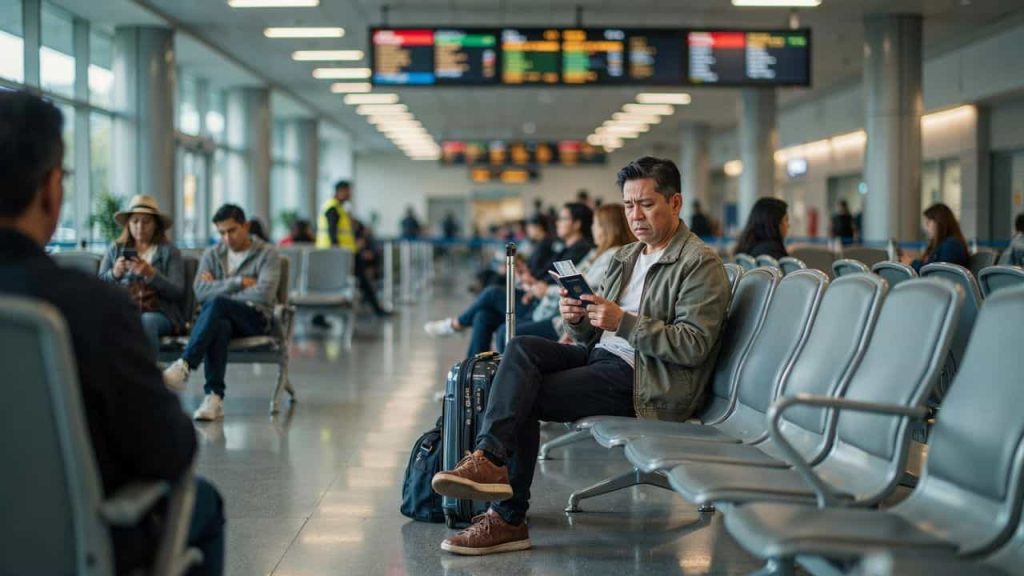
Image generated with Ai
Thousands of travellers are suffering throughout Asia as widespread aviation disruptions across China, UAE, Indonesia and Turkey have forced airlines to manage 454 cancellations and 5,363 delays. The disruption is impacting Saudia, Emirates, SCAT, Cathay Pacific and more airlines operating through major cities including Beijing, Dubai, Jakarta, New Delhi, Istanbul and others. Meanwhile, airports across the region are facing operational pressure as airlines adjust schedules and manage affected passengers. The travel disruption has spread due to a combination of severe weather impacts, airport congestion, aircraft rotation challenges and network recovery issues. As a result, thousands of travellers are experiencing longer waiting times, cancelled services and changing flight schedules. Airlines and airports are working to restore normal operations while passengers continue to monitor updates before travelling across Asia’s busy aviation network.
China Aviation Network Faces the Largest Share of Asia Flight Disruptions
China has emerged as the most affected market in the latest disruption data, with several major airports experiencing hundreds of delays and multiple cancellations.
Shanghai Pudong International Airport recorded the highest number of delays among all listed airports, with 891 delays and 43 cancellations. The airport, one of China’s most important international gateways, experienced significant operational pressure affecting both domestic and international services.
Nearby Shanghai Hongqiao International Airport also reported major disruption, with 468 delays and 68 cancellations, making it one of the airports with the highest cancellation numbers in the region.
Other major Chinese airports affected include:
- Guangzhou Baiyun International Airport: 731 delays and 16 cancellations
- Beijing Capital International Airport: 321 delays and 21 cancellations
- Chengdu Tianfu International Airport: 288 delays and 13 cancellations
- Chengdu Shuangliu International Airport: 229 delays and 7 cancellations
- Xiamen Gaoqi International Airport: 243 delays and 15 cancellations
The scale of disruption across China indicates widespread pressure on one of the world’s busiest aviation systems. Large domestic networks mean that delays at major hubs can quickly affect aircraft movements, crew schedules and connecting flights across multiple cities.
Advertisement
Advertisement
Middle East Airports Experience Continued Travel Disruptions
The Gulf region has also recorded notable disruption, affecting major aviation hubs in Saudi Arabia and the UAE.
King Khalid International Airport in Riyadh reported 125 delays and 33 cancellations, while King Abdulaziz International Airport in Jeddah recorded 77 delays and 32 cancellations.
Saudi regional airports also faced cancellations, including:
- Gizan Regional Airport: 33 cancellations
- Najran Domestic Airport: 19 cancellations
In the UAE, Dubai International Airport reported 354 delays and 27 cancellations, affecting one of the world’s busiest international transit hubs.
The disruption affected several major Middle Eastern airlines, including:
- Saudia: 50 cancellations and 34 delays
- flyadeal: 10 cancellations and 35 delays
- Flydubai: 8 cancellations and 87 delays
- Emirates: 6 cancellations and 227 delays
- Air Arabia: 5 cancellations and 120 delays
- Etihad Airways: 3 cancellations and 153 delays
- Flynas: 3 cancellations and 52 delays
The high number of delays at Gulf hubs highlights how schedule changes can affect international connections between Asia, Europe, Africa and the Middle East.
Advertisement
Advertisement
Airlines Across Asia Face Heavy Operational Pressure
Several airlines recorded significant disruptions due to their extensive networks and operations at affected airports.
China Eastern experienced the highest airline disruption levels in the data, recording 119 cancellations and 1,071 delays. The airline’s large domestic and regional network exposure contributed to the high number of affected services.
Other Chinese carriers also faced substantial delays:
- Air China: 20 cancellations and 433 delays
- Spring Airlines: 18 cancellations and 215 delays
- XiamenAir: 2 cancellations and 341 delays
- Juneyao Airlines: 2 cancellations and 220 delays
- Shanghai Airlines: 1 cancellation and 177 delays
- China Express Airlines: 5 cancellations and 106 delays
- Tianjin Airlines: 5 cancellations and 106 delays
- China United Airlines: 3 cancellations and 76 delays
International airlines operating across Asian routes were also affected:
- Batik Air (Indonesia): 25 cancellations and 58 delays
- Pegasus Airlines (Turkey): 10 cancellations and 114 delays
- Qatar Airways: 4 cancellations and 123 delays
- Cathay Pacific: 3 cancellations and 98 delays
- All Nippon Airways (Japan): 1 cancellation and 106 delays
What Affected Passengers Can Do Now
Passengers travelling through affected Asian airports should take several steps to reduce disruption risks.
Travellers should:
Advertisement
Advertisement
- Check updated flight information directly with their airline before leaving for the airport.
- Allow extra time for check-in, security checks and possible schedule changes.
- Monitor airport announcements and airline mobile notifications.
- Keep important travel documents and booking details easily accessible.
- Avoid tight connections while disruption continues.
- Contact airlines immediately if flights are cancelled to explore rebooking options.
Passengers connecting through major hubs such as Shanghai, Beijing, Guangzhou, Dubai, Riyadh and Jeddah should expect possible delays as airlines work to restore normal schedules.
Asia Aviation Network Continues Recovery Efforts
The latest disruption data shows significant pressure across Asia’s aviation sector, with 5,363 delays and 454 cancellations recorded across the listed airports. China remains the centre of disruption, while Gulf aviation hubs and regional carriers are also experiencing operational challenges.
As airlines adjust schedules and airports manage affected operations, travellers across Asia should remain prepared for changing departure times, longer waiting periods and possible last-minute updates.
Data Verification Notice
The Data is extensively curated by me with figures derived from Flightaware dated 19 July 2026, 4:51 pm ET USA
Primary Source: Real-time data aggregated via FlightAware.
Verification Protocol: Statistics are cross-checked by our human editorial desk. Timestamped logs and feed snapshots are securely archived internally to maintain historical accuracy.
Note: Real-time tracking figures represent active airspace data and may experience minor variances from local airport terminal gates.
Travelers are advised to check respective airline and airports for more latest information and updates
Advertisement
Advertisement
