
Published on
May 24, 2026

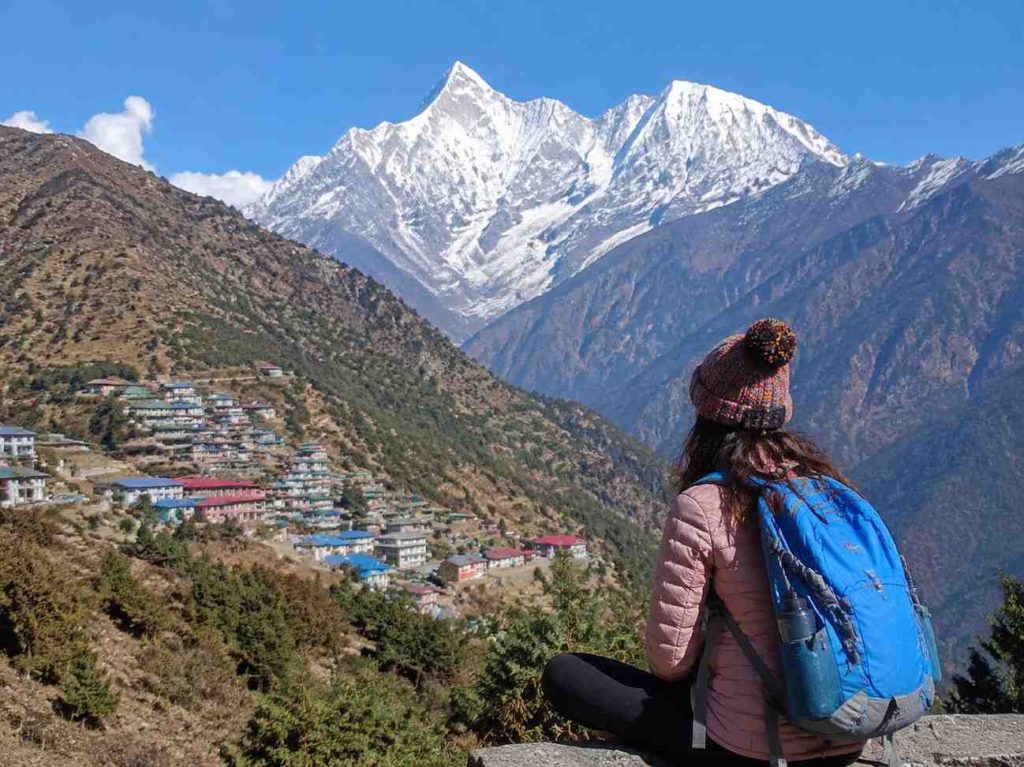
Image generated with Ai
Nepal tourism 2026 is gaining significant momentum following the country’s recognition as the “Most Charming Tourism Destination” at the Guangzhou International Tourism Fair in China. The award highlights Nepal’s natural beauty, cultural diversity, spiritual heritage, and adventure tourism offerings, positioning the nation as a top global travel destination. Industry reports indicate a sharp increase in tourist arrivals from key markets including India, the United States, China, the United Kingdom, and Australia. Airlines such as China Southern, Nepal Airlines, Air India, Qatar Airways, and Emirates are reporting higher bookings, while hotels and tour operators are experiencing strong demand, signaling a robust recovery and growth for Nepal’s tourism and hospitality sectors in 2026.
Airline bookings have spiked on key international routes, while major hubs and tour operators report increased forward demand for flights and hotel rooms for peak seasons in late 2026. The sector’s recovery underscores Nepal’s strategic focus on diversifying its tourism products and strengthening connectivity.
Recent Developments in Nepal Tourism
Nepal has rolled out several initiatives to enhance the visitor experience and promote the destination globally. After its Guangzhou fair win, the government launched the Devbhumi Nepal campaign aimed at positioning the country as a center for spiritual and cultural tourism, including major pilgrimage sites such as Pashupatinath, Lumbini, and Janakpurdham. Additionally, plans are underway to establish 5,000 new homestays to broaden rural tourism opportunities and connect local communities to international markets.
Policy reforms also seek to modernize travel infrastructure with digital e‑gates and streamlined entry systems, improving ease of travel for international visitors. Tourism authorities are targeting higher‑value segments like wellness tourism, spiritual travel, study tourism and film tourism as strategic growth areas.
Advertisement
Advertisement
The civil aviation authority is being restructured to improve regulatory functions and align with international aviation safety standards, while direct operations at Pokhara International and Gautam Buddha International Airports are expected to support expanded connectivity with global hubs.
Regions and Visitor Growth Trends
Nepal’s tourism growth in 2026 has been geographically diverse:
Advertisement
Advertisement
Tourist Arrivals by Country (2025)
| Rank | Country | Arrivals | Market Share |
|---|---|---|---|
| 1 | India | 292,438 | 25.2% |
| 2 | United States | 112,316 | 9.7% |
| 3 | China | 95,480 | 8.2% |
| 4 | United Kingdom | 58,684 | 5.1% |
| 5 | Bangladesh | 57,545 | 5.0% |
| 6 | Australia | 37,550 | 3.2% |
| 7 | Sri Lanka | 30,243 | 2.6% |
| 8 | Thailand | 30,227 | 2.6% |
India continues as Nepal’s largest source market. The United States and China remain strong long‑haul contributors, with Western and Asian visitors helping elevate diversity and demand. Peak months such as October 2025 recorded high inflows due to autumn trekking and festival travel patterns.
Impact on Visitors and Local Economy
The growth in tourist arrivals and airline bookings is yielding broad economic benefits. Nepal’s hospitality sector — hotels, resorts, trekking companies, guides, and restaurants — has seen significant upticks in inquiries and reservations. The added recognition from international fairs, including Guangzhou and SATTE in India, is helping forge new business leads and partnerships with global travel stakeholders.
Airlines are responding to increased demand: carriers such as China Southern, Nepal Airlines, Air India, Qatar Airways and Emirates are reporting stronger forward bookings on routes to Kathmandu and regional hubs. These flights not only facilitate tourism but also strengthen Nepal’s connectivity to key markets in Asia, the Middle East and Europe.
Tourism is a major economic contributor in Nepal, providing jobs and local income generation through community homestays, adventure services and cultural experiences. Government targets to double daily tourist spending aim to capture higher‑value visitors and extend stays.
Government and Industry Response
Recognizing tourism as a cornerstone of national development, the Government of Nepal has introduced several policy priorities. These include tourism‑focused fiscal incentives, streamlined digital entry for foreign visitors, and promotional campaigns to attract niche markets such as wellness, culinary and religious travel.
Advertisement
Advertisement
At trade events like OTM Mumbai and SATTE 2026, Nepal’s tourism representatives highlighted investment opportunities and collaborative product development, particularly with Indian and ASEAN partners. The ASEAN Tourism Year 2026 initiative targets growth within Southeast Asian markets as part of broader diversification strategies.
Policies also aim to improve safety and security — including an online tourist tracking system — and simplify trekking access rules by opening previously restricted routes to solo foreign travelers, enhancing flexibility for adventure seekers.
Tips for Travelers
• Visa and Entry: Check visa requirements and digital entry systems before departure. Many visitors can obtain visas on arrival or through online applications.
• Best Seasons: Autumn (September–November) and spring (March–May) offer ideal weather for trekking and sightseeing.
• Booking Flights: With demand rising, book international and regional flights early, especially on popular carriers like China Southern, Nepal Airlines and international allies.
• Safety Measures: Register with your embassy and carry travel insurance that covers medical evacuation and trekking activities.
• Local Connectivity: Internal flights or well‑managed road transfers connect Kathmandu, Pokhara and other key destinations efficiently.
FAQs
Q1: What is Nepal’s top source market in 2026?
India remains Nepal’s largest market, supplying roughly 25% of total arrivals in 2025 and continuing as demand climbs in 2026.
Q2: Are flight bookings increasing after the Guangzhou tourism award?
Yes. Airlines including China Southern, Nepal Airlines, Air India, Qatar Airways and Emirates have reported stronger forward bookings as international travelers show renewed interest in visiting Nepal’s adventure, cultural and spiritual destinations.
Q3: Which months are best for visiting Nepal?
Autumn (September–November) and spring (March–May) are peak months due to clearer weather, ideal trekking conditions and cultural festivals, driving high tourist inflows.
Nepal tourism 2026 surges after the country is named “Most Charming Tourism Destination” at the Guangzhou International Tourism Fair, highlighting its cultural, spiritual, and adventure offerings. Key markets including India, the U.S., China, the U.K., and Australia are driving increased airline bookings and tourist arrivals.
Advertisement
Advertisement
