
Published on
April 15, 2026

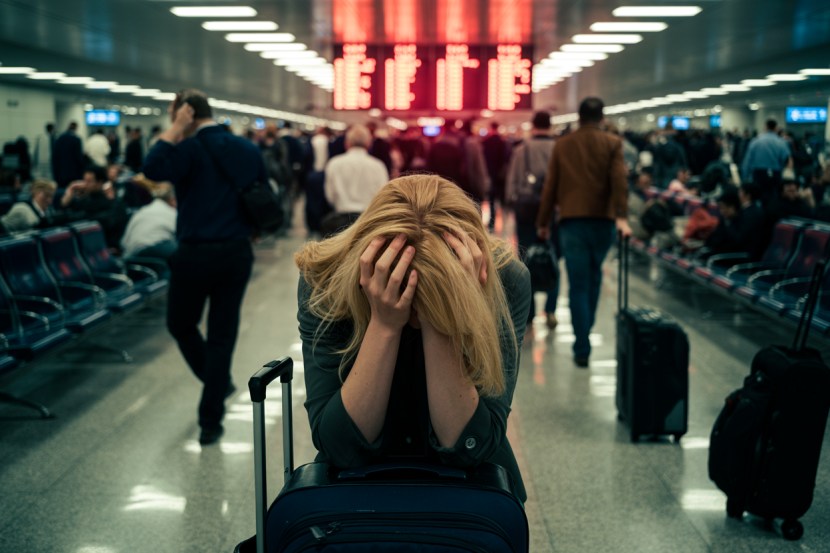
Image generated with Ai
Thousands of travellers were stranded in China today as widespread aviation disruptions resulted in 2,214 delays and 218 cancellations, across Shanghai (Pudong: 32 cancellations, 217 delays; Hongqiao: 14 cancellations, 164 delays), Beijing (Capital: 18 cancellations, 166 delays; Daxing: 14 cancellations, 97 delays), Guangzhou (10 cancellations, 248 delays), Shenzhen (16 cancellations, 261 delays), Chengdu (Tianfu: 21 cancellations, 141 delays; Shuangliu: 13 cancellations, 109 delays), Changsha (18 cancellations, 106 delays), Xi’an (10 cancellations, 94 delays), Kunming (9 cancellations, 136 delays), Chongqing (7 cancellations, 155 delays), Hangzhou (8 cancellations, 172 delays), Guiyang (8 cancellations, 78 delays), Hefei (8 cancellations, 34 delays), and Hohhot (12 cancellations, 36 delays).
The most affected airlines globally included China Eastern Airlines (62 cancellations, 335 delays), Air China (47 cancellations, 212 delays), China Southern Airlines (14 cancellations, 252 delays), Shenzhen Airlines (24 cancellations, 135 delays), China Express Airlines (19 cancellations, 106 delays), Hainan Airlines (10 cancellations, 92 delays), and Chengdu Airlines (9 cancellations, 68 delays). Additional disruption was also recorded across Shanghai Airlines, Spring Airlines, Juneyao Airlines, XiamenAir, Sichuan Airlines, and Tibet Airlines.
China Eastern Airlines reported the highest global disruption totals today with 335 delays and 62 cancellations.
Flight cancellations in China right now are being driven by geopolitical tensions, Middle East-related airspace restrictions, and severe weather.
Cities affected include Shanghai, Beijing, Guangzhou, Shenzhen, Chengdu, Changsha, Xi’an, Kunming, Chongqing, Hangzhou, Guiyang, Hefei, and Hohhot, forming a nationwide disruption pattern driven primarily by delays rather than cancellations.
Play News Now
TTW Audio Brief
- Updated today: China recorded 2,214 flight delays and 218 cancellations across 16 major airports.
- Shenzhen and Guangzhou led in delays with 261 and 248 delays respectively.
- Shanghai Pudong recorded the highest cancellations at 32 flights cancelled.
- Air China and China Southern Airlines followed with significant delay volumes across multiple hubs.
- Disruptions were heavily delay-dominated, with cancellations forming a smaller share.
- Both primary hubs (Shanghai, Beijing) and secondary airports (Guiyang, Hefei, Hohhot) were affected.
Most Affected Airports
Shanghai Pudong International Airport
With 217 delays and 32 cancellations, this remained the most disrupted airport overall. China Eastern Airlines faced the most disruptions here.
Shenzhen Bao’an International Airport
Recording 261 delays and 16 cancellations, Shenzhen saw the highest delay count. Shenzhen Airlines led disruptions at this hub.
Guangzhou Baiyun International Airport
With 248 delays and 10 cancellations, Guangzhou experienced major operational strain, led by China Southern Airlines.
Beijing Capital International Airport
Handling 166 delays and 18 cancellations, this key Beijing hub saw Air China as the most impacted carrier.
Shanghai Hongqiao International Airport
With 164 delays and 14 cancellations, disruptions were concentrated among China Eastern Airlines operations.
Advertisement
Advertisement
Chengdu Tianfu International Airport
Recording 141 delays and 21 cancellations, Air China and China Eastern dominated disruption impact here.
Hangzhou Xiaoshan International Airport
With 172 delays and 8 cancellations, Air China experienced the highest disruption levels.
Chongqing Jiangbei International Airport
Reporting 155 delays and 7 cancellations, China Eastern Airlines faced the most operational issues.
Airlines Most Affected by Flight Cancellations and Delays
China Eastern Airlines
China Eastern Airlines recorded the highest disruption globally, with widespread delays and cancellations across major hubs such as Shanghai, Kunming, and Chongqing, making it the most impacted carrier overall.
Air China
Air China saw substantial disruption, particularly across Beijing and Chengdu, with high delay volumes contributing significantly to nationwide operational strain.
China Southern Airlines
China Southern Airlines experienced heavy delays, especially in Guangzhou and Shenzhen, reflecting its strong presence in southern China’s busiest corridors.
Shenzhen Airlines
Shenzhen Airlines recorded notable disruptions concentrated at Shenzhen and surrounding airports, contributing heavily to delay counts.
China Express Airlines
China Express Airlines showed elevated cancellation and delay ratios, particularly across regional airports like Changsha and Guiyang.
Hainan Airlines
Hainan Airlines faced moderate but widespread disruption across multiple airports, adding to the cumulative delay totals.
Chengdu Airlines
Chengdu Airlines saw consistent delays centered around Sichuan-region hubs, especially Chengdu Shuangliu and Tianfu.
Shanghai Airlines
Shanghai Airlines experienced concentrated disruption within Shanghai’s dual-airport system, contributing to overall congestion.
What Can Affected Passengers Do?
- Check real-time flight updates before heading to airports like Shanghai Pudong or Beijing Capital
- Stay in contact with airline support for rebooking or compensation options
- Arrive early at major hubs such as Guangzhou or Shenzhen due to cascading delays
- Keep digital and physical copies of tickets and ID ready for quick processing
- Monitor connecting flights closely, especially through high-traffic hubs like Chengdu or Hangzhou
- Use airline apps for notifications instead of relying solely on airport announcements
Overview of Flight Cancellations And Delays
Flight operations across China today, April 15, reflected a delay-heavy disruption pattern, with China Eastern Airlines, Air China, China Southern Airlines, Shenzhen Airlines, Hainan Airlines, and Shanghai Airlines among the most affected carriers. Major urban aviation centers such as Shanghai and Beijing experienced sustained pressure across both primary airports, while Guangzhou and Shenzhen saw exceptionally high delay volumes.
Secondary but high-traffic cities like Chengdu, Chongqing, Hangzhou, and Kunming also contributed significantly to overall disruption counts, reinforcing the scale of the issue across both domestic and regional networks. The widespread nature of delays across Shanghai, Beijing, Guangzhou, and Shenzhen indicates systemic congestion rather than isolated incidents, with ripple effects observed across cities including Xi’an, Changsha, and Guiyang.
Source: Different airports and FlightAware
Advertisement
Advertisement