
| Updated:
The Gulf Cooperation Council is a model of post-Brexit success success, says James Price
In 211BC, when Hannibal was camped outside the walls of Rome, Livy tells us that the ground his army occupied came up for auction in the city. Such was Rome’s confidence in its own future that it sold for full price.
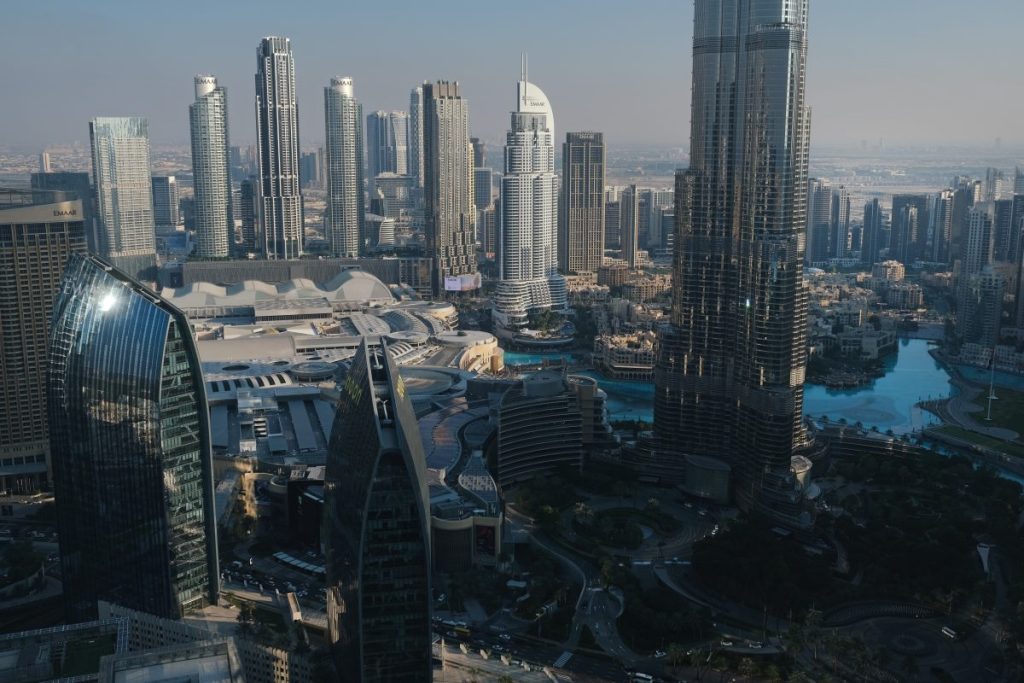
I thought of this a few weeks ago when Britain signed a free trade agreement with the Gulf Cooperation Council (the first the GCC has ever concluded with a G7 nation) while Iranian missiles were still being pointed at the UAE. Dubai kept its airport open almost throughout the conflict, cut fees and fines for affected businesses within days, and published growth figures of 6.4 per cent in the middle of the fighting. Britain’s growth in the same period languished at around 0.1 per cent.
The deal will eventually eliminate 93 per cent of Gulf tariffs on British goods and is expected to add £3.7bn a year to our economy. Instead of being constantly trumpeted by the Labour government for weeks, news of the deal sank almost without trace. A huge Brexit benefit, and a signal of how the future of Britain’s trading relationship with the world can and should look, largely ignored. Inside the EU, Britain could not have signed this agreement at all: Brussels has been trying and failing to land a Gulf deal since 1990.
Brexit benefits
Post-Brexit, though, we can benefit from deals like this: bilateral, tariff-cutting, mutually beneficial, and aimed at fast-growing economies with deep pools of capital looking for somewhere to put it. Meanwhile, the EU’s share of the global economy shrinks every year. City AM readers will know that even the Brexit-sceptic City has lobbied to be exempted from Labour’s misguided push for closer alignment with the bloc.
Consider the partner in this deal, too. Dubai’s demise has been confidently predicted at every crisis: the financial crash, the pandemic, and now a shooting war on its doorstep. The cynics have been wrong every time. Oil once accounted for half of the emirate’s GDP; today it is less than one per cent, the product of decades of deliberate diversification into ports, aviation, finance and free zones. The resilience is showing even now, with new UAE pipelines coming online alongside mothballed older ones, permanently reducing the risks associated with the Strait of Hormuz, regardless of the eventual outcome.
Britain is already invested, in every sense. People are voting with their feet: nearly quarter of a million Brits live in Dubai and the wider UAE, more than the population of Oxford. And that outward flow is accelerating. The Adam Smith Institute put Britain’s loss at some 16,500 millionaires last year, the largest outflow ever recorded by any country, with Dubai as the most popular destination.
Thousands of founders of high-growth British firms have followed since the abolition of the non-dom regime, along with growing numbers of young professionals drawn by safety, schools and the novel experience of a government that wants them to succeed. To sneer at the people emigrating for a better life is the act of a pathetic, bitter, loser country. Dubai isn’t perfect, but rather than scorn the flashiness, we should see what we can learn from a city that once looked up to London for inspiration.
Rome won its long war because it behaved, even in its darkest hours, as though victory were assured. Dubai is doing the same, whilst too often Britain curls its nose up at the necessary work of continuing national prosperity. In the 70s, Jim Callaghan said that if he were a young man, he would emigrate. Many are thinking the same thing today and acting on it. The trade deal is great, but we should see the long-term appeal and success of Dubai, shrugging off wars and pandemics, as a challenge against which to measure Brexit Britain.