
3 min readAug 25, 2026 03:24 PM IST
Starting August 31, 33 lakh electors in Delhi are set to get notices to prove their eligibility as the ongoing Special Intensive Revision (SIR) enters the next phase, sources involved in the exercise told The Indian Express. Those getting the notice will be asked to furnish one of the 13 documents listed by the Election Commission (EC), which includes birth certificate, passport, caste certificate and a permanent residence certificate.
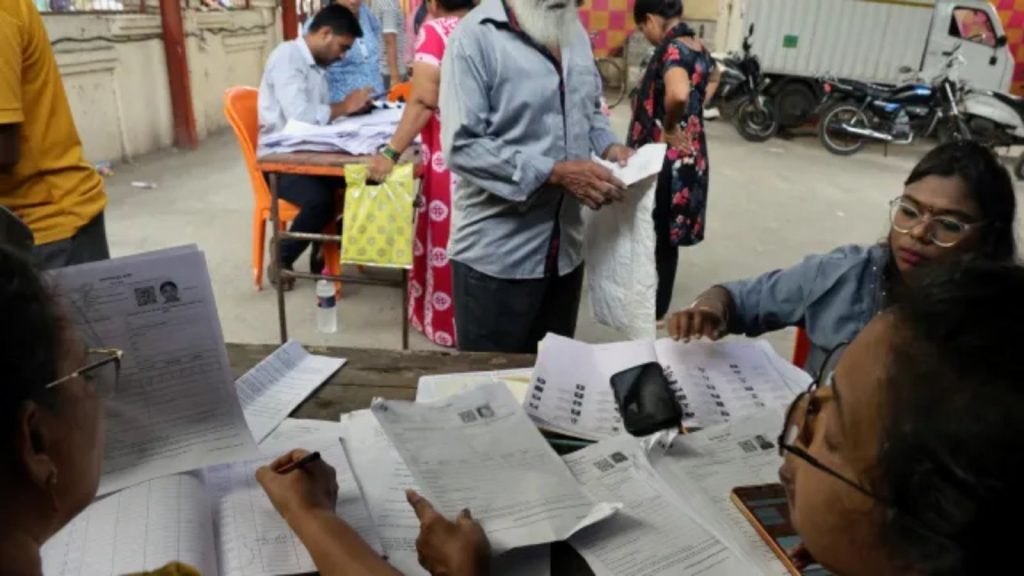
These are 34% of the roughly 97 lakh electors who had submitted their forms in the enumeration phase of the SIR when the booth level officers (BLOs) conducted door-to-door visits. After the visits, the BLOs upload these enumeration forms on the Election Commission’s portal.

The office of the Chief Electoral Office (CEO) also announced the completion of the rationalisation of polling stations in the Capital on Monday. Polling stations have been increased from 13,033 to 14,947 to ensure that each polling station has roughly 1,200 electors each.
When the exercise started in June, Delhi had 1.45 crore names on its electoral rolls. Forms of around 47 lakh electors were marked uncollectible — a category that includes people who are absent, have shifted, have died, have duplicate entries, or fall under ‘Other’ reasons and will not find a place in the draft electoral roll set to be published on August 31.
Information gaps flagged
Out of the 33 lakh electors, who will be on the draft electoral rolls but are set to get notices, around 14 lakh are expected to get notices because their details could not be linked to the 2002 SIR roll, said sources.
Nineteen lakh notices are set to be sent out due to anomalies found in the enumeration forms. These anomalies include the name of the electors in the current electoral roll not matching with the name in the last intensive revision roll; less than 15 year age gap between elector and parent; more than 50 year age gap between elector and parent; less than 9 month gap between birth date of siblings, among other reasons.
The notice phase for disposal of claims and objection phase will last from August 31 to October 29. The final electoral rolls will be published on November 4.
Story continues below this ad
The Electoral Registration Officer (ERO) — usually a sub-divisional magistrate who is senior to the BLO — may ask for additional documents if not satisfied about the electors’ age (must be above 18) or citizenship (only Indian citizens are eligible to vote).
An Aadhaar Card alone is not enough. It is the only document in the list that, by itself, will not suffice to prove eligibility, the EC has said. It must be accompanied by another document from the list that establishes the electors’ age and citizenship.
For those born in India before July 1, 1987, the EC requires a document proving date and/or place of birth. For those born between July 1, 1987, and December 2, 2004, the EC requires a document for the elector and one parent. For those born after December 2, 2004, the EC requires documents for the elector and both parents. These categories follow the requirements under the Citizenship Act, 1955.


Stay updated with the latest – Click here to follow us on Instagram