
Close Menu
Simply Invest Asia
  • Home
  • About us
  • Explore industries/sectors
    • Automobile
    • Aviation
    • Banking
    • Biotechnology
    • Chemical & Fertilizer
    • Entertainment and Media
    • Food Processing
    • Healthcare
    • Iron and Steel
    • Leather
    • Mining
    • Oil and Gas
    • Pharmaceutical
  • Explore by countries
    • China
    • Dubai / UAE
    • Hong Kong
    • India
    • Indonesia
    • Japan
    • Malaysia
  • Explore cities
    • Bangkok
    • Beijing
    • Chongqing
    • Delhi
    • Dubai
    • Guangzhou
    • Jakarta
    • Kuala Lumpur
  • Why Asia
Facebook X (Twitter) Instagram Threads
Trending:
  • Economic and event calendar in Asia Friday, June 26, 2026 – Japan inflation sneak peek
  • A tale of two cities: can Shanghai challenge Hong Kong’s offshore finance crown?
  • Onex, Other Investors To Buy Canada’s AirSprint
  • Business groups back probe of steel plant
  • Juhui Seeks Hong Kong IPO After Rival Haitian’s $1.28B Listing Last Year
  • Kenya Joins Indonesia, Vietnam, Thailand, Philippines, and South Africa as UAE Enhances Entry Rules with Broader Visa-on-Arrival Eligibility for Six Nations – Everything You Need to Know
  • Vuori targets 20 China stores by 2027, doubles global count
  • India beats Bangladesh and sets up must-win clash with Australia at Women’s T20 World Cup
  • UAE Frustrated with Trump Administration After Iran Conflict: Report
  • When Baiheliang meets Nilometer: a lesson for civilization exchanges
  • BNI details 2024 rights issue plan, Jakarta shares underpin Indonesian bank sector
  • Bangkok Post – Bad loans still elevated as Iran war hammers firms
  • Guangdong Party chief invites Taiwan to seize opportunities
  • LATEST: Reform Technologies appoints former ECB Supervisory Board member Elizabeth McCaul as chair following €1 million funding round
  • Precision Fermentation Ingredients Market to Reach USD 136.6 Billion by 2036 as Biotechnology Innovation Accelerates Sustainable Ingredient Production, FMI
  • Labourer wins HK$312,000 work injury compensation despite absent Hong Kong employer
  • Toyota car subscription arm Kinto shifts into high gear as profit doubles
  • Six alleged drug mules arrested after meth smuggled from Malaysia
Thursday, June 25
Facebook X (Twitter) Instagram
Simply Invest Asia
  • Home
  • About us
  • Explore industries/sectors
    • Automobile
    • Aviation
    • Banking
    • Biotechnology
    • Chemical & Fertilizer
    • Entertainment and Media
    • Food Processing
    • Healthcare
    • Iron and Steel
    • Leather
    • Mining
    • Oil and Gas
    • Pharmaceutical
  • Explore by countries
    • China
    • Dubai / UAE
    • Hong Kong
    • India
    • Indonesia
    • Japan
    • Malaysia
  • Explore cities
    • Bangkok
    • Beijing
    • Chongqing
    • Delhi
    • Dubai
    • Guangzhou
    • Jakarta
    • Kuala Lumpur
  • Why Asia
Simply Invest Asia
Home»Explore cities»Chongqing»When Baiheliang meets Nilometer: a lesson for civilization exchanges
Chongqing

When Baiheliang meets Nilometer: a lesson for civilization exchanges

By IslaJune 25, 20264 Mins Read
Share
Facebook Twitter Pinterest Threads Bluesky Copy Link


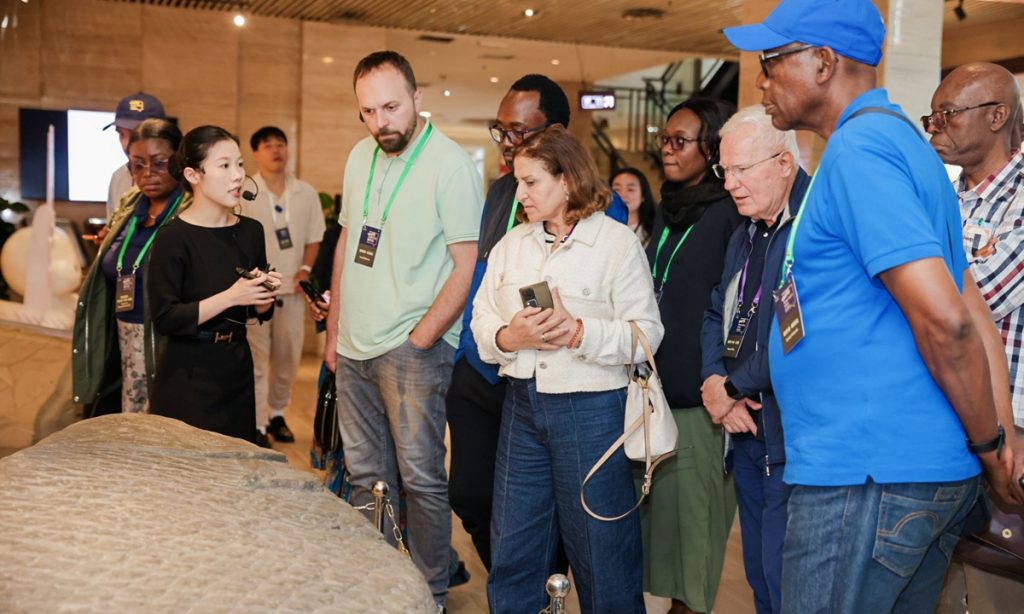
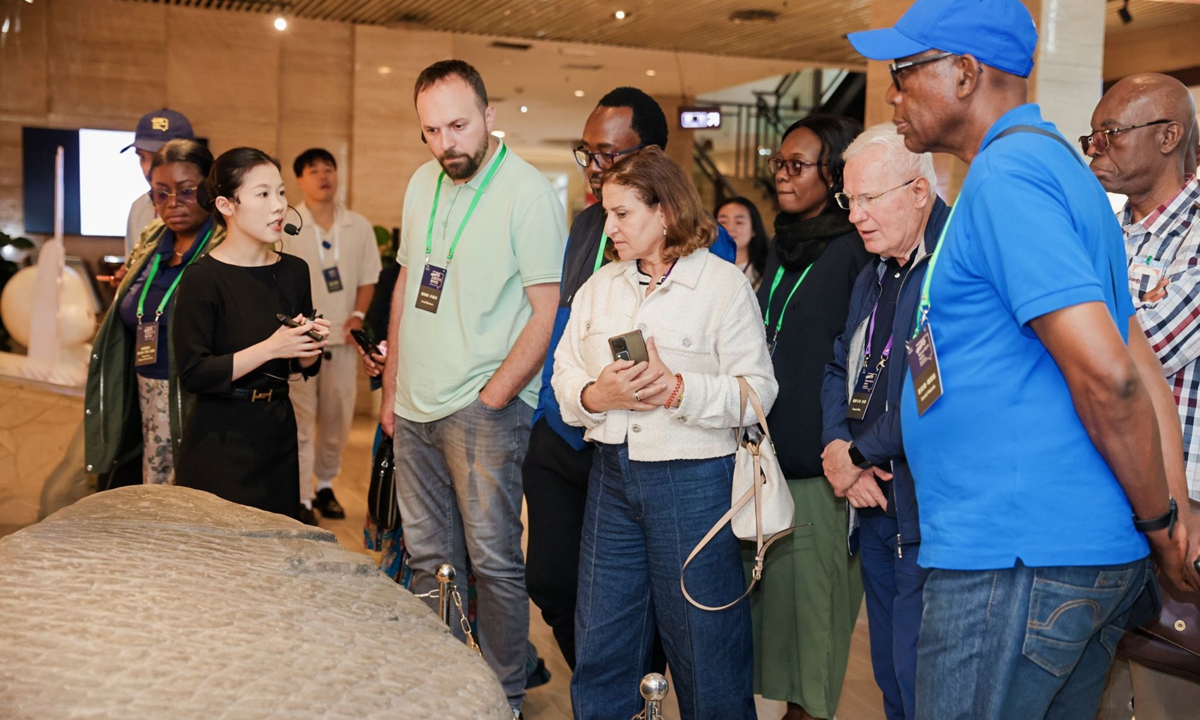
A delegation of officials and experts visits the Baiheliang Underwater Museum in Southwest China's Chongqing. Photo: Chongqing Luhai International Communication Foundation

A delegation of officials and experts visits the Baiheliang Underwater Museum in Southwest China’s Chongqing. Photo: Chongqing Luhai International Communication Foundation

“This is Egypt’s Nilometer!” An Egyptian expert paused abruptly before an exhibit panel at the Baiheliang Underwater Museum in Southwest China’s Chongqing, pointing excitedly at the image on display. His exclamation laid bare an extraordinary cross-continental parallel between two iconic hydrological heritage sites from the Nile and Yangtze civilizations.

Earlier this month, I accompanied a delegation of officials and experts from 20 countries and international organizations on a visit to Chongqing. One of the highlights was Baiheliang Underwater Museum. Baiheliang is a 1,200-year-old natural stone ridge in the Yangtze River engraved with more than 160 inscriptions recording water levels. When the Three Gorges Dam raised the river level and submerged the ridge in 2003, China built an underwater museum at the original site to preserve this cultural relic.

What struck our Egyptian guest the most was its striking similarity to Egypt’s Nilometers – ancient gauges built along the Nile to measure water levels and predict floods and droughts. The parallels with Baiheliang are remarkable: Both served for centuries as indispensable tools for monitoring rivers, both became obsolete after hydraulic projects, and both have since been preserved as treasured cultural heritage. 

A museum guide told us that the sites of the Rawda Island Nilometer in Egypt and China’s Baiheliang Ancient Hydrological Inscription are applying for a joint World Heritage title in 2026.

After the tour, the Egyptian expert expressed his deep impression of how two civilizations, separated by continents, had developed remarkably similar wisdom in response to environmental challenges. Both Chinese and Egyptian ancestors created sophisticated methods for observing and interpreting nature – not to conquer it, but to better people’s lives and foster a more harmonious relationship between human society and the environment. Equally remarkable, he noted, is that both countries have invested significant efforts in preserving these ancient heritages long after they ceased to serve any practical purpose. “For me, this is a testament to the greatness of both our civilizations and to why Egypt and China are natural friends,” he said. 

His words resonated with me. Baiheliang and Egypt’s Nilometers stand as powerful examples that civilizations need not compete for primacy. Instead, they can collaborate to preserve shared records of millennia-long climate shifts, fill gaps in global hydrological heritage, and collectively pass down the ingenuity of river civilizations. This bond is far more than a story of ancient engineering – it embodies a shared Sino-Egyptian civilizational ethos: reverence for history, confidence in cultural identity, and a shared commitment to cross-civilizational mutual learning for humanity’s collective progress.

This spirit of exchange is rooted in decades of solid bilateral ties. Egypt became the first Arab and African state to establish diplomatic relations with China in 1956. Over the past seven decades, the relationship between the two countries has evolved into a vibrant example of civilizational exchange and mutual learning. As two of the world’s oldest civilizations, China and Egypt share not only pride in their own rich cultural heritage, but also a belief that dialogue among civilizations fosters mutual understanding and trust.

Today, heritage preservation sits high on both national agendas: China integrates cultural confidence and relic protection into its modernization drive and 15th Five-Year Plan, while Egypt anchors cultural growth in its Vision 2030 alongside initiatives like Industrial Egypt. Both sides also fully embrace the Global Civilization Initiative, turning the vision of cultural connectivity into tangible joint action centered on heritage cooperation.

The Egyptian expert offered a final reflective observation as we prepared to leave the museum. Unlike many Western nations that frame history in decades or centuries, Egypt and China operate with a millennial long view, he said, emphasizing that this timeless perspective guides not only our respective heritage conservation work, but also our shared stance on global governance and international affairs. He voiced hope that the two nations will keep bringing this unique ancient wisdom to global discourse.

I later read his inscription in the museum guestbook, whose final line captured our core theme: “Cultural heritage is a testament to the ancient ties that bind our two historical nations.”

Heritage is not merely a record of the past – it is a living force shaping our shared future. The parallel stories of Baiheliang and the Nilometers are just the opening chapter of deeper Sino-Egyptian cultural collaboration, bound together by parallel river wisdom born of two of humanity’s oldest civilizations.

The author is a reporter with the Global Times. The article was originally published on Egyptian news portal Aldiplomasy. liuxuandi@globaltimes.com.cn


Source link

Related Posts

Chongqing Machinery & Electric Wins Strong Shareholder Backing at 2026 AGM

June 25, 2026

Mexico’s ambassador: Food weaves bonds between Mexico and China

June 25, 2026

Beyond Western Models: Chinese Modernization Seen Through Chongqing | Video

June 25, 2026
Add A Comment
Leave A Reply Cancel Reply

Top Posts

China Scraps 12,000 Degrees in Biggest Academic Overhaul in Years

June 14, 2026

Chinese Wall may stem India tech flows for electronics and automobile

June 1, 2026

Abandoned malls, whispers of nuclear war and young foreigners detained. This is what’s REALLY going on in Dubai… and the chilling warning one taxi driver gave to the Mail’s IAN BIRRELL

April 11, 2026
Don't Miss

Economic and event calendar in Asia Friday, June 26, 2026 – Japan inflation sneak peek

By IslaJune 25, 2026

Tokyo’s consumer price index is set to accelerate in June for the first time in…

A tale of two cities: can Shanghai challenge Hong Kong’s offshore finance crown?

June 25, 2026

Onex, Other Investors To Buy Canada’s AirSprint

June 25, 2026

Business groups back probe of steel plant

June 25, 2026
SUBSCRIBE TO OUR NEWSLETTER

Get our latest downloads and information first. Complete the form below to subscribe to our weekly newsletter.


I consent to being contacted via telephone and/or email and I consent to my data being stored in accordance with European GDPR regulations and agree to the terms of use and privacy policy.

Stay In Touch
  • Facebook
  • YouTube
  • TikTok
  • WhatsApp
  • Twitter
  • Instagram
Top Trending

Guangdong Party chief invites Taiwan to seize opportunities

By IslaJune 25, 2026

LATEST: Reform Technologies appoints former ECB Supervisory Board member Elizabeth McCaul as chair following €1 million funding round

By IslaJune 25, 2026

Precision Fermentation Ingredients Market to Reach USD 136.6 Billion by 2036 as Biotechnology Innovation Accelerates Sustainable Ingredient Production, FMI

By IslaJune 25, 2026
Most Popular

The Nike Air Force 1 Low Wears Pristine White Patent Leather

April 23, 2026

Grade10 Fest Summer 2026 | Hopewell Hotel

May 29, 2026

Malaysia: Stellantis starts local assembly of Leapmotor C10

June 6, 2026
Our Picks

Chongqing Tonglianglong vs Shenzhen Peng City: Chinese Super League stats & head-to-head

April 17, 2026

Dubai’s Dh300,000 diamond-encrusted Lego World Cup could be most expensive set ever built

June 19, 2026

Inside Chalee Kader’s Bangkok Food Empire

May 28, 2026
SUBSCRIBE TO OUR NEWSLETTER

Get our latest downloads and information first. Complete the form below to subscribe to our weekly newsletter.


I consent to being contacted via telephone and/or email and I consent to my data being stored in accordance with European GDPR regulations and agree to the terms of use and privacy policy.

© 2026 Simply Invest Asia.
  • Get In Touch
  • Cookie Policy
  • Privacy policy
  • Terms & Conditions

Type above and press Enter to search. Press Esc to cancel.

SUBSCRIBE TO OUR NEWSLETTER

Get our latest downloads and information first.

Complete the form below to subscribe to our weekly newsletter.


I consent to being contacted via telephone and/or email and I consent to my data being stored in accordance with European GDPR regulations and agree to the terms of use and privacy policy.