
From April 24th to May 3rd, the 2026 (19th) Beijing International Automobile Exhibition will be held at the Capital International Exhibition Center and the China International Exhibition Center (Shunyi Hall). At that time, leading domestic and international automobile manufacturers will gather together, and various new technologies and products will make their debuts. The reporting team of Dianchetong (ID: dianchetong233) will also go to the scene in person to bring you first – hand, professional, and three – dimensional in – depth reports.
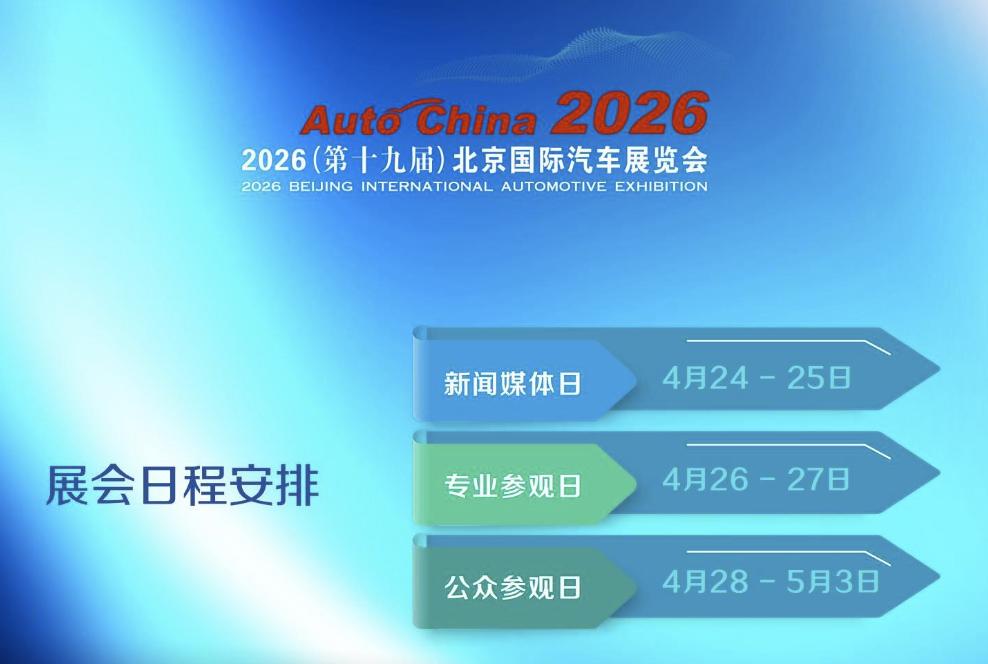
(Image source: Official website of the Beijing International Automobile Exhibition)
As one of the top auto show events in China, the Beijing Auto Show is not only a concentrated exhibition of various vehicle models but also a barometer of the industry’s development. Every move of automobile manufacturers and suppliers represents the industry’s trends.
This year’s Beijing Auto Show coincides with the critical node when the electrification of the automobile industry enters the deep – water zone and the intelligentization steps into a new chapter. It is both a platform for the concentrated display of new global automobile technologies and products and a stage for domestic and international brands to compete for the right to define technology.
Domestic Brands: Increasing Investment in the High – end Market, the “Series 9 Battle” Kicks Off
In the era of fuel – powered vehicles, domestic automobile manufacturers had little chance to enter the high – end market. Some manufacturers were forced to break the deadlock by acquiring overseas luxury brands. In the era of new energy vehicles, the situation has completely reversed. The once – representative luxury automobile brands BBA are now ridiculed as “miscellaneous brand electric vehicles”. Many domestic brands such as Wenjie, Li Auto, NIO, Xiaomi, Fangchengbao, and Voyah have risen one after another and taken root in the high – end market.
However, domestic automobile manufacturers are not satisfied with the achievements they have made. Domestic luxury cars will be on concentrated display at the Beijing Auto Show to show their strength again. Models such as the new Li L9 Lives, Wenjie M9, and Zhijie V9 may all be launched during the Beijing Auto Show. The NIO ES9, which has been released but not yet put into the market for delivery, will also be exhibited at the Beijing Auto Show.
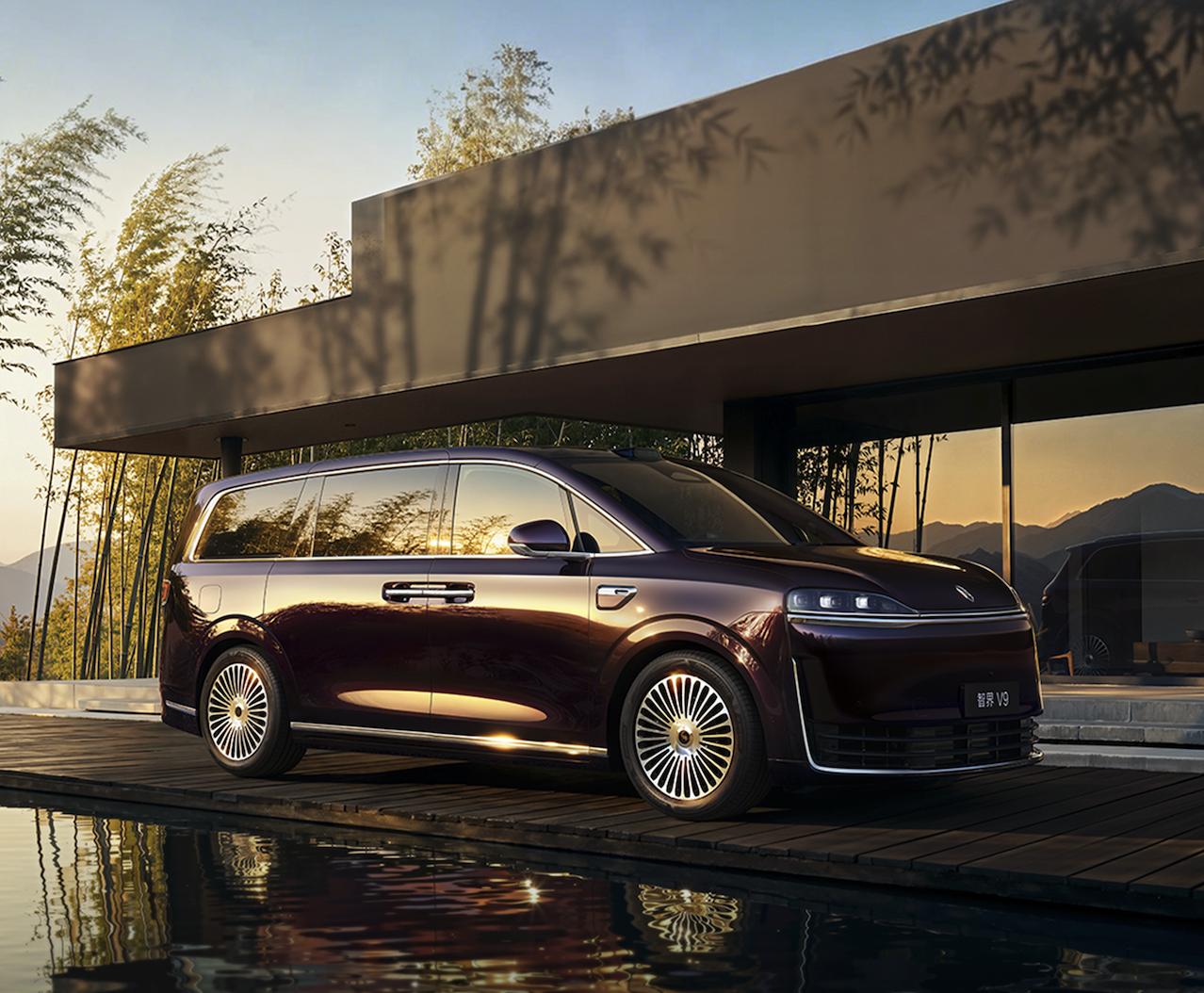
(Image source: Zhijie Automobile)
“9” is the largest single – digit number in the decimal system and is usually used for naming top – level luxury cars in the automotive industry. In addition to the above – mentioned models, there are also representative luxury cars at home and abroad such as Denza N9/Z9, Xingjie S9, BMW Series 9, and Audi A9.
Not every automobile manufacturer reserves “9” for top – level luxury cars. For example, the current price of the XPeng G9 is within 300,000 yuan. XPeng may exhibit the “XPeng GX” at the Beijing Auto Show and launch an attack on the 400,000 – yuan – level market. BYD, which rarely uses numbers for naming, will exhibit the “Datang” with a length of 5263/5302mm at the Beijing Auto Show. High – end models such as Geely’s all – terrain SUV Galaxy Battleship 700, Great Wall’s new Tank 700, and Voyah Taishan X8 will all appear at the Beijing Auto Show.
Most of these highly anticipated high – end models are SUVs, which will be equipped with refrigerators, color TVs, and large sofas, meeting the domestic consumers’ demand for riding comfort.
It is worth mentioning that the intelligent driving technology of domestic luxury cars deserves special attention. Brands such as Wenjie, Zhijie, and Voyah will be standard – equipped with Huawei’s high – level intelligent driving system. Among them, the Wenjie M9 is equipped with up to 4 lidars, and the main lidar is Huawei’s 896 – line lidar, which has stronger perception ability; the Li L9 Lives is equipped with two self – developed chips, Mach 100, with a total computing power of up to 2560 TOPS and is also equipped with 4 lidars; the XPeng GX is equipped with 4 self – developed Turing chips, with a total computing power of up to 3000 TOPS, preparing for L4 – level intelligent driving; the NIO ES9 is standard – equipped with the world’s first 5nm automotive – grade flagship intelligent driving chip, Shenji NX9031, and has 3 lidars.
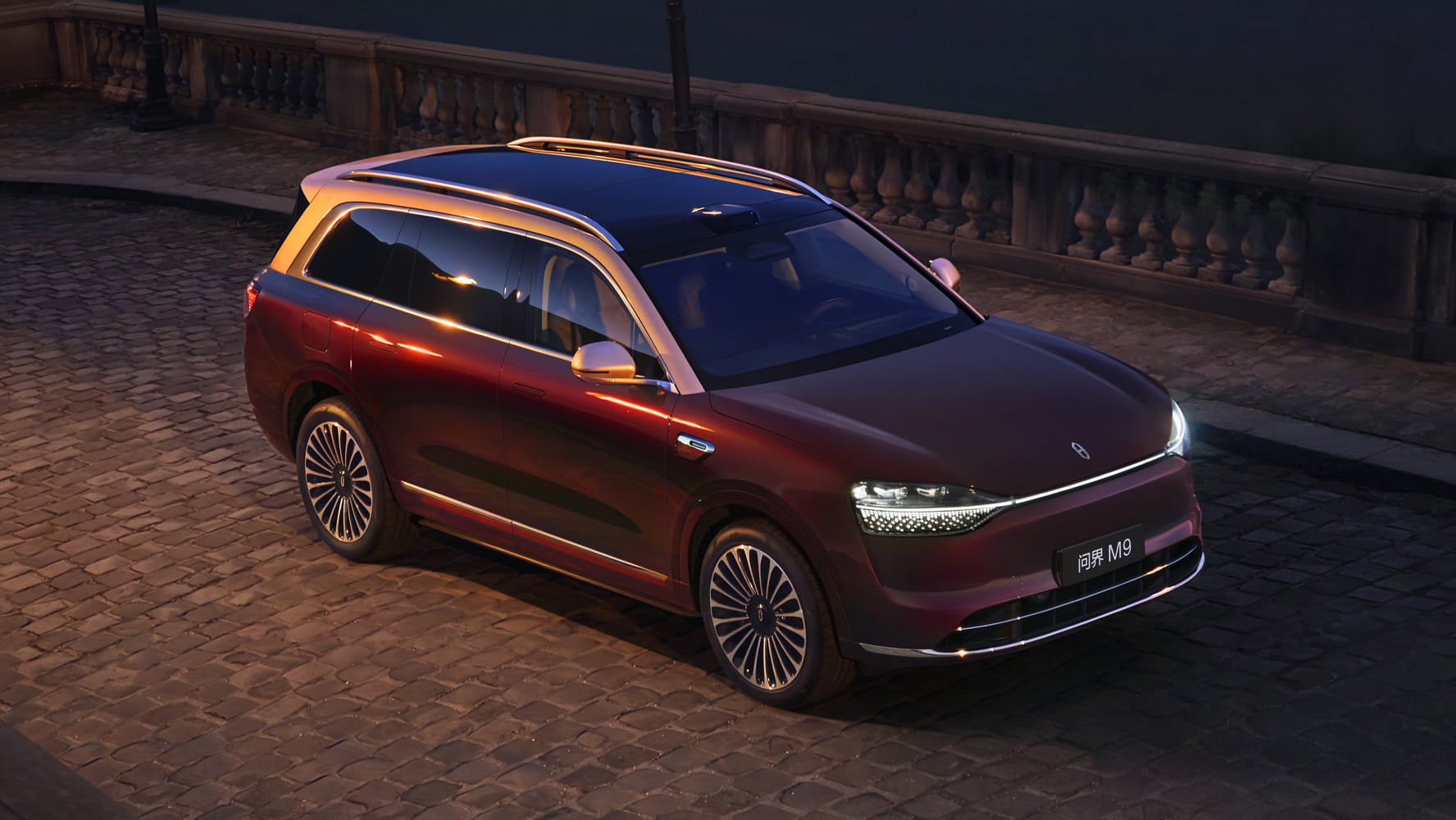
(Image source: Hongmeng Smart Mobility)
While domestic automobile manufacturers are attacking the high – end market, Dianchetong (ID: dianchetong233) has noticed that many netizens complain that domestic cars are not worth the high price. The reason is that domestic luxury cars rely on refrigerators, color TVs, and large sofas to attract consumers and lack technical strength.
The real situation is not like this. While providing various comfort – oriented configurations and turning cars into “mobile homes”, domestic automobile manufacturers have not forgotten to deeply research technology. In the fields of intelligent chassis, intelligent driving, body materials, and handling, domestic automobile manufacturers have accumulated sufficient technical foundation. Among these technologies, consumers are most concerned about intelligent driving, and domestic automobile manufacturers often promote intelligent driving technology and self – developed chips.
The reason is very simple. Handling is not that important in the eyes of consumers. After all, we can’t drive at high speeds in the city in daily life. Refrigerators, color TVs, large sofas, and intelligent driving systems can improve the experience more significantly.
Domestic luxury cars are not without technology. Automobile manufacturers mainly show the technologies and configurations that domestic consumers are most concerned about.
Overseas Automobile Manufacturers: The Return of French Brands, Joint – Venture Cars Sound the Counter – attack Horn
Joint – venture new energy vehicle models, which were once ridiculed as “whoever buys will be laughed at”, have been in a weak position in the market in the past few years. However, the foundation of established automobile manufacturers still exists. Based on new platforms and technologies developed independently or in cooperation with Chinese automobile manufacturers, a new generation of new energy vehicles from joint – venture automobile manufacturers will make a collective appearance at the Beijing Auto Show and sound the horn of counter – attack.
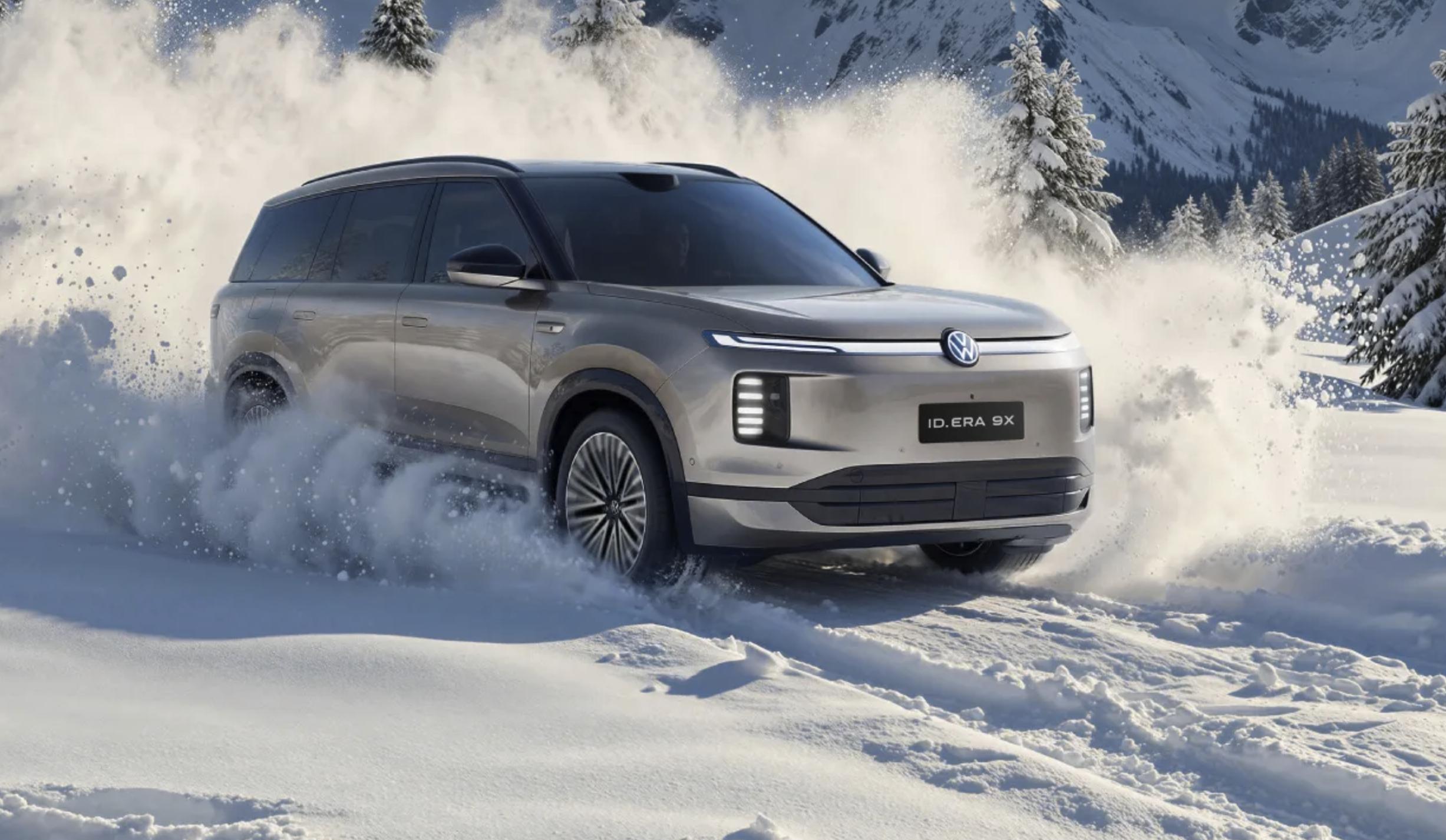
The SAIC Volkswagen ID.ERA 9X, which was released some time ago, is undoubtedly a representative product of the joint – venture 2.0 era. It is equipped with a golden range extender based on the EA211 engine, has a large 65.2kWh battery, and can achieve a pure – electric range of up to 400 kilometers under CLTC conditions. It also features the Moment R7 intelligent driving model for the first time.
(Image source: SAIC Volkswagen)
From the many configurations such as zero – gravity massage seats, domestic intelligent driving technology, a 1.5T range extender, a large battery, and a 5207mm body size, it can be seen that Volkswagen really understands what Chinese consumers need.
BBA, the representative of joint – venture new energy luxury car brands, will naturally not miss the Beijing Auto Show. At this auto show, BMW will bring its heavy – weight products, the i3 and the long – wheelbase version of the iX3. The long – wheelbase version of the iX3 is specially designed for Chinese consumers, with the wheelbase extended to 3005mm. It is equipped with the sixth – generation eDrive electric drive, an 800V high – voltage platform, a large AI model jointly customized by BMW and Alibaba, and Moment high – level intelligent driving. The maximum charging power can reach 400kW, and it can recharge 400 kilometers in 10 minutes.
Mercedes – Benz’s heavy – weight new product is the mid – cycle facelift long – wheelbase version of the S – Class. This car is available in three versions: fuel, mild – hybrid, and plug – in hybrid, and has been launched overseas. The plug – in hybrid Mercedes – Benz S580 e is equipped with a 28.6kWh battery, has a pure – electric range of 120 kilometers under WLTC conditions, supports 200kW fast charging, and is equipped with the MB.OS intelligent cabin + a 14.4 – inch central control screen + two 13.1 – inch rear – seat screens. In terms of intelligent driving, Mercedes – Benz also chose to cooperate with Moment and added a parking – to – parking – level intelligent driving system to the car.
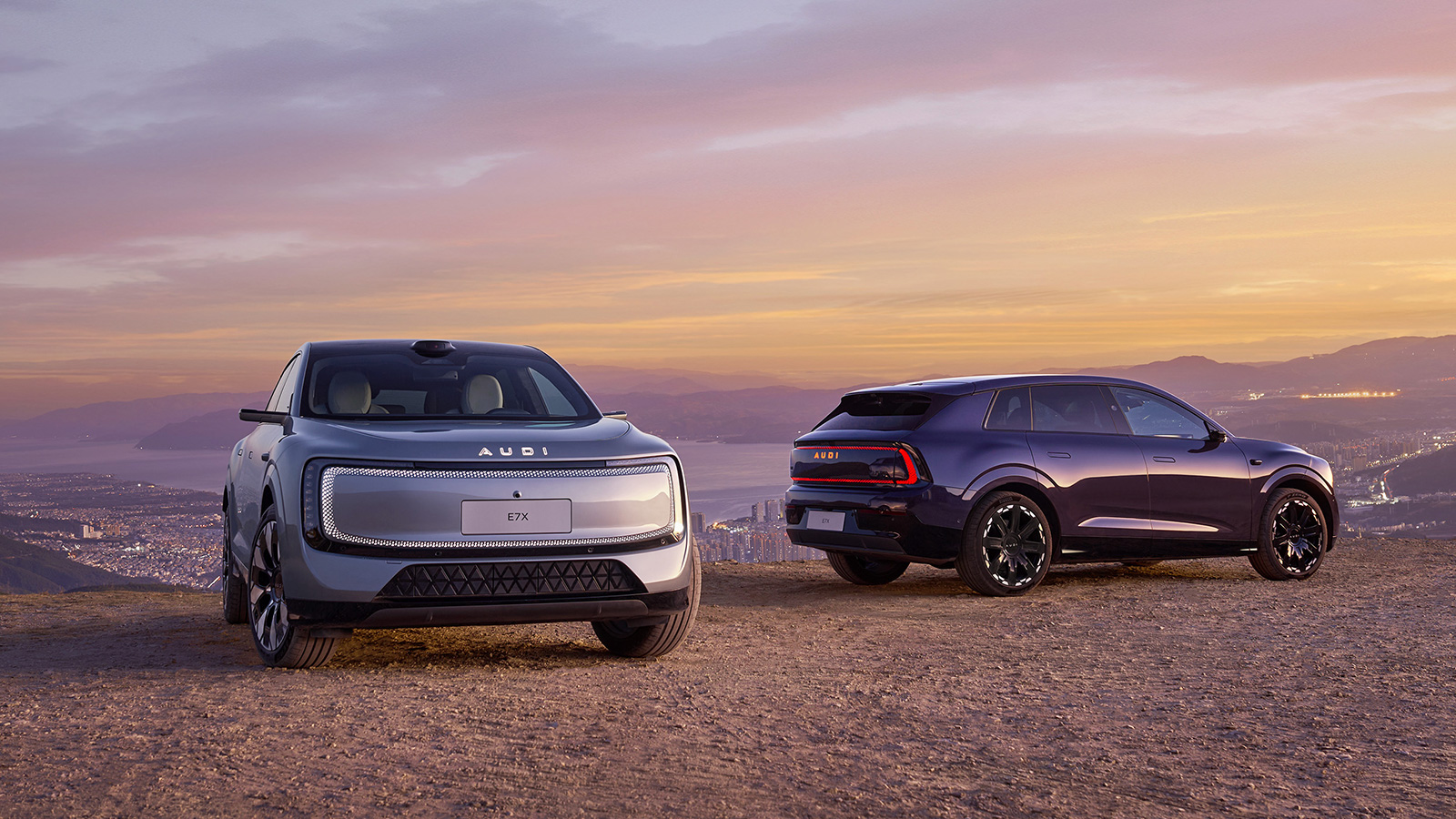
Audi will exhibit the heavy – weight product, the SAIC Audi E7X. Based on the ADP intelligent digital platform and the 800V high – voltage platform, it is equipped with a 109.3kWh battery, has a range of 751 kilometers under CLTC conditions, the four – wheel – drive version can accelerate from 0 to 100 km/h in only 3.97 seconds, is equipped with Moment high – level intelligent driving, and features a large five – seat design.
(Image source: SAIC Audi)
Interestingly, French cars, which have not participated in the Beijing Auto Show for two consecutive sessions, have finally returned after a three – year absence. The two French giants, Dongfeng Peugeot and Dongfeng Citroën, will exhibit multiple heavy – weight models at Hall A3 of the Beijing Auto Show, opening a new era of intelligent and electric transformation.
According to the data from the Passenger Car Association, the sales volume of French cars in China in 2025 was 42,561 units, accounting for only 0.2% of the market share, which is almost negligible. French cars, which couldn’t make money in China, gave up participating in the Beijing Auto Show in the past few years. The return of French cars to the Beijing Auto Show this year may indicate important actions.
It is not difficult to see from the new products of BBA and Volkswagen that joint – venture automobile manufacturers are increasingly aware that Chinese consumers’ demands are large space, comfort, and intelligent driving.
All the heavy – weight products of BBA are sold with space and intelligent driving as selling points. Among them, the long – wheelbase version of the BMW iX3 and the Audi E7X are special products designed specifically for Chinese consumers. Moreover, BBA all cooperate with Moment and add high – level intelligent driving to their products.
As for French cars, their reputation in China is not bad, and their handling is highly recognized by Chinese consumers. However, the advantage of handling is not as intuitive as refrigerators, color TVs, and large sofas. It is hoped that the new new – energy products of French cars can better meet the requirements of Chinese consumers.
In the joint – venture 2.0 era, overseas automobile manufacturers will use the technology of Chinese enterprises to compete with Chinese automobile manufacturers. The localization adaptation is obviously more in – depth. However, joint – venture new energy vehicles have long lagged behind domestic brand products, which has also had a certain impact on their brands. Joint – venture cars may need to put more effort into price and marketing to catch up with domestic brands in the new – energy field.
Autonomous Driving: It Still Takes Time to Be Put into Practice, and Robotaxi Is the Best Test Field
In recent years, intelligent driving has been a key area of concern for consumers at every auto show. From the collective adoption of NVIDIA chips to the successive self – development of chips; from rule – based algorithms to end – to – end large models, and then to world models and VLA, the progress of intelligent driving technology is obvious to the naked eye. The problem is that so far, no automobile manufacturer has been able to achieve zero – takeover in intelligent driving, and the corresponding laws and regulations have not been implemented.
Before the improvement of autonomous driving laws and regulations, automobile manufacturers and autonomous driving enterprises need a test field to test L3/L4 – level autonomous driving technology, rather than relying only on a small number of test vehicles. Robotaxi is the best intelligent driving test field.
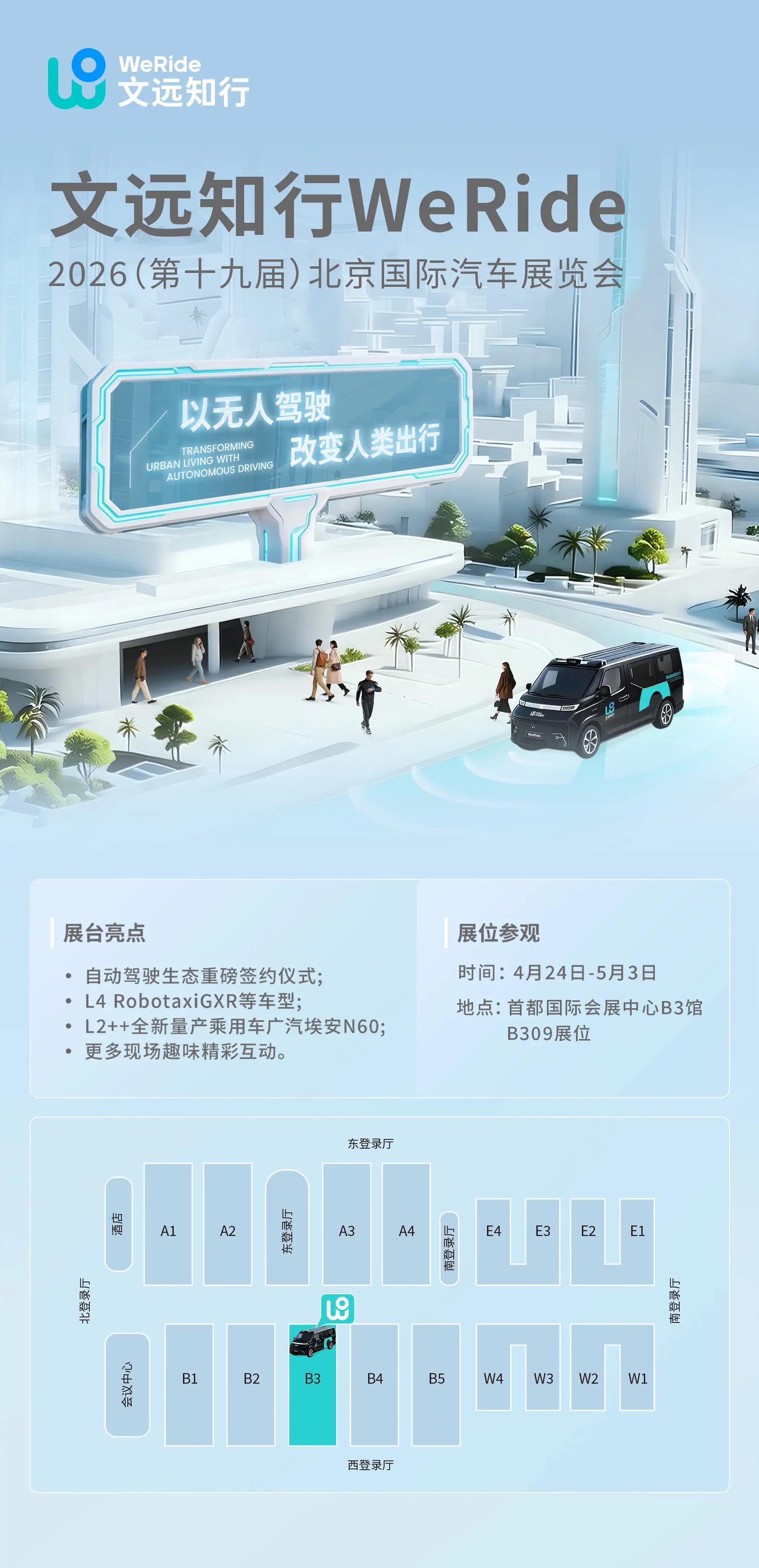
WeRide, an autonomous driving enterprise, said that it will exhibit the Robotaxi GXR and the GAC Aion N60 equipped with L2++ intelligent driving at the Beijing Auto Show; Zhou Guang, the CEO of DeepRoute.ai, revealed that more details of intelligent driving technology will be announced at the Beijing Auto Show, and the technical accumulation of urban NOA this year is expected to promote the implementation of Robotaxi.
(Image source: WeRide)
As a leading enterprise in the domestic ride – hailing industry, Didi has long been deploying in the Robotaxi field and jointly developed the R2 model with GAC. This product is expected to be exhibited at the Beijing Auto Show.
Robotaxi is of great significance to automobile manufacturers or autonomous driving enterprises. It can be used to test autonomous driving technology, collect intelligent driving data, and also serve as a window to display intelligent driving strength.
In addition to autonomous driving enterprises such as WeRide and Pony.ai, automobile manufacturers such as GAC, XPeng, Changan, and BYD have also entered the Robotaxi track in various ways. However, these automobile manufacturers mainly focus on passenger car business, and it is estimated that they will not exhibit many achievements in the field of Robotaxi at the Beijing Auto Show.
The Battle between Chinese and Foreign Automobile Manufacturers Escalates, and the Implementation of Intelligent Driving Takes a Step Further
Competition is an eternal topic in the automotive industry. In the era of fuel – powered vehicles, joint – venture brands had the upper hand, while in the era of new energy vehicles, domestic brands have the upper hand. However, this competition is not over. After entering the joint – venture 2.0 era, joint – venture cars counter – attack domestic brands with the help of Chinese automobile manufacturers and suppliers.
For domestic brands, whether it is in the field of fuel – powered vehicles or new energy vehicles, the competition has never stopped. It’s just that the competitors keep changing. Whether it is the dissemination of technology or the perseverance of technological R & D and configuration upgrade, the purpose of domestic brands is to improve product competitiveness in the target price range. Whether the competitors are joint – venture cars or other domestic brands, it will not change the strategic planning of domestic brands