
Published on
June 29, 2026

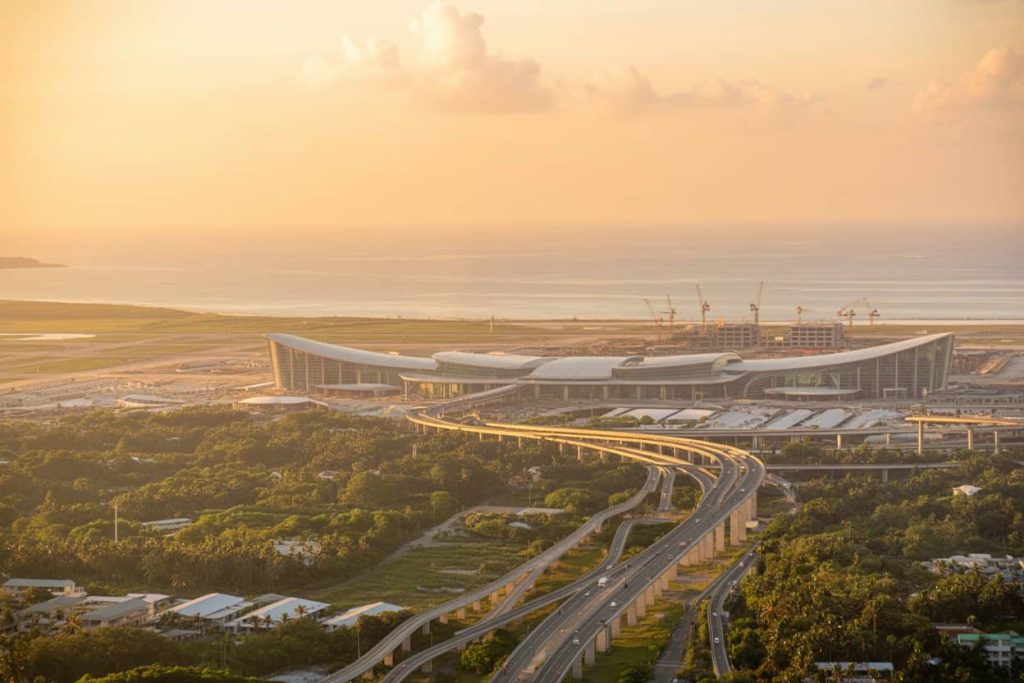
Image generated with Ai
Bangkok Airways Public Company Limited has reinforced its long-term commitment to Thailand’s aviation and tourism infrastructure by approving a fresh capital investment into the U-Tapao International Aviation Company Limited. The move strengthens the ongoing transformation of U-Tapao Airport into a major international aviation and economic hub under Thailand’s Eastern Economic Corridor (EEC) strategy.
The decision reflects a revised development approach aimed at aligning infrastructure expansion with slower-than-expected post-pandemic aviation recovery, while still positioning the airport as a key future gateway for tourism, trade, and regional connectivity.
Major Capital Expansion in U-Tapao Airport City Project
Bangkok Airways has committed a significant investment of THB 2 billion into newly issued ordinary shares of U-Tapao International Aviation Company Limited. This company is responsible for the development and management of the U-Tapao Airport and the surrounding Airport City project.
The investment forms part of a broader capital increase strategy where the company’s registered capital is being raised from THB 15 billion to THB 20 billion, marking an increase of THB 5 billion. The capital expansion is designed to ensure sufficient funding for asset acquisition, infrastructure readiness, and phased operational development.
Other major shareholders, including BTS Group Holdings and Stecon Group, are also participating in the rights offering in proportion to their ownership stakes, ensuring coordinated investment across all stakeholders involved in the project.
This structured financing approach allows the project to maintain liquidity flexibility while aligning capital deployment with construction progress and operational needs.
Advertisement
Advertisement
U-Tapao Airport’s Strategic Transformation Under EEC Framework
The U-Tapao Airport and Eastern Airport City project is one of Thailand’s most ambitious infrastructure developments under the Eastern Economic Corridor initiative. The project is designed to transform the region into a next-generation aviation, logistics, and investment hub.
However, the development plan has now been revised to reflect updated passenger demand forecasts and evolving market conditions. The airport’s initial design capacity has been scaled down from 12 million passengers annually to approximately 3 million passengers.
This strategic adjustment reflects a more realistic recovery trajectory for the aviation sector following global disruptions. Rather than focusing purely on passenger volume growth, the revised plan shifts emphasis toward creating an integrated “Eastern Aerotropolis” model.
This model combines aviation infrastructure with commercial zones, tourism facilities, logistics networks, and investment corridors, making the airport a multi-functional economic engine rather than a traditional transport hub.
Aviation Recovery and Post-Pandemic Market Adjustment
The revision of U-Tapao Airport’s development scope highlights the broader recalibration occurring across the global aviation sector. Passenger volumes remain below pre-pandemic levels, with annual traffic at the airport currently estimated between 300,000 and 400,000 compared to nearly 2 million before the pandemic.
Despite this slowdown, long-term forecasts remain positive due to increasing regional mobility, tourism demand recovery, and Thailand’s positioning as a key Southeast Asian aviation hub.
Advertisement
Advertisement
Bangkok Airways’ investment signals confidence in gradual recovery rather than immediate expansion. The company is aligning its financial strategy with phased infrastructure delivery, ensuring that capital expenditure matches actual demand growth rather than speculative projections.
Infrastructure Development and Construction Timeline
Construction planning for the revised U-Tapao Airport project continues to progress. According to the development schedule, construction of the airport and associated infrastructure is expected to begin either by late 2026 or early 2027, subject to regulatory approvals and final project alignment with government authorities.
The second runway construction is already underway and progressing according to schedule, marking a critical milestone in enhancing future operational capacity.
In parallel, coordination continues with the government on the proposed high-speed rail connection linking Thailand’s three major airports. This rail integration is expected to significantly improve passenger movement efficiency across the region and enhance the airport’s strategic value.
If rail development faces delays, contingency transportation solutions such as shuttle bus systems have been prepared to maintain operational connectivity.
Strategic Importance for Thailand’s Tourism and Investment Ecosystem
The U-Tapao Airport City project is expected to play a major role in reshaping Thailand’s tourism and investment landscape. Once fully operational, the airport will serve as a key gateway to the eastern coastal region, supporting tourism destinations, industrial zones, and new urban developments.
Advertisement
Advertisement
The integration of aviation infrastructure with economic development zones aligns with Thailand’s long-term strategy to decentralise tourism flows from Bangkok and strengthen regional destinations.
The Eastern Aerotropolis concept is particularly significant for attracting foreign direct investment, hospitality development, and logistics expansion. It is also expected to support increased tourist arrivals as Thailand continues to position itself as a global tourism leader in Southeast Asia.
Market Response and Investor Confidence
Following the announcement of the capital investment plan, Bangkok Airways’ stock performance reflected positive investor sentiment, indicating market confidence in the long-term viability of the project.
The phased investment model reduces financial risk while ensuring continued progress on infrastructure development. Analysts view this as a balanced strategy that protects shareholder value while maintaining strategic exposure to one of Thailand’s most important infrastructure projects.
Conclusion
Bangkok Airways’ latest capital injection into the U-Tapao Airport City project highlights a significant step in Thailand’s evolving aviation and tourism strategy. The revised development model prioritises sustainability, phased expansion, and integrated economic planning over aggressive capacity growth.
As Thailand continues to strengthen its position within the ASEAN aviation network, the U-Tapao project stands out as a critical pillar of future connectivity, investment attraction, and regional tourism expansion.
Advertisement
Advertisement
