
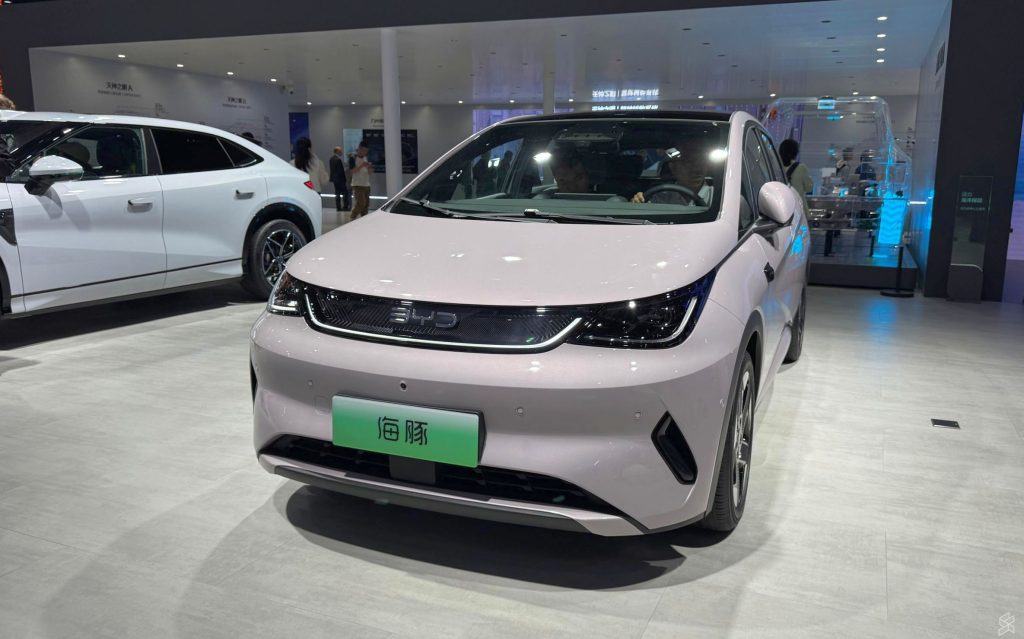
Malaysia’s EV policy is back in focus, following growing debate over the conditions surrounding BYD’s local assembly plans in Tanjung Malim which is supposed to start this year. While the headlines may point to a single Chinese brand, the issue goes much deeper.
In this episode of Let’s Talk About, Amin and Alex unpack what’s actually happening behind the controversy involving the Ministry of Investment, Trade and Industry (MITI), and why it matters for the wider EV market and consumers in Malaysia.
Much of the discussion stems from reports highlighting new requirements for local EV (CKD) production which include 80% export conditions and minimum pricing of RM100,000 (Previously reported at RM200,000). These quickly triggered backlash, raising concerns that such measures could limit access to more affordable EVs.
MITI has since clarified that these conditions are not exclusive to BYD but for any new CKD entrant from September 2025, except for those who are using existing local assembly facilities.
This situation has highlighted a bigger concern. Malaysia needs a clear, transparent and consistent policy direction.
As discussed in the episode, this isn’t just about BYD. It’s about how Malaysia wants to positions itself as an EV production hub at a time when adoption is gaining momentum locally and the need for Malaysia to be energy independent. With EV registrations hitting record highs, any uncertainty around policy risks slowing progress, especially if it impacts pricing and accessibility for consumers.
The conversation also explores the potential impact on industry players. Local assembly is often seen as a key pathway to lower costs and wider adoption, but stricter or unclear requirements could delay investment decisions and affect how quickly EVs become more accessible in the Malaysian market.
At the same time, there’s a need to strike a balance. Supporting local industry development is important, but it must be aligned with the broader goal of accelerating EV adoption. Policies that are perceived as restrictive could undermine that objective if they create unnecessary barriers instead of supporting growth and access to affordable EVs.
Are Malaysians comfortable of allowing Proton and Perodua dominate the sub-RM100,000 EV segment? or should we allow some competition to ensure consumers get better choices?
Ultimately, this episode raises an important question: Are current policies helping Malaysia move forward in its EV journey, or are they introducing new friction at a time when momentum is building?
As always, Let’s Talk About breaks down the issue beyond the headlines, offering a grounded perspective on what this means for consumers, industry players and the future of mobility in Malaysia.