
Published on
July 17, 2026

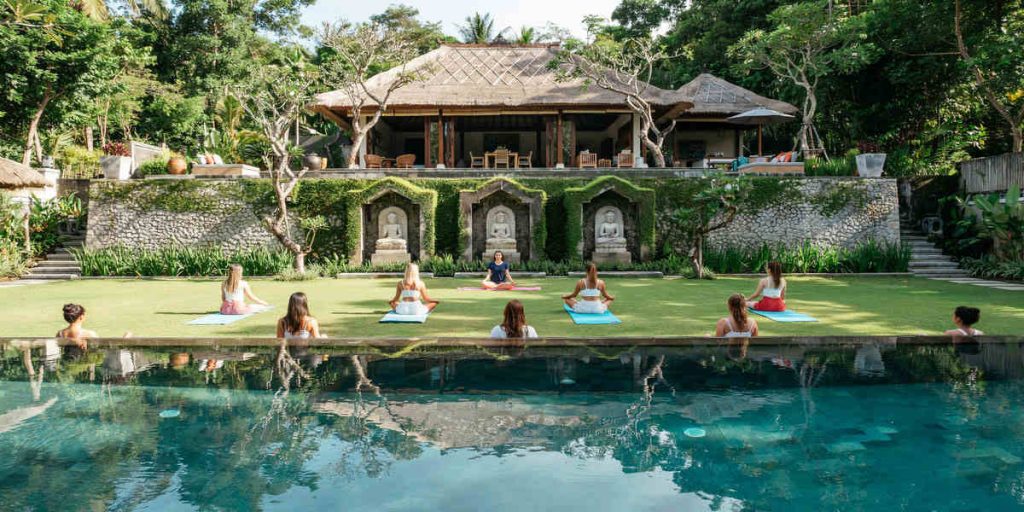
Image generated with Ai
Indonesia is strengthening its position in the fast-growing wellness tourism market by launching the Wonderful Indonesia Wellness programme to attract travellers seeking authentic cultural, health and wellbeing experiences. The initiative will showcase Indonesia’s traditional wisdom, natural landscapes and heritage practices through the Royal Surakarta Wellness Festival and Jogja Cultural Wellness Festival, as the country aims to compete with established wellness destinations such as Thailand, India, Singapore, Japan and Malaysia. As global travellers increasingly prioritise meaningful journeys, holistic wellbeing and deeper cultural connections, Indonesia is transforming its ancient traditions, herbal knowledge and local experiences into a new generation of high-value tourism offerings.
Indonesia is strengthening its position in the fast-growing wellness tourism market with the launch of the Wonderful Indonesia Wellness programme, a national initiative designed to attract travellers seeking cultural immersion, traditional healing, healthy lifestyles and meaningful experiences. The programme places Indonesia alongside established wellness tourism destinations including Thailand, India, Singapore, Japan and Malaysia, which have built strong global reputations through medical tourism, traditional therapies, luxury retreats and holistic wellbeing experiences. By combining Javanese heritage, natural landscapes, indigenous knowledge and modern wellness concepts, Indonesia aims to capture a larger share of the growing global wellness economy.
Indonesia Launches Major Wellness Tourism Push to Capture Rising Global Demand
Indonesia is entering a new phase of tourism development as it places wellness tourism at the centre of its strategy to attract higher-value travellers. The country is moving beyond traditional sightseeing by promoting experiences focused on health, relaxation, cultural connection and personal transformation.
Tourism Minister Widiyanti Putri Wardhana has identified wellness tourism as one of Indonesia’s priority sectors, recognising the growing global demand for journeys that provide physical, emotional and spiritual benefits. The government believes travellers are increasingly searching for authentic experiences that connect them with local traditions rather than simply visiting famous attractions.
To strengthen this position, Indonesia will introduce the Wonderful Indonesia Wellness programme throughout November 2026. The initiative will combine cultural heritage with wellness activities through two major events: the Royal Surakarta Wellness Festival and the Jogja Cultural Wellness Festival.
The programme represents Indonesia’s ambition to compete with leading wellness destinations across Asia by transforming traditional knowledge, cultural practices and natural resources into premium tourism experiences.
Advertisement
Advertisement
Indonesia Uses Javanese Heritage to Build a Unique Wellness Identity
Indonesia’s biggest advantage in wellness tourism lies in its cultural diversity and centuries-old traditions. Unlike destinations that mainly focus on modern health facilities, Indonesia aims to create experiences where culture and wellbeing are deeply connected.
The Royal Surakarta Wellness Festival will showcase Javanese traditions through immersive programmes designed around relaxation, mindfulness and cultural discovery. Visitors will experience activities such as Javanese Wisdom Immersion, Gending for Therapy, Royal Dance Symphony, A Holy Journey and Javanese Secret Recipe.
Advertisement
Advertisement
These experiences highlight Indonesia’s belief that wellness is not limited to physical health. Instead, it includes harmony between the body, mind, environment and cultural identity.
The Jogja Cultural Wellness Festival will expand this concept through programmes focused on healthy cuisine, herbal traditions, sustainable living, natural beauty and family wellbeing. By combining local knowledge with modern traveller expectations, Indonesia is creating a wellness tourism model based on authenticity.
Thailand Remains Asia’s Leading Wellness Tourism Competitor With Luxury Retreats and Traditional Healing
Thailand has established itself as one of Asia’s strongest wellness tourism destinations through its combination of luxury resorts, traditional therapies, medical services and spa experiences.
The country has successfully positioned destinations such as Bangkok, Phuket, Chiang Mai and Koh Samui as global wellness hubs. Thailand’s wellness tourism appeal comes from its integration of traditional Thai massage, herbal treatments, meditation practices and high-end wellness resorts.
Advertisement
Advertisement
Thailand’s tourism industry has benefited from travellers seeking affordable yet premium wellbeing experiences. International visitors often combine leisure holidays with wellness treatments, rehabilitation programmes, detox retreats and holistic therapies.
For Indonesia, Thailand represents one of the strongest competitors in the region. However, Indonesia aims to differentiate itself by focusing on cultural heritage, indigenous traditions and community-based wellness experiences.
While Thailand has built a reputation around spa and relaxation tourism, Indonesia is positioning wellness travel around deeper cultural engagement and transformative journeys.
India Brings Ayurveda and Yoga Strength to the Global Wellness Tourism Competition
India remains one of the world’s most recognised wellness tourism destinations because of its ancient health traditions, especially Ayurveda and yoga.
The country has developed a powerful wellness identity based on natural healing, meditation, spiritual practices and traditional medicine systems. Destinations including Kerala, Rishikesh and Goa attract travellers looking for yoga retreats, Ayurvedic therapies and holistic health programmes.
India’s strength comes from centuries of knowledge that connect physical wellbeing with mental and spiritual balance. Ayurveda-based treatments, wellness resorts and yoga centres have created a global following among travellers searching for alternative health experiences.
Advertisement
Advertisement
Indonesia’s emerging wellness strategy shares similarities with India’s approach by using traditional knowledge as a tourism asset. However, Indonesia’s focus remains centred on Javanese philosophy, cultural rituals, local cuisine and island-based experiences.
The competition between Indonesia and India highlights the growing importance of authentic heritage-based wellness tourism across Asia.
Singapore Combines Medical Excellence With Premium Wellness Experiences
Singapore has developed a different model of wellness tourism by combining advanced healthcare services with luxury hospitality and lifestyle experiences.
The city-state is recognised as a leading medical tourism destination, attracting travellers seeking specialist healthcare, preventive treatments and high-quality wellness services. Its reputation is supported by modern infrastructure, international hospitals and premium hospitality offerings.
Beyond healthcare, Singapore has expanded into lifestyle wellness through luxury wellness centres, fitness programmes, healthy dining concepts and integrated resorts.
Indonesia faces competition from Singapore in attracting high-spending travellers. However, Indonesia’s advantage lies in its natural environment, cultural depth and traditional practices that offer experiences beyond clinical wellness.
Advertisement
Advertisement
While Singapore focuses heavily on innovation and healthcare excellence, Indonesia is building a wellness identity based on heritage, nature and emotional connection.
Japan Offers Mindfulness, Nature and Traditional Wellness Experiences
Japan has become an influential wellness tourism destination through its unique combination of ancient traditions, natural landscapes and modern lifestyle practices.
Japanese wellness experiences often include hot spring tourism, known as onsen, forest bathing, mindfulness practices and traditional cuisine. Destinations across Japan attract visitors seeking relaxation, balance and connection with nature.
The country’s wellness philosophy is strongly connected with simplicity, harmony and respect for the natural environment. This approach has created strong appeal among travellers seeking slower and more meaningful travel experiences.
Indonesia shares similarities with Japan through its focus on cultural traditions and nature-based wellness. Both countries use heritage as a key tourism asset.
However, Indonesia aims to create a distinctive position through its tropical landscapes, diverse communities and traditional practices from regions such as Java and Bali.
Advertisement
Advertisement
Malaysia Expands Wellness Tourism Through Accessibility and Regional Connectivity
Malaysia has also emerged as an important wellness tourism destination in Southeast Asia by combining healthcare, hospitality and cultural experiences.
The country has promoted medical tourism alongside wellness retreats, nature experiences and lifestyle-focused travel. Destinations such as Kuala Lumpur, Penang and Langkawi attract visitors seeking healthcare services, relaxation and island wellness escapes.
Malaysia benefits from strong regional connectivity and competitive tourism infrastructure. Its multicultural identity also allows visitors to experience diverse food traditions, cultural practices and wellbeing activities.
Indonesia and Malaysia share geographical and cultural connections, but Indonesia’s new wellness programme seeks to create stronger differentiation through traditional Indonesian philosophies and heritage-based experiences.
Global Wellness Economy Creates New Tourism Opportunities
Indonesia’s wellness tourism expansion comes as the global wellness economy continues to grow rapidly. According to the Global Wellness Institute, the worldwide wellness economy reached US$6.8 trillion in 2024 and is projected to grow to US$9.75 trillion by 2029.
This growth reflects a major shift in traveller behaviour. Visitors are increasingly prioritising wellbeing, sustainability, cultural learning and personal enrichment when choosing destinations.
Advertisement
Advertisement
Artificial intelligence and digital technology are also influencing travel habits. As daily life becomes more technology-driven, travellers are searching for genuine human connections and authentic experiences.
Indonesia believes its cultural heritage provides a strong opportunity to meet this demand.
Indonesia Targets Higher-Value Travellers Through Wellness Tourism Growth
The development of wellness tourism supports Indonesia’s broader goal of increasing tourism quality rather than focusing only on visitor numbers.
The country aims to encourage longer stays, greater visitor spending and stronger community participation by creating specialised tourism products.
The Wonderful Indonesia Wellness programme could become an important platform for showcasing Indonesia’s cultural assets while supporting local economies. Traditional practitioners, hospitality businesses, wellness operators and communities are expected to benefit from the expansion of this sector.
With growing competition from Thailand, India, Singapore, Japan and Malaysia, Indonesia’s success will depend on how
Advertisement
Advertisement
Indonesia is expanding its wellness tourism ambitions by introducing a national programme that combines cultural heritage, traditional healing and personalised wellbeing experiences to compete with leading destinations such as Thailand, India, Singapore, Japan and Malaysia. The Wonderful Indonesia Wellness programme aims to attract travellers seeking meaningful journeys by showcasing Javanese traditions, nature-based experiences and holistic wellness practices.
Indonesia is positioning itself as a rising force in Asia’s wellness tourism market by launching a national programme that combines cultural heritage, traditional knowledge and personal wellbeing. While Thailand, India, Singapore, Japan and Malaysia have already established strong wellness tourism identities, Indonesia is building a distinctive model based on Javanese traditions, natural landscapes and authentic cultural experiences. As travellers increasingly seek meaningful journeys, Indonesia’s focus on wellness tourism could open new opportunities for premium travel growth, destination diversification and stronger global recognition.
Advertisement
Advertisement
