
Malaysia is turning a diplomatic setback into a push for greater defence independence.
After Norway blocked the export of Naval Strike Missiles (NSM) intended for the Royal Malaysian Navy’s Littoral Combat Ships, Kuala Lumpur is now looking to reduce its dependence on foreign weapons suppliers, Nghê An reports.
The NSM deal, signed in 2018 with Norwegian defence company Kongsberg Defence & Aerospace, was meant to equip Malaysia’s new ships with advanced anti-ship capabilities. However, Norway later revoked the export licences, citing stricter controls on sensitive defence technology.
Malaysia reacted strongly to the decision. Prime Minister Anwar Ibrahim warned that such moves could damage trust in European defence suppliers, while Defence Minister Mohamed Khaled Nordin described the situation as “shocking” for a contract that had already been largely paid for.
The dispute has accelerated Malaysia’s interest in building more domestic defence capabilities. Instead of relying entirely on international suppliers, the country is exploring ways to strengthen its own defence industry and develop local production capacity.
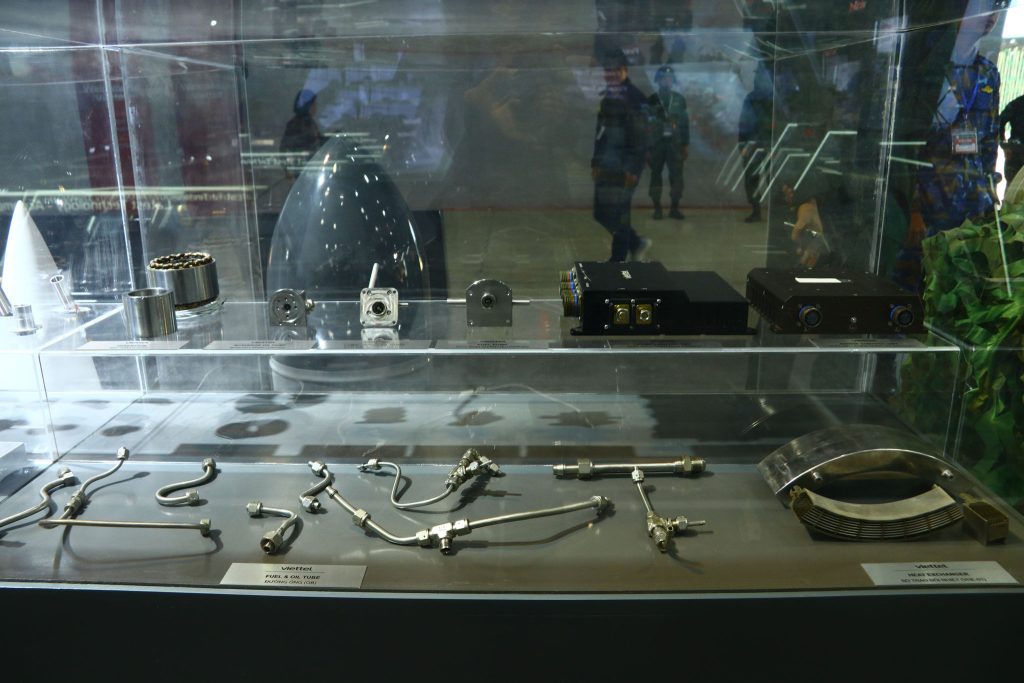
Vietnam has emerged as a regional example for Malaysia. Through investments in its defence sector, Vietnam has developed greater control over parts of its own missile and defence technology, reducing reliance on foreign suppliers.
The country is now looking for alternative missile systems while also moving towards a long-term goal of becoming more self-reliant in defence production.