
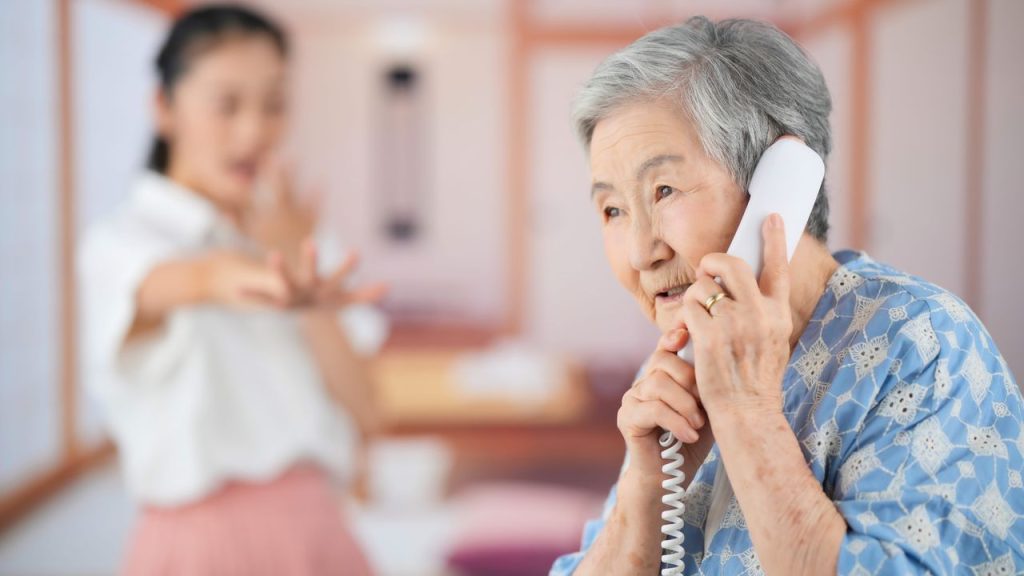
Consultations with consumer affairs center in Japan indicate that scammers are increasingly targeting seniors with dementia.
Victims Often Unaware of Fraud
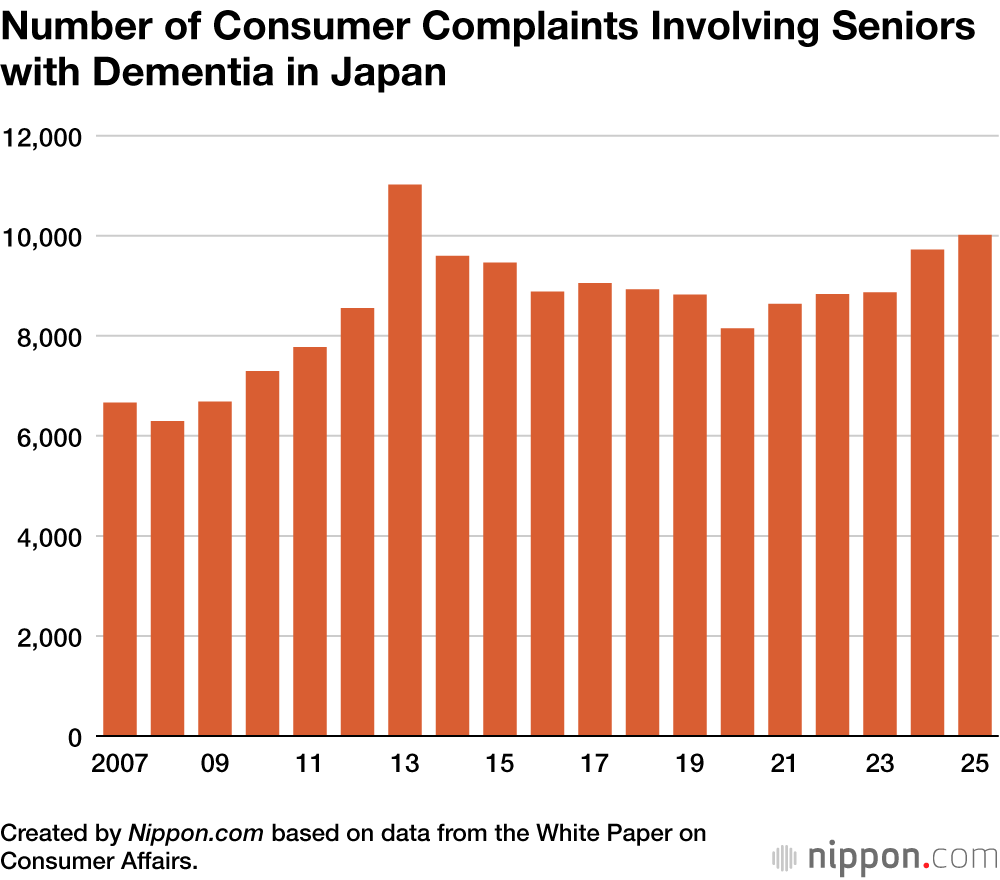
According to a 2026 white paper by Japan’s Consumer Affairs Agency, the number of consultations made with consumer affairs centers nationwide by seniors with dementia or their family members totaled 10,020 cases in 2025, marking the fifth consecutive annual increase. Based on the statistics that have been gathered every calendar year since 2007, this is the highest figure since 2013, when scams involving the delivery of unordered goods were particularly widespread.
Examples of scams cited in the white paper include a case where an elderly woman with dementia was visited by salespeople in her home, who persuaded her to purchase health supplements and expensive bedding. Because people with dementia may be unable to properly understand the nature of products and services, they are often inclined to buy whatever salespeople recommend.
In many cases, the victims are not adequately aware of the fact they have been defrauded, so that consumer affairs centers are only contacted when a family member or others around them happen to notice that something is wrong. Of all complaints filed in 2025, only 25.8% were submitted by the victims themselves, while the remaining 74.2% were made by someone else on their behalf.
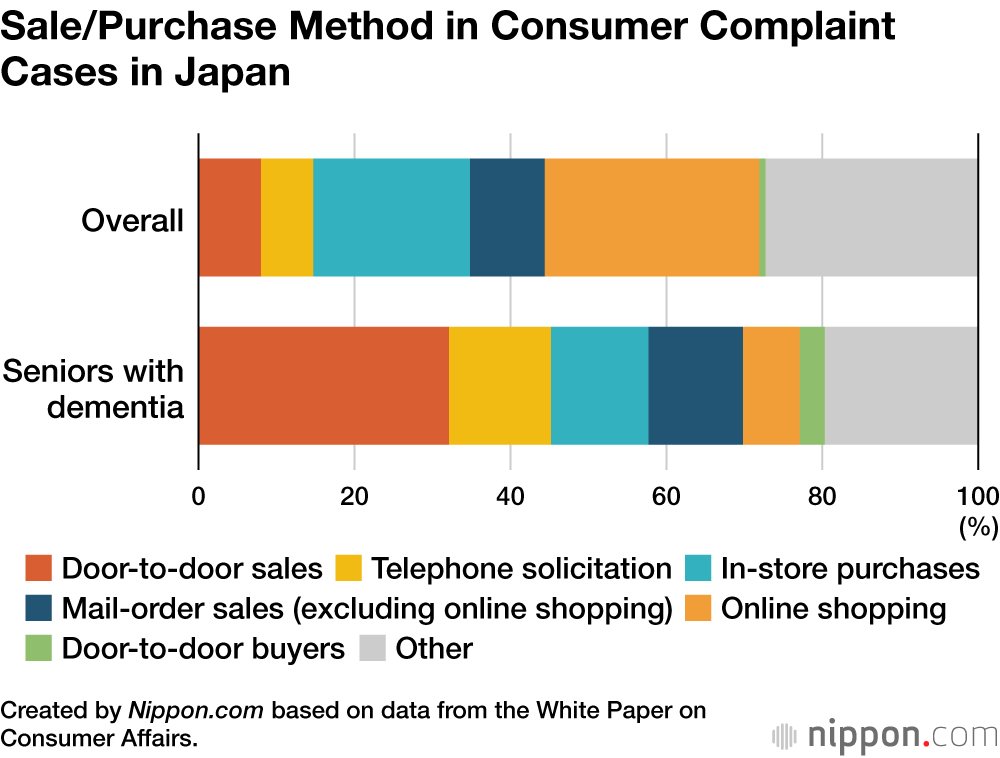
In total, 45.2% of all cases involved door-to-door sales or telephone solicitation. Rather than making purchases of their own accord, many seniors are subjected to unsolicited sales pitches by businesses, including cases that may involve some sort of scam.
Concerning malicious sales tactics and consumer disputes, the Act on Specified Commercial Transactions requires businesses to disclose important information and comply with other consumer-protection measures. An official at the agency notes that “not all of the cases reported involved violations of the act,” but indicated the need for “caution” given the increase in the number of complaints that have accompanied the aging of Japan’s population.
Data Sources
(Translated from Japanese. Banner photo © PhotoAC.)