
by Alimat Aliyeva
Japan Ministry of Defense is preparing a revision of three key
national security and defense documents in response to increasing
regional threats and the rapid evolution of modern warfare
technologies, AzerNEWS reports.
The discussions are focused not only on adapting the Japan
Self-Defense Forces to new operational environments, but also on
the practical deployment of emerging military capabilities across
land, sea, air, and space domains.
According to a report by the Washington-based Hudson Institute
think tank, particular attention is being placed on the development
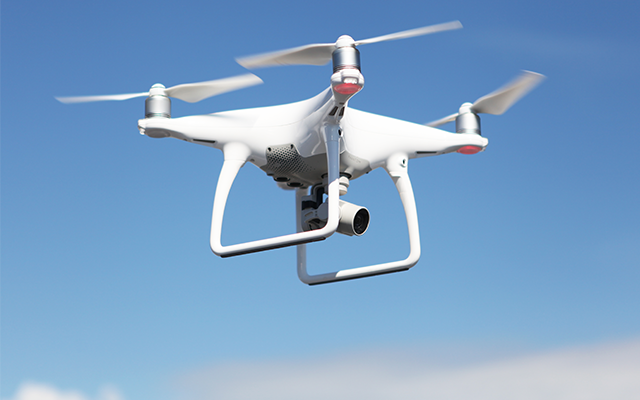
of unmanned systems and improved defenses against large-scale drone
and missile attacks, which are becoming a defining feature of
contemporary conflicts.
Analysts also point to the continued expansion of China’s
military capabilities, including advancements in long-range
aviation and strategic strike systems, which could significantly
alter the balance of power in the Indo-Pacific region.
Japan’s geography, consisting of thousands of islands stretching
across a vast maritime area, creates unique vulnerabilities in air
and missile defense. This has increased the need for a
multi-layered defense network combining early-warning systems,
interceptor missiles, and space-based surveillance
capabilities.
The report further emphasizes the importance of investing in
autonomous platforms, underwater drones, and distributed force
structures designed to operate more flexibly and survive in highly
contested environments.
A key strategic shift highlighted by experts is the growing
emphasis on “counterstrike capability” — the ability to detect and
neutralize potential threats before they can launch an attack. This
reflects a broader change in defense doctrine from purely reactive
defense to proactive deterrence.
An interesting development is Japan’s increasing collaboration
with allied nations, particularly the United States, in areas such
as missile defense integration, artificial intelligence-driven
battlefield awareness, and joint development of next-generation
unmanned systems. This cooperation is gradually reshaping the
security architecture of the Indo-Pacific region and reinforcing
Japan’s role as a central security actor in East Asia.