
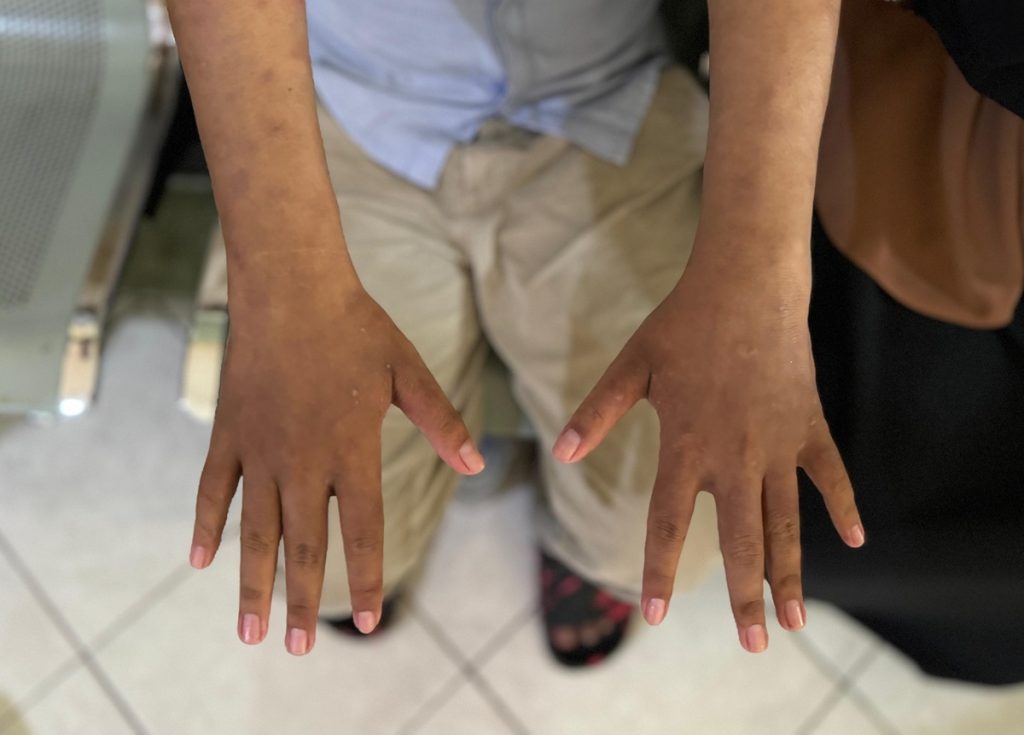
Neglected tropical diseases continue to affect millions of people in Indonesia, especially those living in poor, remote and underserved areas. Diseases such as leprosy, rabies and schistosomiasis cause illness and death, often in communities with limited access to basic health services. Many people struggle to reach clinics for diagnosis, treatment and referrals, allowing disease transmission to continue. In the case of leprosy, long-term illness can also lead to disability and stigma, affecting livelihoods, education and social inclusion.
Although Indonesia has long-standing national programmes to control these diseases, progress towards elimination has slowed. One major challenge is the absence of a clear legal framework. Responsibilities are shared across several ministries and different levels of government, but roles and obligations are not clearly defined. This has made coordination difficult, weakened accountability and resulted in uneven funding, particularly at local level.
This has contributed to Indonesia remaining among the countries with the highest number of new leprosy cases globally, reporting more than 14,000 cases each year. Meanwhile, rabies continues to cause deaths in several provinces and schistosomiasis remains in specific areas of Central Sulawesi.
Responding to the challenge, the Ministry of National Development Planning (Bappenas), with technical support from WHO, initiated a national background study in 2025 to inform the development of a Presidential Regulation on neglected tropical diseases control. The study focuses on leprosy, rabies and schistosomiasis, and aims to provide evidence to guide policy decisions. The process was formally launched through a national kick-off meeting on 8 September 2025, bringing together ministries, development partners and other stakeholders to agree on shared priorities.
To ensure the regulation reflects realities on the ground, field visits were conducted between August and September 2025 to endemic provinces. These included West Kalimantan, Maluku, Central Sulawesi, Bali and West Nusa Tenggara. Visits to districts and cities such as Kubu Raya, Landak, Ambon, Poso, Donggala, Buleleng and Manggarai Barat highlighted persistent challenges in service delivery, surveillance, financing and cross-sector collaboration. The findings reinforced the need for a strong legal basis to support joint and sustained action.
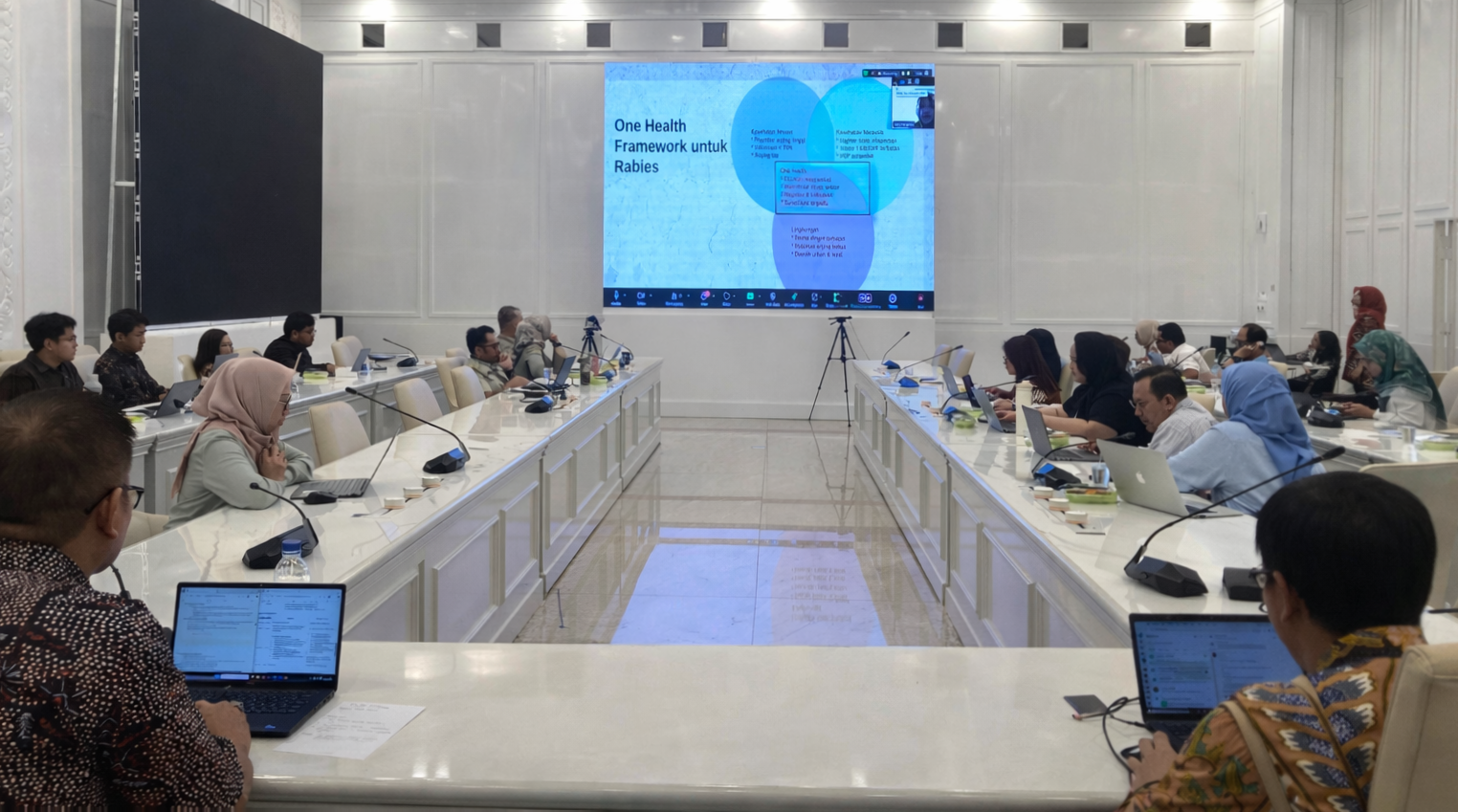 Debriefing meeting at Bappenas following a field assessment visit, held to inform stakeholders on progress towards the development of the Presidential Regulation on Neglected Tropical Diseases control, including leprosy, rabies and schistosomiasis. Credit: Bappenas
The proposed regulation will serve as a binding policy for ministries such as the Bappenas, Ministry of Home Affairs and Ministry of Health, as well as for provincial and district governments. It will guide local planning agencies to adapt national commitments into regional policies and budgets. By setting clear responsibilities and expectations, it will aim to secure sustainable funding and ensure consistent support for disease elimination. Aligned with the WHO Roadmap for Neglected Tropical Diseases 2021–2030, the regulation will strengthen national leadership, improve cooperation across sectors and help protect vulnerable communities.
The background study and field visits were carried out in close collaboration with NLR Indonesia, which provided technical guidance and support. NLR Indonesia will continue to assist coordination and technical discussions as the drafting process moves forward. The regulation is expected to be finalised and launched in 2027, providing a long-term foundation to reduce inequality and accelerate progress towards ending neglected tropical diseases in Indonesia.
Written by Ajib Diptyanusa, National Consultant for Malaria and Vector-Borne Diseases, and Maria Regina Christian, National Professional Officer (Tuberculosis), WHO Indonesia