
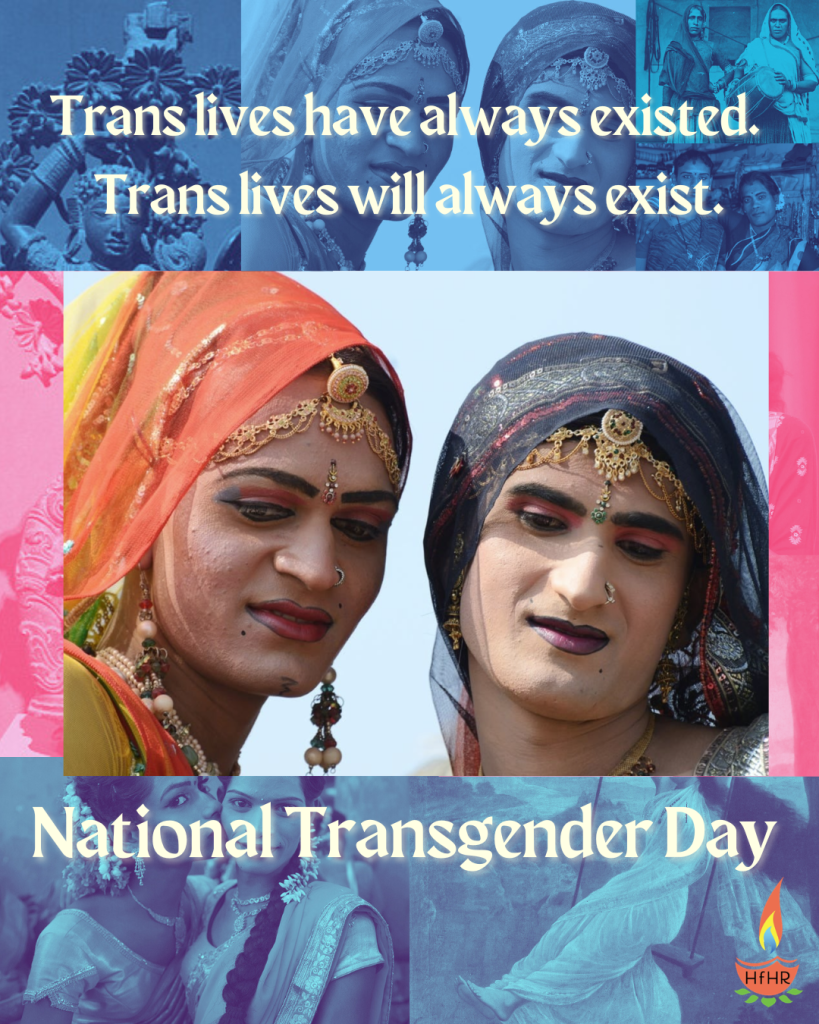
When a government takes away self-identification, it is not merely revising procedure. It is asserting control over the deepest parts of a person’s life. It is saying that your name, your body, your documents, your future, and even your social legibility can be filtered through state approval. For marginalized people, this kind of control is never abstract. It shapes access to healthcare, housing, education, work, mobility, family recognition, and safety. It determines who is seen as real and who is pushed into administrative shadow.
The protests erupting across India have understood this clearly. Demonstrations have taken place in Delhi, Bengaluru, Mumbai, Pune, Lucknow, Madurai, and other cities, with participants warning that the law erases many trans people, criminalizes lived realities, and turns identity into something the state can police. In Delhi, hundreds gathered at Jantar Mantar demanding rollback. In Bengaluru, recent protests at Freedom Park again centered opposition to medical certification, privacy violations, and the exclusion of gender-diverse communities from recognition.
The resistance has moved into the courts as well. Challenges to the 2026 law are now being heard in the Delhi and Kerala High Courts, with petitioners arguing that the amendment rolls back constitutional protections and replaces self-identification with a rigid, medically determined framework controlled by the state. That matters because this is not only a political dispute. It is also a constitutional one. NALSA did not frame gender identity as a discretionary matter. It located it within equality, liberty, dignity, and self-expression.