

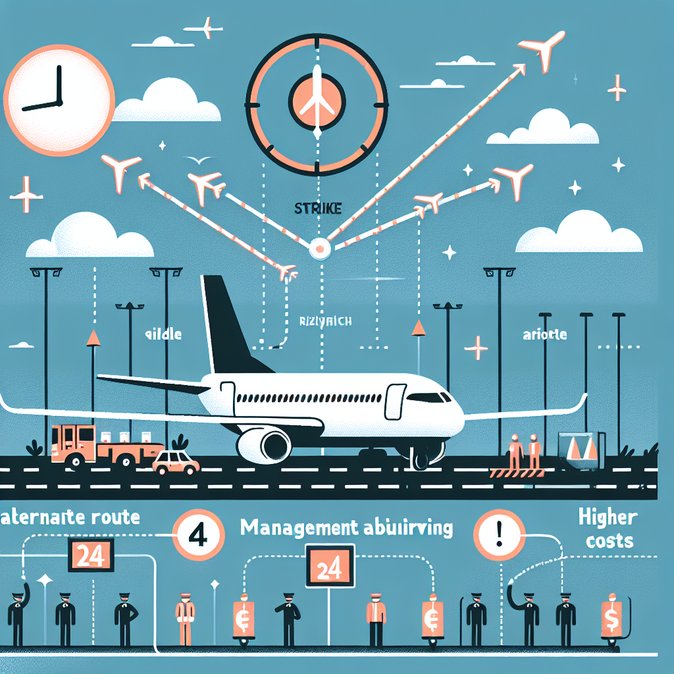
German flag-carrier Lufthansa was forced to ground more than 500 flights on 12 April after the UFO cabin-crew union launched a 24-hour walk-out covering Frankfurt and Munich. The stoppage, timed to hit the post-Easter rush, stranded an estimated 90,000 passengers—including hundreds of India-bound travellers booked on the airline’s daily services to Delhi, Mumbai and Bengaluru and on codeshares with Air India and Vistara. Lufthansa says it salvaged roughly one-third of its schedule by up-gauging aircraft and re-accommodating some customers on Austrian Airlines and Swiss, but long-haul links to Asia suffered the heaviest cuts. Check-in agents at Frankfurt told Hindustan Times the Delhi service (LH 760/761) was scrubbed outright, while Mumbai (LH 756/757) operated with a 17-hour delay. Mumbai-based relocation firm Provana Mobility reported four corporate assignees missed handover meetings in Germany and had to switch to Emirates routings at short notice—adding ₹38,000 per traveller to project costs. The industrial dispute centres on pay parity and roster stability; UFO is demanding an automatic inflation clause to cover the sharp rise in living costs, while management says any deal must recognise the airline’s still-fragile post-pandemic balance sheet. Talks resume on 15 April, but the union has warned of “escalating waves” of strikes if progress stalls. For Indian businesses the immediate task is triage. Mobility teams with German footprints are advising travellers to build in 48-hour buffers, monitor rebooking windows via the Lufthansa app and secure Schengen visa validity long enough to absorb forced stopovers.
At this juncture, travellers scrambling to confirm that their Schengen paperwork will still be valid for an unexpected detour can lean on VisaHQ’s India portal (https://www.visahq.com/india/) for rapid visa checks and renewals. The platform’s concierge team walks corporate mobility departments or individual passengers through extension options, courier submission schedules and embassy appointment availability, reducing the risk of being stranded in Europe with an expired document.
Freight forwarders also face ripple effects: Lufthansa Cargo diverted high-value pharma consignments to Turkish Cargo, raising cold-chain complexities. Longer term, the strike underlines the concentration risk of relying on a single European hub carrier, especially for east-west assignments. Policy reviews under way at several Indian multinationals include broader use of Gulf hubs, split-ticketing to mitigate EU261 compensation exposure, and contractual clauses that pass extra hotel costs on to service suppliers when industrial action hits.