
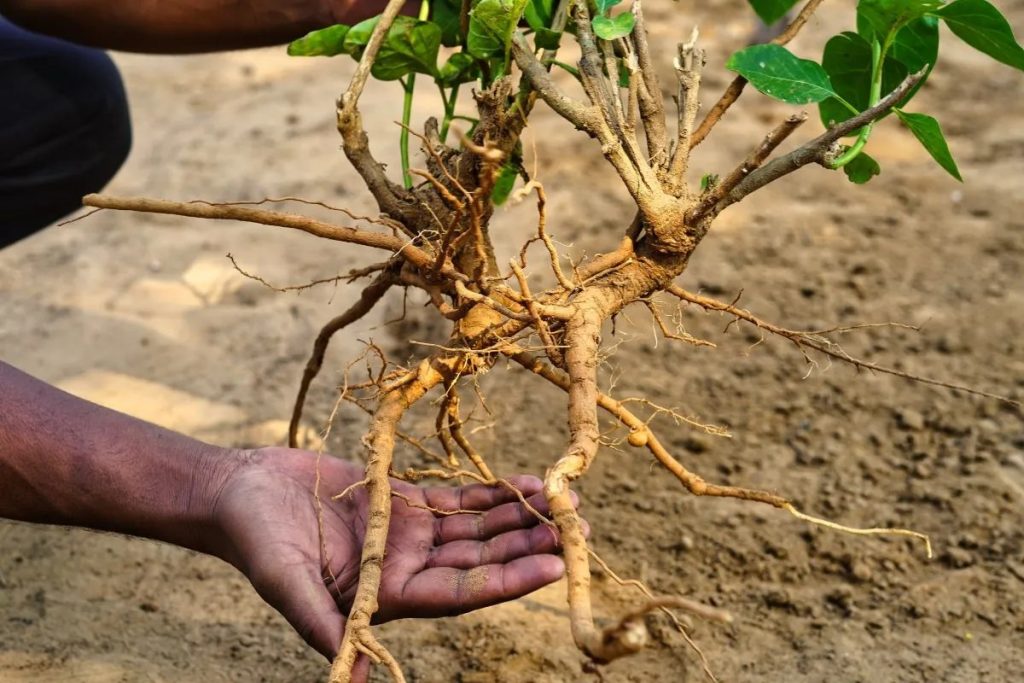
The Ashwagandha Standards Alliance (ASA) has launched a global membership initiative in response to India’s Ministry of AYUSH (Ayurveda, Yoga & Naturopathy, Unani, Siddha, Sowa-Rigpa, and Homeopathy) recent labeling of all ashwagandha leaves as “adulterated” or “unsafe,” arguing for an issue more complex than “root good, leaf bad.”
ASA is a coalition of responsible stakeholders that works globally to advance communication and the standards of ashwagandha. It was created to strengthen industry and public understanding of the herb to help create evidence-based products. Some of the founding members include Sabinsa, Cepham, and Arjuna Naturals.
The new ASA initiative will focus on responsible communication, scientific dialogue, practical education, clear expectations for quality, analytical methods, safety, transparency, and labeling of ashwagandha.
The membership comes at a time when opinions on the Ayurvedic botanical have become increasingly divided. Kerry recently also launched Safeguard Ashwagandha, an online platform to address the botanical’s safety concerns. Information about its safety and regulatory interpretations is still inconsistent across markets, flags the ASA.
“Ashwagandha has earned confidence around the world. Our job is to help keep the conversation grounded in facts, not fear, and to support standards that match the importance of this plant in global health and wellness,” says Blake Ebersole, co-founding member of ASA.
The alliance is inviting suppliers, brands, manufacturers, testing laboratories, researchers, clinicians, trade organizations, media professionals, educators, consumers, consumer-facing stakeholders, and other responsible participants to join the alliance.
Polarized views
The Food Safety and Standards Authority of India (FSSAI) previously deemed ashwagandha root safe for nutritional supplements, while advising against using its leaf in various shapes for food products.
In April this year, the FSSAI published its latest advisory against using leaf, in any type or form, such as crude or extracts, for dietary supplements and food products.
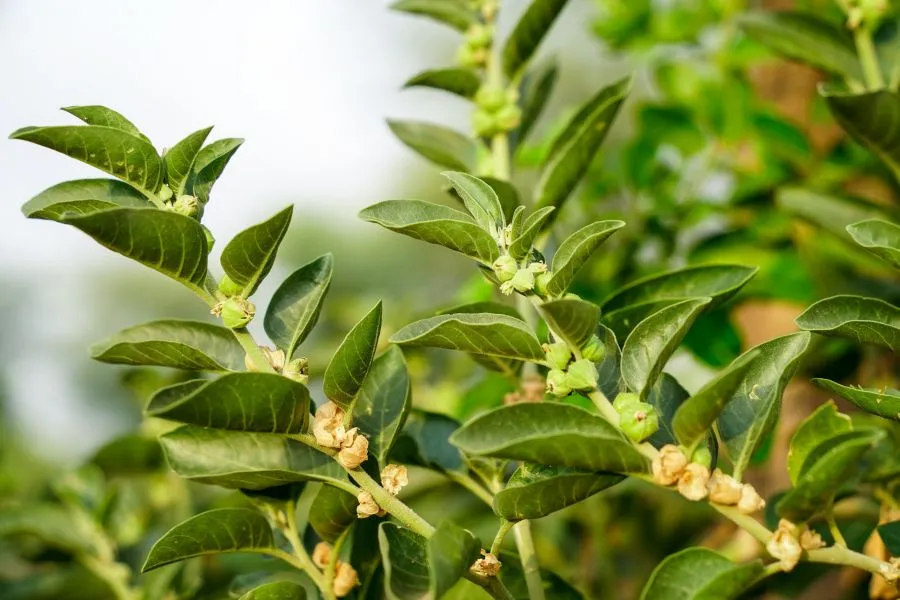 In April this year, the FSSAI published its latest advisory against using leaf for dietary supplements and food products.Similar moves have been made by India’s Ministry of AYUSH, as it urges sellers, exporters, and product manufacturers to only use roots rather than leaves.
According to the ASA, these moves have underscored the need for clearer distinctions between adulteration and true labeling of science-backed ashwagandha ingredients.
The alliance says it supported successful industry efforts in April this year, which resulted in an interim stay from the Karnataka High Court on FSSAI’s attempt to restrict leaf use in commerce — a temporary court order pausing this action.
The ASA sees this as an important opportunity to gain a “fuller legal, scientific, and regulatory review before broad restrictions are allowed to affect compliant and transparent manufacturers and responsible brands.”
“Undeclared substitution of plant parts should be taken seriously,” says Ebersole. “But we shouldn’t conflate this with the real issue being ignored — truthfully labeled, Good Manufacturing Practice-manufactured products should be evaluated on what evidence supports their safe use.”
Botanical experts previously underscored that a decent amount of data exists to address most of the growing safety concerns of ashwagandha among European food safety authorities. The concerns include the botanical’s purported use as an abortifacient, indications of an influence on thyroid and immune function, and potential hepatotoxicity.
Aligning for science and information
The alliance’s work focuses on six different priorities: safety, quality, education, analytical harmonization, transparency, and public trust.
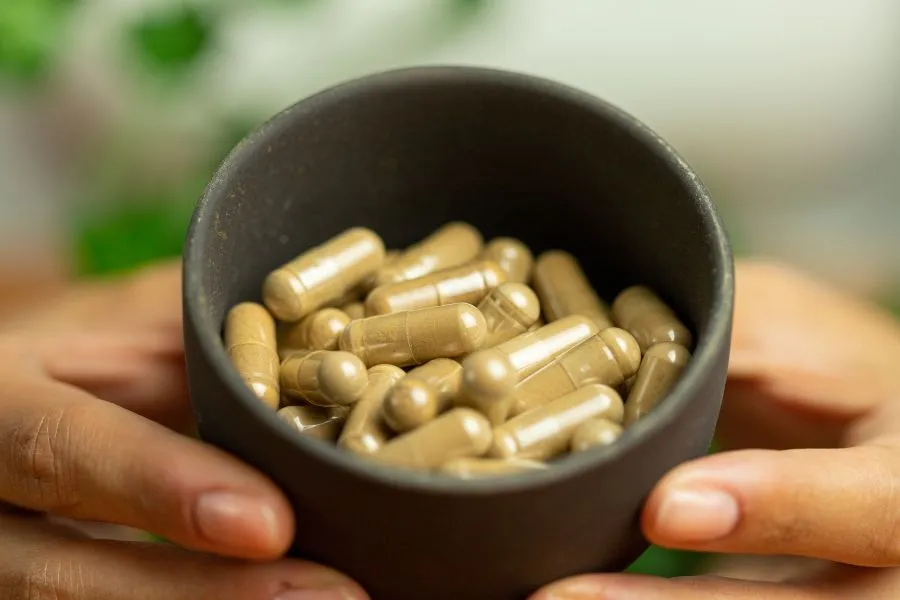 Moving forward, the alliance suggests a framework to protect consumers while preserving public trust.The membership was not created to defend ashwagandha’s commercial position, as it is not a trade group or marketing coalition. Instead, it aims to be a “globally credible, scientifically grounded, and structurally independent initiative” to provide accurate information for a global audience.
“We are working across the global regulatory and supply chain,” says Trish Flaster, co-founding member of ASA. “The point is to support disciplined expert review, transparent dialogue, and clear public education.”
Moving forward, the alliance suggests a framework to protect consumers while preserving public trust. It aims to strengthen confidence among suppliers, brands, retailers, researchers, regulators, health professionals, consumers, and farmers in using ashwagandha.
“Science-based standards help to create a stronger path toward product quality and public confidence,” says Flaster. “This is the foundation ASA is working to build with members across the global ashwagandha community.”
“Ashwagandha, along with farmers, consumers, and everyone across the value chain, deserves the honesty and integrity that has already been invested into this useful, safe plant,” concludes the ASA.