
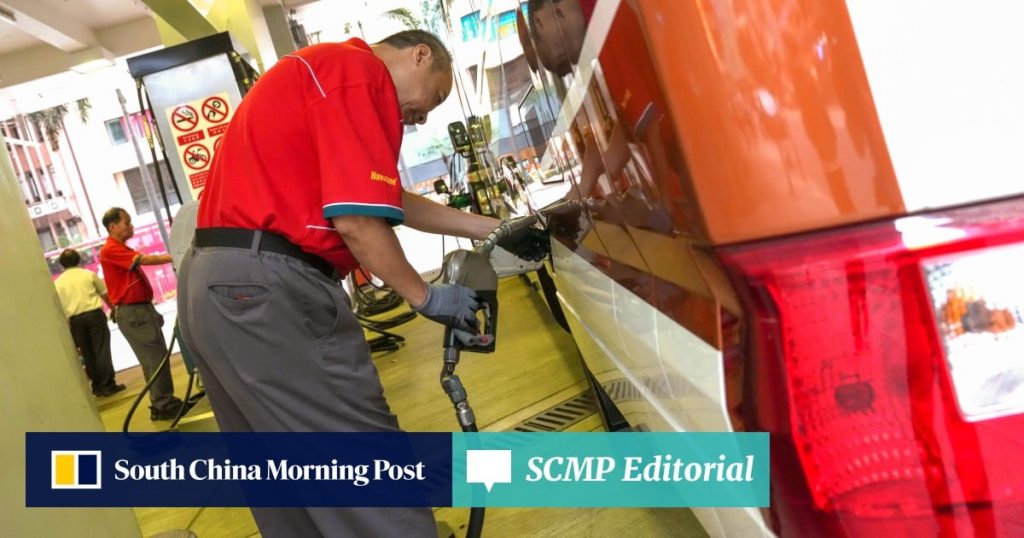
Energy resilience is being tested on a global scale as the Middle East conflict drives up fuel and electricity costs. Hong Kong’s government has stepped in with subsidies and the mainland Chinese authorities have pledged support to ensure electricity supply. But plans are needed for a potentially long-term disruption and other future crises.
Hong Kong is introducing a subsidy for the liquefied petroleum gas (LPG) used by taxis, minibuses and school buses. A 50 HK cents per litre subsidy has been proposed for two months, to start some time this month. Other temporary relief measures include a diesel subsidy of HK$3 per litre until June 29 and reduced tunnel tolls, moves that aim to relieve pressure on sectors such as franchised and non-franchised bus operations, ferries and fishing boats.
Hong Kong energy firm CLP Power’s senior management and CLP Holdings chairman Michael Kadoorie have travelled to Beijing to meet Hong Kong and Macau Affairs Office director Xia Baolong. The CLP executives also met He Yang, deputy director of the National Energy Administration. He assured the delegation that Beijing was willing to support CLP amid intensifying geopolitical conflicts. CLP extended a pledge to continue working to stabilise energy supplies.
CLP raised its fuel cost adjustment charge last month, citing conflict in the Middle East. The smaller of the city’s two electricity utilities, HK Electric, has also warned of increases later in the year.
During the CLP meeting, the National Energy Administration highlighted China’s efforts to ensure sufficient electricity supply and stable oil and gas prices, and also focused on alignment with the energy blueprint laid out in China’s 15th national five-year plan covering 2026 to 2030.
It is good that steps have been taken to mitigate turmoil when many communities around the world have been paralysed by pump prices. But Hong Kong’s subsidies are only planned for two months and there are concerns the impact of extensions could fade if the war drags on.