
Close Menu
Simply Invest Asia
  • Home
  • About us
  • Explore industries/sectors
    • Automobile
    • Aviation
    • Banking
    • Biotechnology
    • Chemical & Fertilizer
    • Entertainment and Media
    • Food Processing
    • Healthcare
    • Iron and Steel
    • Leather
    • Mining
    • Oil and Gas
    • Pharmaceutical
  • Explore by countries
    • China
    • Dubai / UAE
    • Hong Kong
    • India
    • Indonesia
    • Japan
    • Malaysia
  • Explore cities
    • Bangkok
    • Beijing
    • Chongqing
    • Delhi
    • Dubai
    • Guangzhou
    • Jakarta
    • Kuala Lumpur
  • Why Asia
Facebook X (Twitter) Instagram Threads
Trending:
  • China: U.S. sanctions undermine rights of other countries – CNBC
  • The 2016 Martin Scorsese project inspired by a plane ride to Japan
  • Bangkok Post – THAI says typhoon could disrupt Taipei, Shanghai flights
  • Legal Experts Put Africa’s Mining Investment Frameworks in Focus
  • India faces criticism from UN discrimination watchdog | Human Rights News
  • Dubai’s latest ‘Arabic Coffee’ edition celebrates richness of Arabic
  • United FC Launch New Black and Orange Home Kit After Historic First UAE Pro League Win
  • CSSC Hong Kong Shipping (SEHK:3877) Stock Lags Profit Strength as Revenue Softens
  • Indonesia, Malaysia and Singapore convene to ensure safety in SOMS
  • Louis Vuitton SS27 High Trunks Release Info
  • Nearly 33 lakh in Delhi may get notice to prove eligibility as SIR enters next phase | Delhi News
  • Finnair suspends Dubai flights for the winter season 2026-2027
  • India’s gig economy leaving its women behind, study finds
  • Thousands in Indonesia pray for rain amid forest fires
  • Vedanta Iron And Steel, Vedanta Power: How Vedanta Group stocks are performing as benchmarks fall
  • Barclays expects China to broaden offshore wealth curbs, but Hong Kong remains resilient
  • Chinese micro-dramas race onto global stage-Xinhua
  • Reconciling agriculture, nature and rural development in China and the Netherlands
Tuesday, August 25
Facebook X (Twitter) Instagram
Simply Invest Asia
  • Home
  • About us
  • Explore industries/sectors
    • Automobile
    • Aviation
    • Banking
    • Biotechnology
    • Chemical & Fertilizer
    • Entertainment and Media
    • Food Processing
    • Healthcare
    • Iron and Steel
    • Leather
    • Mining
    • Oil and Gas
    • Pharmaceutical
  • Explore by countries
    • China
    • Dubai / UAE
    • Hong Kong
    • India
    • Indonesia
    • Japan
    • Malaysia
  • Explore cities
    • Bangkok
    • Beijing
    • Chongqing
    • Delhi
    • Dubai
    • Guangzhou
    • Jakarta
    • Kuala Lumpur
  • Why Asia
Simply Invest Asia
Home»Explore industries/sectors»Oil and Gas»Flare gas collection plays vital role in reducing Iran’s gas imbalance in winter
Oil and Gas

Flare gas collection plays vital role in reducing Iran’s gas imbalance in winter

By IslaJuly 3, 20265 Mins Read
Share
Facebook Twitter Pinterest Threads Bluesky Copy Link


TEHRAN- Increasing the collection of flare gases in Iran’s oil industry can compensate for part of the gas shortage in winter; a capacity that both prevents resource wastage and helps sustain energy supply.

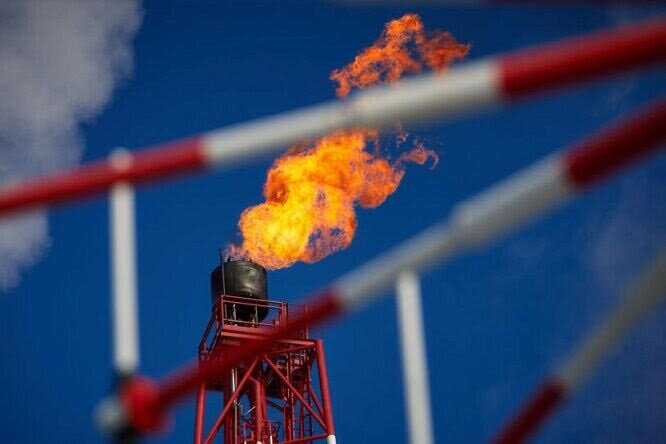
According to Mehr News Agency, flare gases are among the most well-known symbols of oil regions worldwide. Flames that have been seen for years in Iran’s oil fields were a sign of burning associated petroleum gases; gases produced during oil extraction but inevitably burned if the necessary infrastructure for collection, processing, and transmission is lacking. This process, in addition to causing environmental pollution, means losing a significant volume of energy resources.

In Iran, over the past decades, a large volume of associated petroleum gas has been flared. This has not only had significant environmental impacts but has also been economically detrimental; because gas that could have been used as petrochemical feedstock, power plant fuel, or even as an export commodity has effectively turned into smoke.

With the development of technologies and the expansion of oil and gas industry infrastructure, a new approach to managing these resources has emerged. Now, collecting and utilizing flare gases is on the agenda as one of the key solutions for increasing energy efficiency. Energy experts believe this is one of the lowest-risk and most economical paths for reform in the energy sector; because it simultaneously reduces resource wastage, decreases environmental pollution, and increases the country’s gas supply capacity.

In fact, flare gases are a potential energy source that, if invested in necessary infrastructure, can be returned to the consumption cycle and meet part of the country’s domestic needs. From this perspective, collecting these gases, besides its environmental effects, also has significant importance in managing gas supply and demand.

Increasing flare collection capacity; a shift in energy policies

In recent years, Oil Ministry has placed special focus on reducing flaring and collecting flare gases. This approach is being pursued through the implementation of numerous projects, the most important of which are the development of NGL units, construction of new processing facilities, and upgrading gas refineries.

According to announced plans, the macro-goal in the Seventh National Development Plan is to significantly reduce flare gas burning and increase the collection rate to about 16 billion cubic meters per year. Achieving this goal requires developing infrastructure capable of collecting, processing, and transferring associated petroleum gases to the consumption network.

Available statistics show that before the establishment of the 14th government, about 7 million cubic meters per day of flare gases were being collected in the southern oil-rich regions, the Central Iran Oil Company, and the Arvandan Oil and Gas Company. However, with the commissioning of new units and the completion of some infrastructure projects, this figure has now reached over 16 million cubic meters per day.

At the same time, according to officials of the National Iranian Oil Company, about 80 million cubic meters of associated petroleum gas are currently produced daily in the country. Part of this gas is transferred to NGL units and downstream facilities, but a significant portion is still burned in flares due to infrastructure limitations. Estimates indicate that the amount of flare gas in the country ranges between 40 and 50 million cubic meters per day, depending on crude oil production conditions.

Planning shows that with the development of ongoing projects, it is possible to reduce this figure by up to about 35 million cubic meters per day. Such a reduction would mean freeing up a significant volume of gas that could be used in various sectors of the economy.

One of the most important challenges in Iran’s energy sector in recent years has been the gas imbalance in winter. During this season, gas consumption in the household sector increases dramatically due to heating needs, and in many cases, priority for gas supply is given to this sector. As a result, industries, power plants, and some petrochemical units face gas restrictions or cutoffs.

Collecting flare gases can play an important role as a new source of supply in reducing this imbalance. If we assume the amount of collected gas has increased from about 7 million cubic meters per day to over 16 million cubic meters per day, in practice, nearly 9 million cubic meters of additional gas enters the consumption cycle daily. On an annual scale, this amount is equivalent to over 3 billion cubic meters of gas.

Although such a capacity alone cannot completely resolve the gas imbalance in the country, it can compensate for part of the supply shortage during the cold months of the year. For example, this amount of gas can provide more stable feedstock for some energy-intensive industries or help supply fuel for power plants to reduce the need for liquid fuels such as diesel and fuel oil.

On the other hand, injecting recovered gas into the national gas network can also help increase the stability of feedstock supply for petrochemicals. Many petrochemical units face feedstock restrictions in winter, and their production capacity decreases. Using collected flare gases can compensate for part of this production decline and prevent economic losses caused by the shutdown or reduced activity of industrial units.

Overall, collecting flare gases can be considered one of the fastest and most cost-effective solutions for increasing gas supply in the country. In addition to reducing pollution and preventing resource wastage, this measure can help improve the country’s energy balance and reduce some of the pressure on the gas network during the cold months. If ongoing projects are fully operationalized, this hidden energy source can play a more prominent role in managing Iran’s gas imbalance in the coming years.

MA


Source link

Related Posts

Natural gas drilling could raise salt levels, in turn boosting radium in water

August 24, 2026

OIL PRICE HIKE⛽ Petroleum products are expected to see a price increase starting August 25, 2026. Here are the estimated price decreases per liter: #AllYouNeedToKnow – facebook.com

August 24, 2026

SLB wins Brunei contract to restore offshore production

August 23, 2026
Add A Comment
Leave A Reply Cancel Reply

Top Posts

China Scraps 12,000 Degrees in Biggest Academic Overhaul in Years

June 14, 2026

Aviation brigade conducts aerial refueling training

July 1, 2026

Chinese Wall may stem India tech flows for electronics and automobile

June 1, 2026
Don't Miss

China: U.S. sanctions undermine rights of other countries – CNBC

By IslaAugust 25, 2026

China: U.S. sanctions undermine rights of other countries CNBC Source link

The 2016 Martin Scorsese project inspired by a plane ride to Japan

August 25, 2026

Bangkok Post – THAI says typhoon could disrupt Taipei, Shanghai flights

August 25, 2026

Legal Experts Put Africa’s Mining Investment Frameworks in Focus

August 25, 2026
SUBSCRIBE TO OUR NEWSLETTER

Get our latest downloads and information first. Complete the form below to subscribe to our weekly newsletter.


I consent to being contacted via telephone and/or email and I consent to my data being stored in accordance with European GDPR regulations and agree to the terms of use and privacy policy.

Stay In Touch
  • Facebook
  • YouTube
  • TikTok
  • WhatsApp
  • Twitter
  • Instagram
Top Trending

India’s gig economy leaving its women behind, study finds

By IslaAugust 25, 2026

Thousands in Indonesia pray for rain amid forest fires

By IslaAugust 25, 2026

Vedanta Iron And Steel, Vedanta Power: How Vedanta Group stocks are performing as benchmarks fall

By IslaAugust 25, 2026
Most Popular

Dubai wins again and is close to the ABA title

June 6, 2026

Social media is ‘literally destroying’ actors’ careers: Sanjay Gupta

June 8, 2026

Craving a night out? Bâoli Dubai is calling your name

April 10, 2026
Our Picks

Today’s news in pictures – Monday, April 13, 2026

April 13, 2026

Guangzhou Loong Lions vs Fujian Sturgeons Prediction, Betting Tips & Odds

April 19, 2026

Nearly 300K Hyundai vehicles recalled for seat belt issue that could increase injury risk

April 12, 2026
SUBSCRIBE TO OUR NEWSLETTER

Get our latest downloads and information first. Complete the form below to subscribe to our weekly newsletter.


I consent to being contacted via telephone and/or email and I consent to my data being stored in accordance with European GDPR regulations and agree to the terms of use and privacy policy.

© 2026 Simply Invest Asia.
  • Get In Touch
  • Cookie Policy
  • Privacy policy
  • Terms & Conditions

Type above and press Enter to search. Press Esc to cancel.

SUBSCRIBE TO OUR NEWSLETTER

Get our latest downloads and information first.

Complete the form below to subscribe to our weekly newsletter.


I consent to being contacted via telephone and/or email and I consent to my data being stored in accordance with European GDPR regulations and agree to the terms of use and privacy policy.