
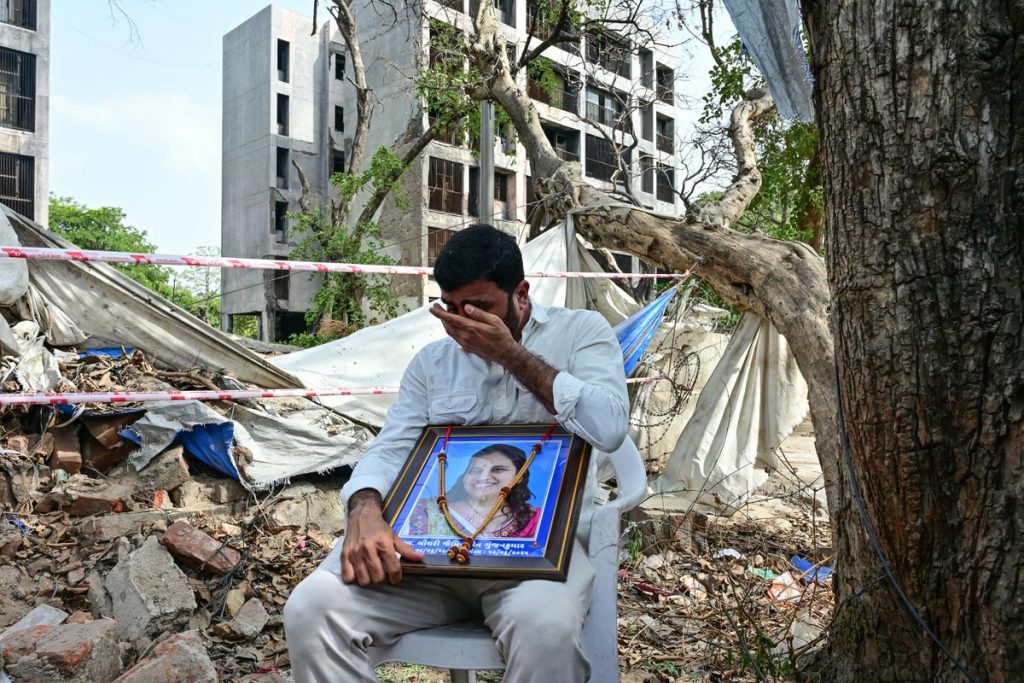
The investigative agency probing the Air India crash that killed 260 people said it made “significant progress” in analysing the evidence but the final report is yet to be released, a year after the deadliest aviation disaster in the history of the country.
The update was issued by the Aircraft Accident Investigation Bureau (AAIB) on Friday, the first anniversary of the crash of the Boeing 787 Dreamliner bound to Gatwick airport from India’s western city of Ahmedabad.
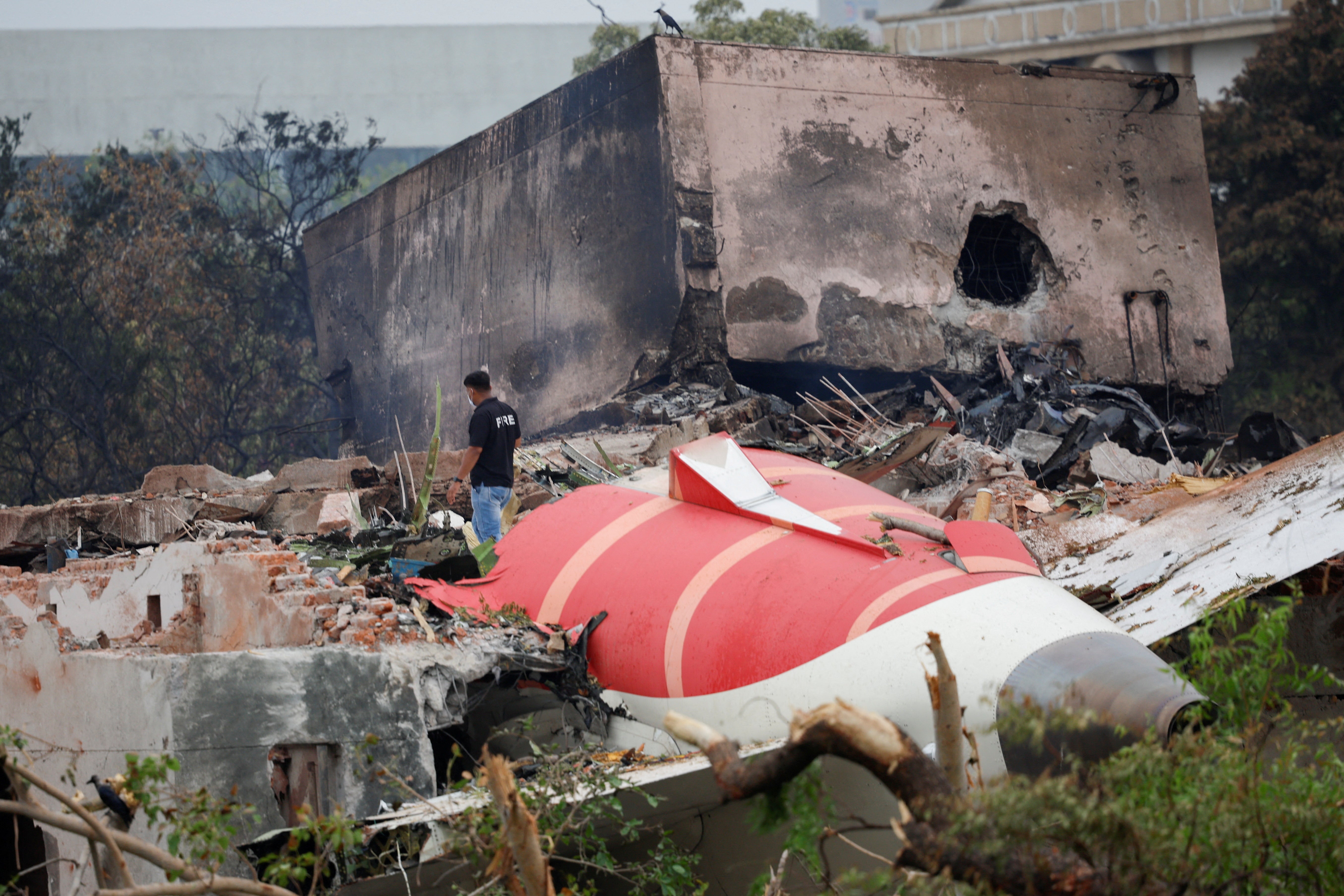
The plane crashed on 12 June 2025 just 6km away from the airport into a doctors’ accommodation at Byramjee Jeejeebhoy Medical College and Civil Hospital, killing more people on the ground.
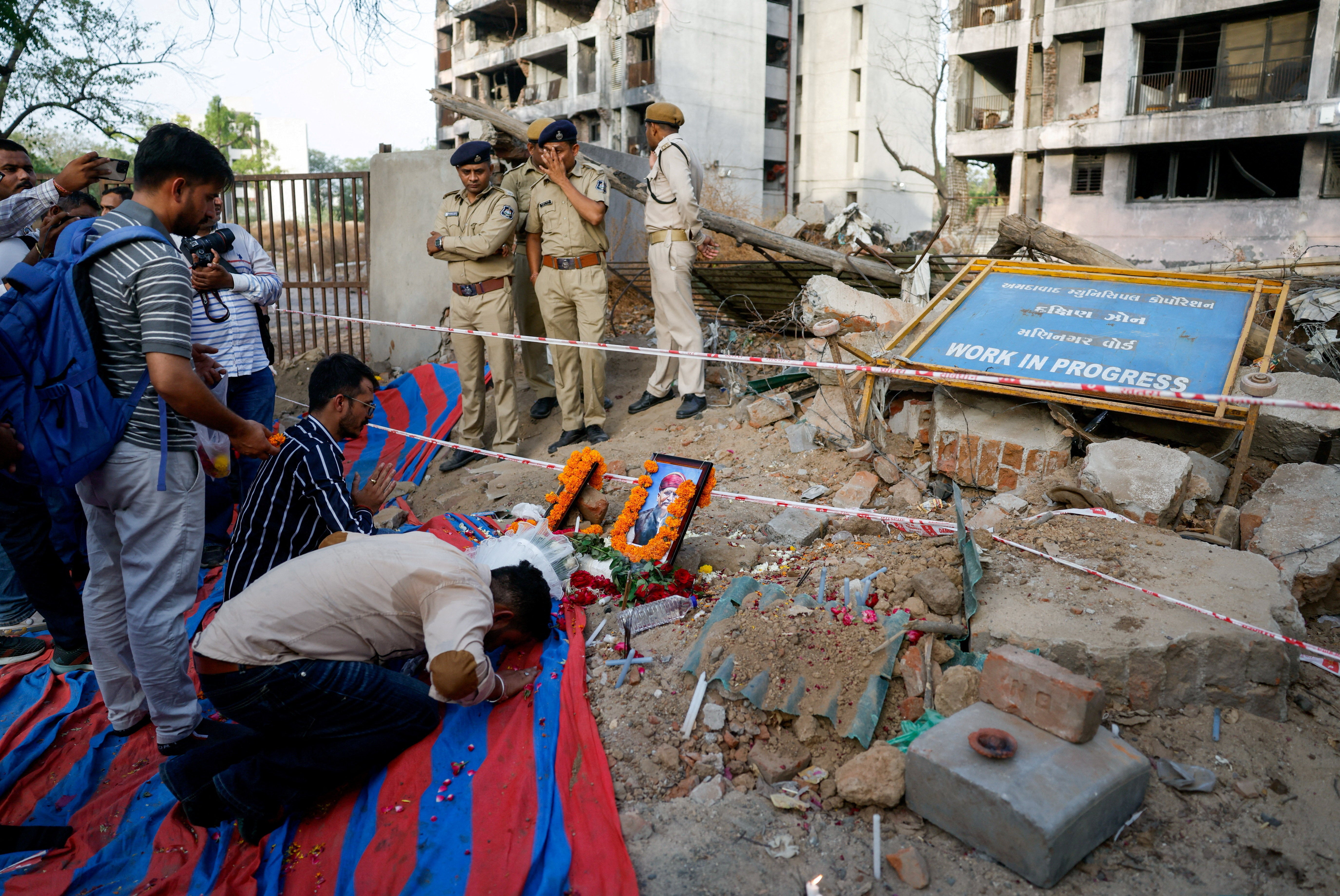
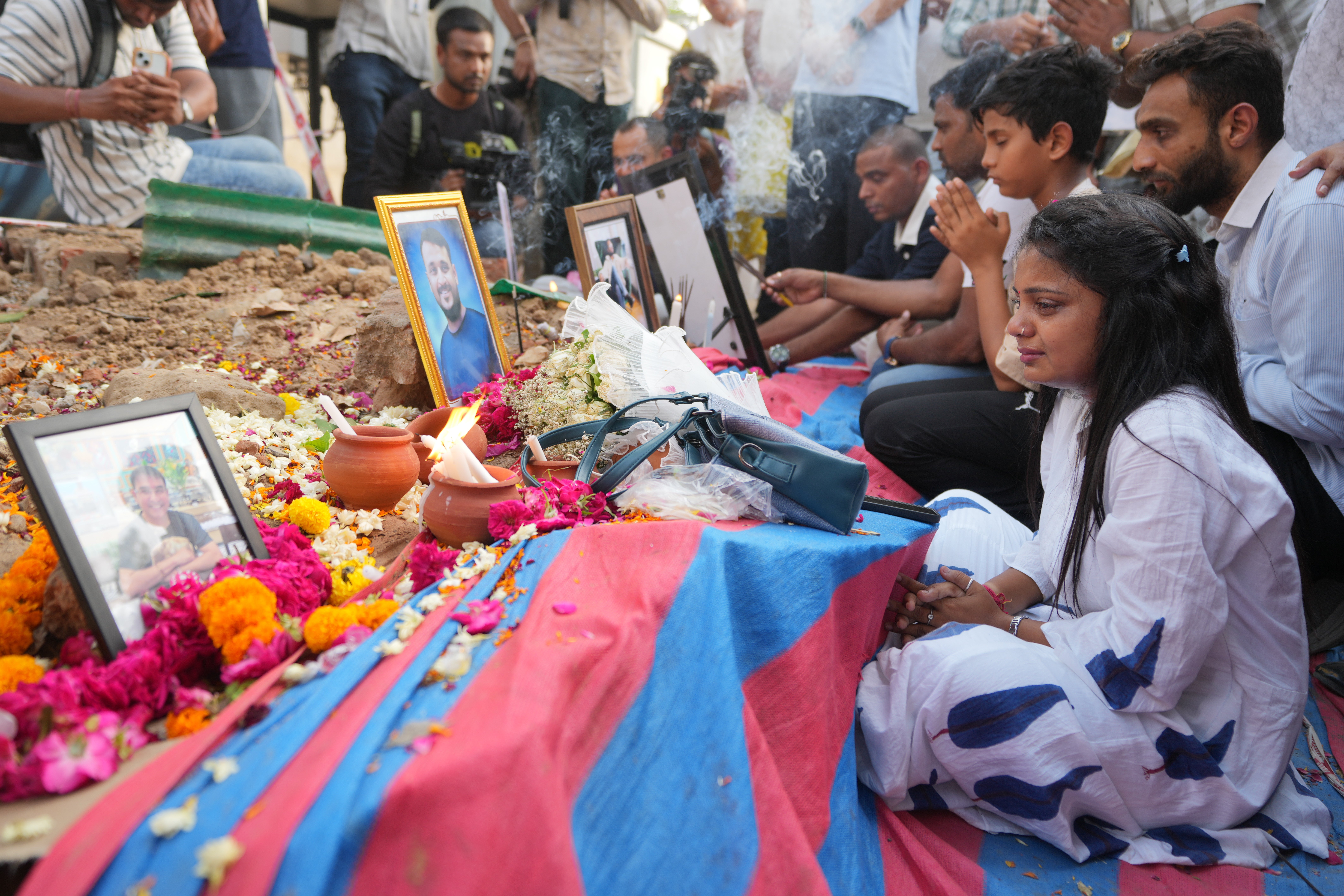
A total of 241 passengers and crew members died, along with 19 people on the ground. Only one person, a British citizen of Indian origin, miraculously survived the crash that left behind a huge pile of plane debris, mangled with concrete from the building.
“On this solemn occasion, the Aircraft Accident Investigation Bureau (AAIB) expresses its deepest condolences to the families and loved ones of all those who lost their lives in the accident,” it said in an interim statement on the one-year anniversary. “We also acknowledge the enduring pain and loss suffered by all those affected.”
It added: “Over the past year, the investigation team has undertaken an extensive and rigorous examination of all relevant technical, operational, organisational and human factors associated with the accident.”
“Significant progress has been made in the examination and analysis of aircraft systems, flight recorder data, engine-related components, maintenance and operational records, and other evidence relevant to the investigation,” it said.
The statement added that evidence gathered and the results of various examinations are currently being analysed in a comprehensive and integrated manner by the investigators.
“The final report will be released upon completion of all investigative activities and the requisite international review and consultation processes,” it said.
“Every aspect of the accident will be examined with the utmost care and diligence.”
It also urged all stakeholders, including the media and the public, to refrain from speculation or premature conclusions while the investigation remains in progress.
The International Civil Aviation Organisation’s standards require investigators to produce the final accident report within a year of a crash. If they can’t, they must release an update on the inquiry on every anniversary of the disaster. The regulations also require the final accident report to reveal the probable cause and offer recommendations on avoiding similar incidents in the future.
A team of lawyers representing a large group of bereaved families affected by the crash said the focus remains on the continued lack of answers and transparency.
“One year on, bereaved families are still waiting for meaningful answers about how and why this tragedy occurred,” Sarah Stewart and Peter Neenan, partners at Stewarts, said.
“While international aviation rules anticipate the publication of a report or, where this is not possible, an interim update on each anniversary, no such update has been issued at this stage. For bereaved families, who have endured twelve months of uncertainty, the absence of clear findings only reinforces the sense of frustration and unanswered questions.
They said a thorough, independent and transparent investigation remains essential.
“Establishing the truth is not only critical for the families seeking answers, but to ensure that lessons are learned and future loss of life is prevented,” it said.
“Our families will continue to press for a full explanation of what happened.”
Air India released a statement on the anniversary, saying its employees observed a two-minute silence on the anniversary of the crash.
A controversial preliminary report was published on 12 July last year, stating that just seconds after take-off, fuel control switches were abruptly moved to the “cut-off” position, starving the engines of fuel and triggering total power loss. The report, however, stopped short of assigning blame or explaining the probable cause behind the flipping of the switches.
Audio recordings from the cockpit, cited in the report, captured one pilot asking the other why he cut off the fuel. “The other pilot responded that he did not do so,” the report said. Investigators did not identify which pilot made either statement nor which pilot transmitted “Mayday, Mayday, Mayday” just before the crash.
In the following days, reports raised questions over the senior pilot in the cockpit, Captain Sumeet Sabharwal, who was set to retire. However, backlash over questions on Sabharwal was swift as pilots’ associations in India criticised the coverage and vehemently rejected suggestions that the senior pilot had caused the crash.