
A TEAM of United States Trade Representative (USTR) officials, led by chief negotiator Brendan Lynch, is set to commence negotiations with India over four days starting Monday to finalise an interim agreement.
Government sources said there is a sense of urgency now because a new US tariffs architecture is likely to replace the reciprocal tariffs announced by US President Donald Trump, and deemed illegal by the Supreme Court in February. The new rates under Section 301 will come into effect on July 24.
Months of tension between New Delhi and Washington had resulted in steep 50% tariffs initially on India and an outflow of investments. The depreciation in the domestic currency that began due to steep tariffs last year has intensified in the backdrop of the energy shock following the war in the Gulf. New Delhi is also keen certainty on the US trade deal will restore confidence among investors.
While trade tensions have somewhat eased between the two countries, with the US reducing the reciprocal tariffs from 50% imposed in August last year to 18% in February this year, the negotiations for a deal remain challenging for India due to what officials describe as “unconventional US demands”.
A senior government official told The Indian Express that the current 10% across the board tariff without a deal is a preferable scenario for India than signing a deal because of US demands that interfere with sovereign decisions on the purchase of oil and sensitive agricultural items.
The US had in April launched two Section 301 probes on India in relation to “structural excess capacity” and “forced labour”. While talks have been ongoing, officials in Delhi responded to these changes, stating that surpluses are a natural consequence of global trade and a byproduct of generalised economic conditions. Further, they said India has ratified the Forced Labour Convention, 1930 and the Abolition of Forced Labour Convention, 1957, which require the prohibition of forced labour in all forms.
Near the finish line
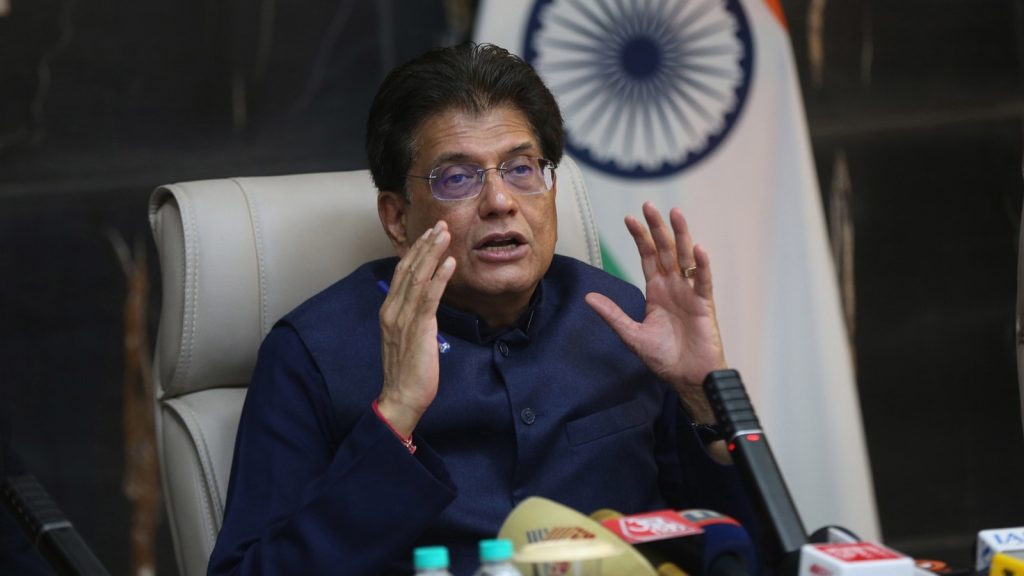
The trade deal talks starting here could finally put an end to months of uncertainty, as USTR Jamieson Greer said last week that he expects to meet Commerce Minister Piyush Goyal “soon” to finalise the India-US framework deal. “On New Delhi, we have had many meaningful discussions. We have a framework agreement with the Indians. I have a team going there next week. I expect to meet my counterpart soon as well. I’d really like to be in a position to finalise our agreement based on the joint framework agreement we agreed to,” Greer said at a Council of Foreign Relations conference.
Story continues below this ad
Sergio Gor, US Ambassador to India, last week said Washington expects that a bilateral trade deal with India will be signed in the “next few weeks and months”. He indicated that only “1 per cent” of the deal was left to be concluded, and negotiators were working on it. Describing US Secretary of State Marco Rubio’s four-day visit to India which ended May 26 as “substantive”, Gor, addressing the US-India TRUST Initiative event at IIT Delhi, said, “Just last week, India had sent a team to Washington DC to finalise the last 1 per cent of that trade deal. Next week we will welcome a US delegation here to continue those talks.”
Key to investments
For India, finalisation of an interim trade deal is seen as important in restoring confidence among investors. Also, there is a sense of urgency since a new US tariffs architecture is likely to replace reciprocal tariffs before July-end.
Ahead of the key talks, New Delhi is signalling greater openness in trade diplomacy. Commerce Minister Piyush Goyal last week led a delegation with 100 industry leaders to Canada, aiming to sign an agreement by the end of the year. This comes amid testy trade ties between Canada and the US during the ongoing United States-Mexico-Canada Agreement negotiations. India is also set to operationalise its trade agreement with Oman on Monday.
Uncomfortable US demands
While a government official earlier this month said India will continue purchasing Russian crude oil regardless of whether the US extends sanctions waivers, the US had imposed additional 25% tariffs on India for the purchase of Russian oil under the deal. Trade data showed that India’s purchase of Russian oil began declining before recovering from March in the backdrop of the war in West Asia.
Demands relating to agricultural products have also been one of the biggest pressure points. The India-US joint statement said India will eliminate or reduce tariffs on all US industrial goods and a wide range of US food and agricultural products, including dried distillers’ grains (DDGs), red sorghum for animal feed, tree nuts, fresh and processed fruit, soybean oil, wine and spirits, and additional products.
Story continues below this ad
Indicating signs of disagreement, the US later revised a factsheet softening its claims about the gains it had secured from New Delhi and entirely dropping a section on digital services taxes. The earlier version of the factsheet said India had “committed to” buying more American products and purchasing “over $500 billion of U.S. energy, information and communication technology, coal, and other products”. The updated factsheet, as well as the joint statement, tempered the wording from “committed” to “intends”.
FDI & currency pressure
A slowdown in investments has resulted in a rapidly weakening currency. India saw gross Foreign Direct Investment (FDI) inflows rise to a new record high of $94.53 billion in 2025-26, up 17% from the previous year, although the net figure was a mere $7.65 billion, data released last week by RBI showed. The domestic currency has breached the Rs 95 per dollar level, becoming one of the worst currencies among its Asian peers.