
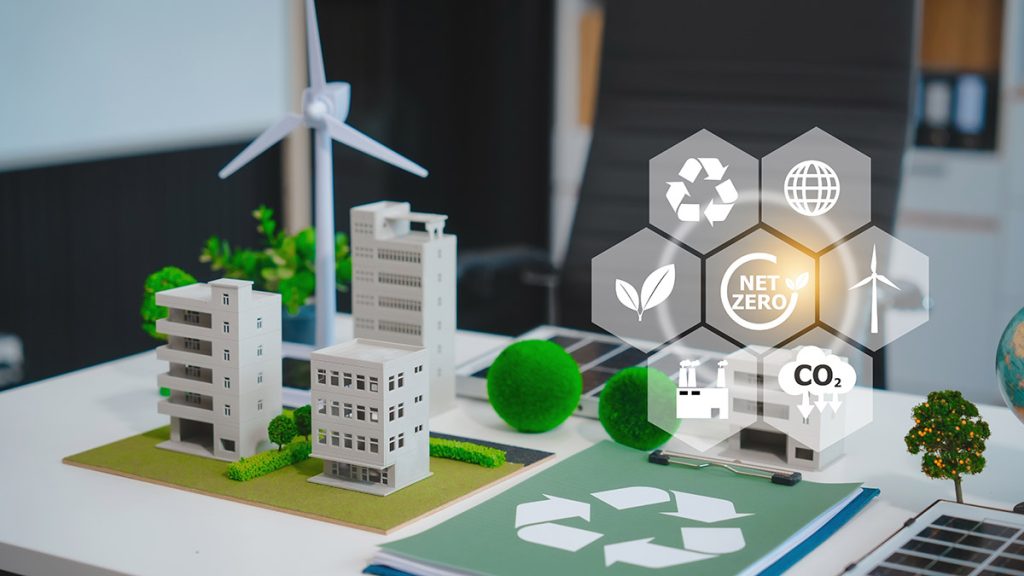
As the world marks Earth Day 2026 under the theme Our Power, Our Planet, attention turns to the choices shaping our shared future. In India, that power lies not just with policymakers and industries, but with millions of consumers driving patterns of growth and environmental impact. As aspirations rise, the challenge is to ensure that progress remains aligned with the health of our planet.
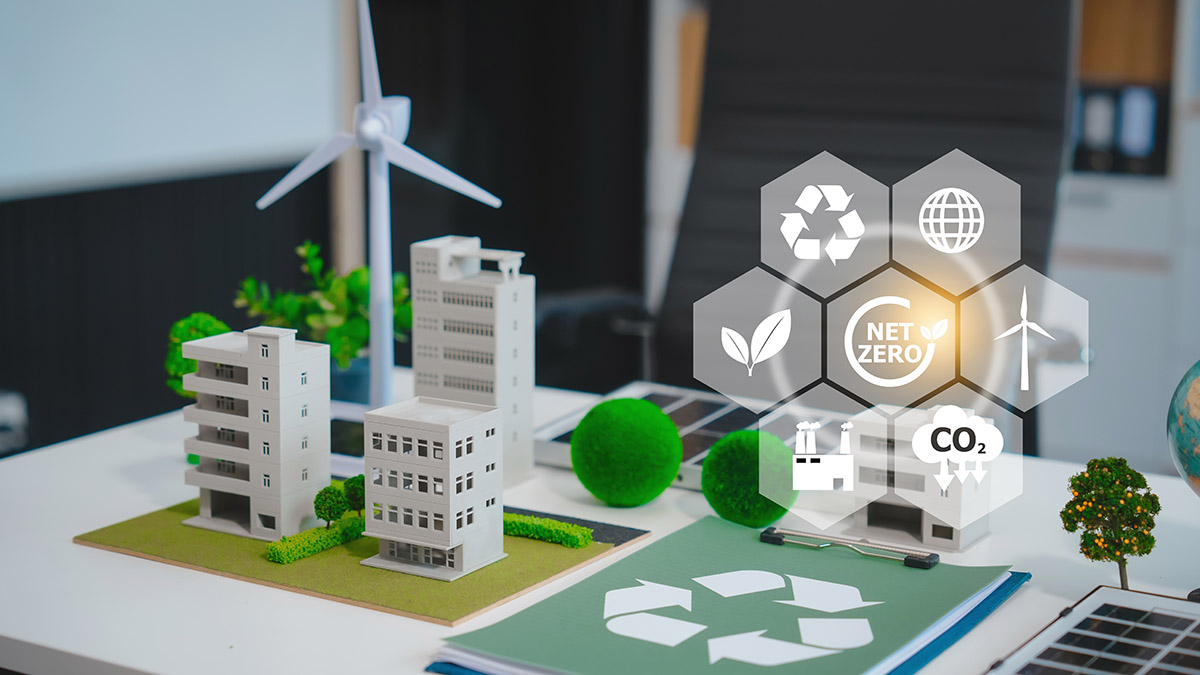
As the world marks Earth Day 2026 under the theme Our Power, Our Planet, attention turns to the choices shaping our shared future. In India, that power lies not just with policymakers and industries, but with millions of consumers driving patterns of growth and environmental impact. As aspirations rise, the challenge is to ensure that progress remains aligned with the health of our planet.
India is the world’s fourth-largest economy and is projected to become the third largest by 2030 with a GDP of $7.3 trillion. Economic liberalization in the 1990s spurred consumerism, with private consumption now contributing over 60% to GDP. A major force behind this shift is the rising middle class. Currently, 31% of households earn between ?5–30 lakh annually, a figure expected to exceed 60% by 2047.
While the goal of becoming a “Viksit Bharat” (developed nation) by 2047 is ambitious, it raises concerns: Can India pursue rapid economic growth while staying within its planetary boundaries? Vulnerable groups like children, women, and the poor are already at greater risk from extreme weather events, with each year being warmer than the last since 2015.
The Environmental Costs of Consumption-Led Growth
India’s growth story has been propelled with private consumption contributing over 60% to GDP in FY25, often seen as a route to improving living standards. But this model has environmental consequences with infrastructure expansion, deforestation, and large-scale resource extraction justified as “development,” despite degrading ecosystems. India ranks as the third most polluted country in the 2023 World Air Quality Report. As overall consumption grow rapidly, so do the environmental risks.
In today’s globalized economy, environmental degradation is no longer confined within national borders. Consumption is driven by complex global supply chain with products consumed in one country often causing resource depletion and pollution elsewhere. The emerging modern consumer behaviour marked by reliance on disposable goods, shorter product lifespans, and constant upgrades has worsened the problem. Electronics sector offers a striking example of such consumption trends. India’s electronics market, worth USD 155 billion in FY23, is booming due to e-commerce, rising incomes, and easy credit. But aggressive marketing and constant upgrades encourage wasteful consumption of finite resources and generating waste.
India is already the world’s third-largest generator of e-waste, producing 3.2 million metric tonnes annually. Per capita generation is lower than the global average but has risen by 70% between 2019 and 2024. Without intervention, this will only accelerate. At the same time, India must create 8 million jobs for the next 10-12 years to achieve the vision of Viksit Bharat by 2047. Much of this will come from MSMEs, which contribute 30% to GDP but also pollute heavily, accounting for up to 15% of industrial emissions and 3-4% of CO2 emissions. Therefore, India’s development pathway must be environmentally sensitive to ensure sustainable livelihoods and climate goals, including India’s 2070 net-zero target.
From Conflict to Confluence: Aligning Growth with Sustainability
Economic progress does not have to be in conflict with environmental protection. India has made progress by meeting two of its Nationally Determined Contribution (NDC) way ahead of its target year 2030, but deeper change is needed. Achieving an “Aspirational India” will require harmonising growth with ecology by revisiting policies, sustainable consumption practices, and reshaping producer priorities to align with circular economy.
India’s cultural traditions offer inspiration. Practices rooted in frugality, mindful consumption, and harmony with nature—from food habits to festivals—can guide modern practices. For example, traditional Indian plant-based diet has been identified by WWF as a model of sustainability. Further, nudging consumers to adopt greener habits also works. For example, the Bureau of Energy Efficiency’s star rating system has encouraged adoption of energy-efficient appliances.
Producers, too, have a central role. Across agriculture, industry, and services, businesses must adopt green technologies and reduce emissions throughout their value chains. The energy sector alone accounts for 75% of emissions, followed by agriculture at 13%. Incorporating Environmental, Social, and Governance (ESG) standards into business operations is an important step which not only guides companies toward sustainability but also attracts responsible investment.
Conducive regulatory ecosystem is another critical aspect. Policy intervention across energy, finance, manufacturing, and mobility needs to incentivize green practices. India’s Mission LiFE (Lifestyle for Environment) is one such initiative, engaging consumers, producers, and policymakers. Policies like Extended Producer Responsibility (EPR), Right to Repair, and circular economy principles are gaining ground, but need stronger enforcement.
The Way Forward
India faces a dual challenge of sustaining inclusive growth while combating climate change and environmental degradation. Unlike developed economies that industrialised by overexploiting natural resources, India must chart a new path of sustainable development in the face of increasing climate risks. Gandhi’s, words remain relevant: “The world has enough for everyone’s need, but not enough for everyone’s greed.”
Action is required at both individual and systemic levels. Consumers must be educated to make sustainable choices, while governments and businesses must enable and reward such behaviour. Tools like green credits, ESG ratings, and supportive regulations can shift priorities from short-term profit to long-term resilience. Care must also be taken to avoid greenwashing.
India stands at a crossroads. Its growth story inspires, but the environmental cost of unchecked consumerism cannot be ignored. As it could undermine both environmental sustainability and long-term prosperity. To become a developed economy by 2047, India must chart out its unique path—one that balances economic aspirations with ecological responsibility, positioning itself as a global leader in inclusive and green development.