
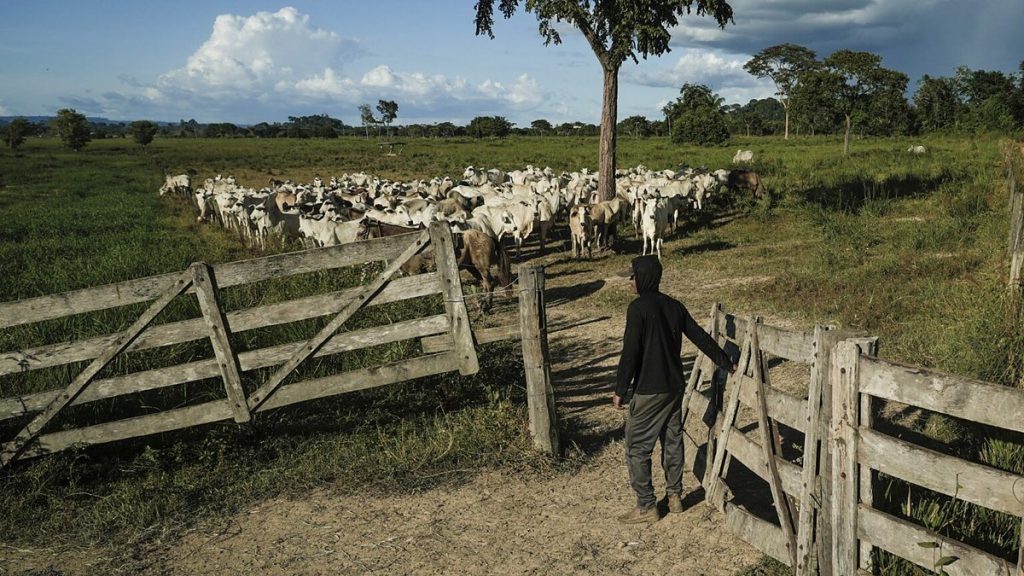
Companies shipping Brazilian beef and leather into Europe could be shut out of the EU market under three overlapping laws, and the carve-out Brussels handed the leather trade on 13 July does not end that exposure. That is according to Climate Rights International, whose 51-page report published on Thursday names the EUDR, the Forced Labour Regulation, and the Corporate Sustainability Due Diligence Directive as the laws that will decide access.
Each law demands traceable supply chains and documented proof that products are not linked to deforestation, forced labour, or other serious abuses. Falling short risks exclusion from the EU market, administrative penalties, civil litigation, and, in the most serious environmental crime cases, criminal liability under national implementing laws.
“These laws can do more than keep high-risk products out of Europe,” Daniela Ikawa, legal and policy expert at Climate Rights International, said, arguing that companies that revamp their due diligence can shift the economic incentives that have long fuelled deforestation and reinforce Brazil’s own efforts to address it.
It comes as the European Commission adopted the delegated act on 13 July, cutting cattle hides, skins, and leather from the regulation’s product list alongside re-treaded tyres, soybeans for sowing, and vulcanised rubber articles. Soluble coffee, certain palm oil derivatives, and frozen cattle tongues move the other way, entering the scope from 30 December 2027.
Wood, pulp, and paper stay exactly where operators have been preparing for them, inside Annex I, with the hard 30 December 2026 compliance start unmoved. Scrutiny of the leather exit now passes to the European Parliament and the Council, which hold a two-month window to 13 September in which either body can veto the act but neither can amend it.
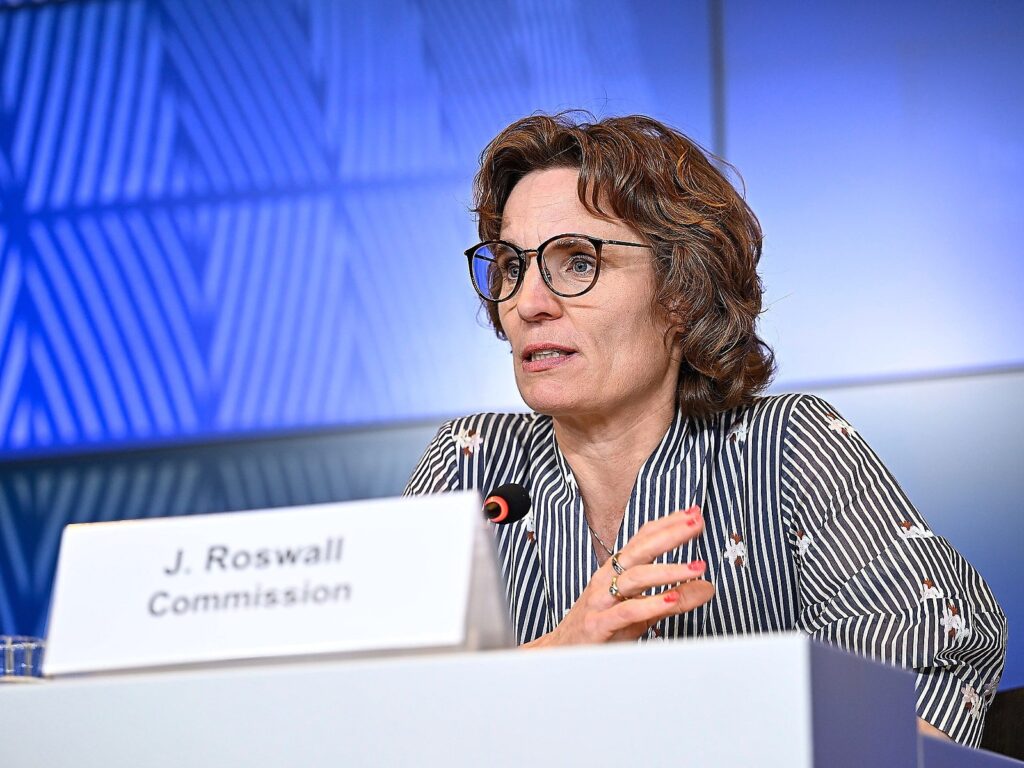
Objections cleared, the exclusion enters the Official Journal of the European Union, and the leather carve-out becomes definitive. Even that clean passage would leave the trade answerable in Brussels, with importers of hides and leather remaining fully subject to the Forced Labour Regulation and the CSDDD regardless of what Annex I says.
Leather goods manufactured outside the EU were never captured by the EUDR in the first place, a gap the report says leaves the two remaining laws as the operative tests for the sector.
Cattle themselves remain covered, with beef and all other products derived from the animal still included in the EUDR’s seven regulated commodities. Ranching remains the single largest driver of deforestation in the Amazon, where scientists warn continued clearing could push the rainforest toward a tipping point, even after President Luiz Inácio Lula da Silva’s government cut deforestation by 80 per cent.
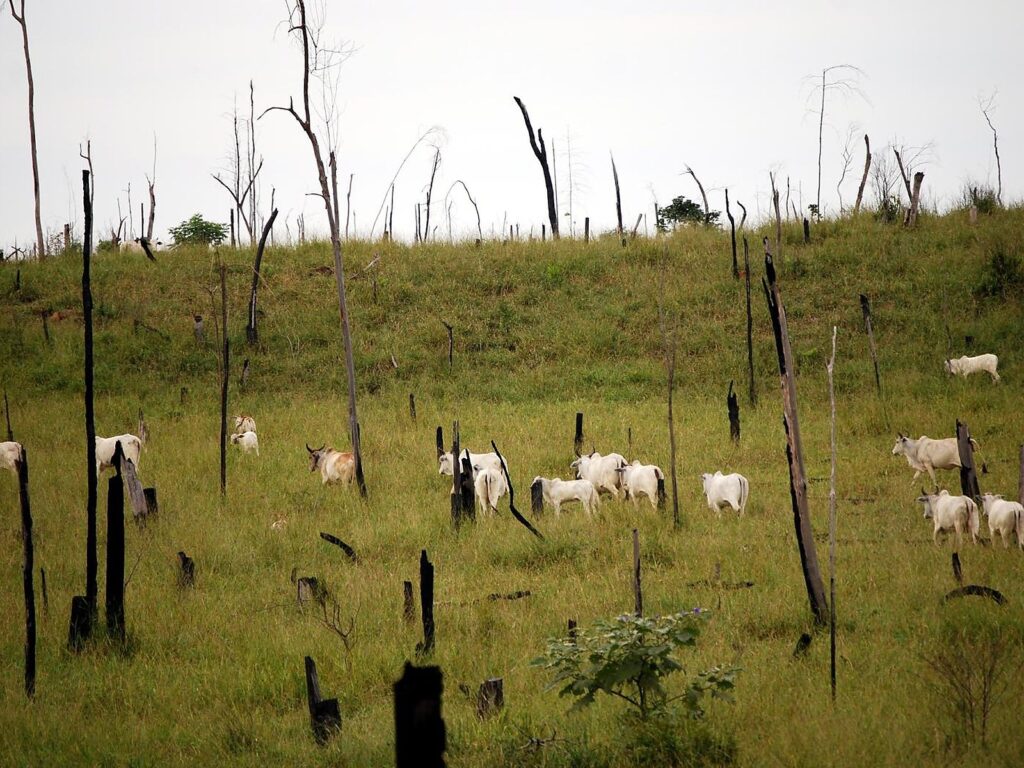
Behind the warning is a structural problem no single company can trace its way around, with cattle typically passing through several farms before reaching a slaughterhouse or tannery. Tens of thousands of those indirect farms remain unmonitored, and the tracing systems some meatpackers have promised depend on voluntary sharing of cattle-movement records, known as GTAs, that the experts consulted consider highly unlikely.
Closing that gap, the report argues, starts with the states rather than the companies, with Minas Gerais and Pará already running government-backed systems that combine cattle-movement records with compliance data to screen indirect suppliers. Buyers should direct purchasing toward those states, the report says, then set a public date extending the same screening to forced labour and invasions of Indigenous lands, pressure the group wants pointed toward a transparent national traceability system.
Both 2025 investigations behind the new report, “Before It’s Too Late” and “Chainsaws, Smoke, and Silence,” documented forced labour, invasions of Indigenous lands, and attacks on environmental defenders across Amazon cattle country.
“The proposal to remove leather from the law is about politics, not evidence,” Miki Ng, EU policy researcher at London-based environmental group Earthsight, said when the draft was tabled in May. Beef from cattle raised on deforested land would stay barred from the EU, she warned, while hides from the same animal circulated freely.
Readiness across the wider forest-risk economy remains split, with Global Canopy’s Forest 500 assessment counting 68 companies that cite the EUDR as a driver of traceability action while one in three still lacks a basic deforestation commitment.
Unless the Parliament or the Council objects by 13 September, the leather exclusion becomes law, and on Climate Rights International’s reading the test for Brazil’s cattle trade barely moves: supply chains traced through tens of thousands of unmonitored farms, or a European market that two untouched laws can still close.