
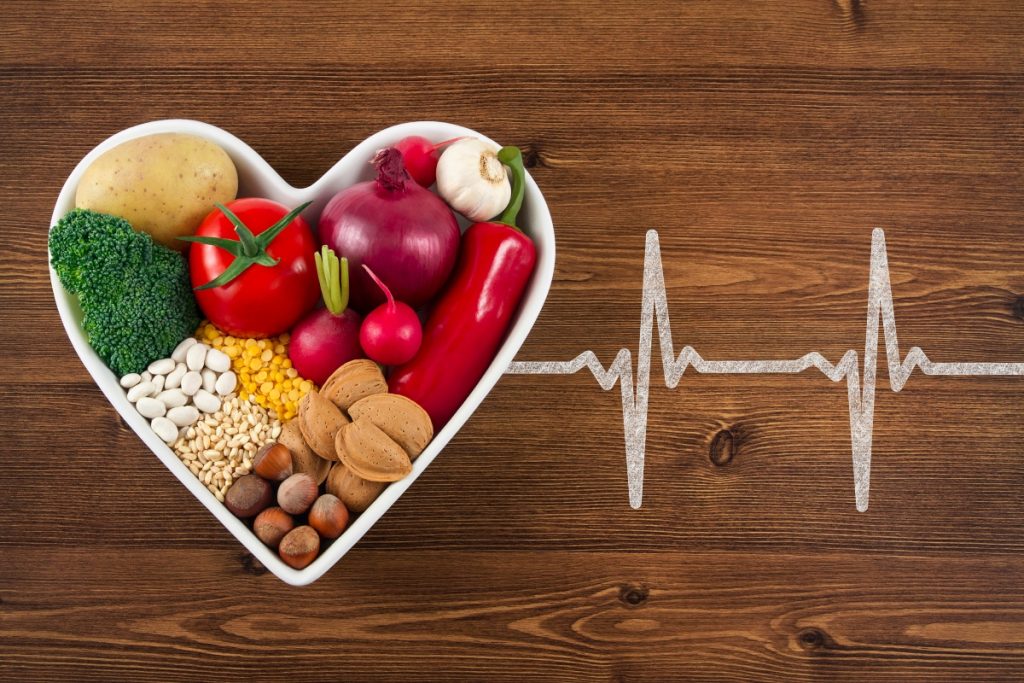
A £1.7m UK research project will investigate how the structure, processing and digestion of plant foods influence the availability of potentially beneficial compounds for cardiovascular health. It will also explore whether differences in the gut microbiome could help to explain why individuals respond differently to the same foods, as this horizon-scanning feature explains.
Plant-rich diets are associated with cardiovascular health benefits, but important questions remain about how individual plant compounds behave during digestion and how food processing and individual differences influence their effects.
Of particular interest are flavan-3-ols, which are naturally occurring plant compounds – or (poly)phenols – found in foods such as tea, berries, dark chocolate, nuts and legumes.
Higher flavan-3-ol intake has been linked to improved vascular function, lower blood pressure and reduced cardiovascular disease risk, but understanding of how these compounds are released from food and metabolised remains incomplete.
Exploring plant foods and health
A four-year project led by researchers at King’s College London, working with teams at Ulster University and the University of Leeds, UK, aims to address these gaps.
Funded by the Biotechnology and Biological Sciences Research Council, the research will investigate how plant compounds are released, absorbed and metabolised, and explore their role, alongside that of the gut microbiome, in cardiovascular health.
As project lead Professor Ana Rodriguez-Mateos, professor of human nutrition at King’s, explains: ‘This funding will allow us to tackle two critical questions in nutritional science: how food structure and processing influence health, and why people respond so differently to the same foods.’
Following flavan-3-ols through digestion
The research collaboration will examine what happens to flavan-3-ols as plant foods are processed and digested, including how food structure, processing, storage and chewing influence their release, stability and absorption. It will also provide the first validated estimates of flavan-3-ol intake in the UK.
At Ulster University, Professor Chris Gill, professor of digestive health, and colleagues at the School of Biomedical Sciences, will focus on digestion in the upper gastrointestinal tract. Food-based trials involving volunteers with ileostomies will enable the team to investigate how flavan-3-ols are processed here.
‘The importance of flavan-3-ols and other (poly)phenols to human health continues to evolve,’ says Professor Gill. ‘Understanding how these compounds are affected by food processing and the human digestive tract is key to developing a mechanistic understanding of their biological efficacy.’
The wider project will develop and test a flavan-3-ol-rich diet in a clinical trial to investigate its effects on cardiometabolic health and the gut microbiome and will also analyse commonly consumed flavan-3-ol-rich foods in the UK to build a comprehensive composition database.
This will be combined with nationally representative dietary surveys and biomarkers to estimate population intake.
Investigating individual responses to plant foods
As Professor Rodriguez-Mateos said, a further strand will explore why people may respond differently to the same foods. The researchers will use newly developed ‘AVATAR’ microbiome models to recreate an individual’s gut bacterial community in the laboratory.
Combined with human dietary intervention studies, the approach will allow them to compare responses in an individual’s laboratory gut model with those of the same person consuming the same food.
Project co-lead Professor Kieran Tuohy, professor of energy metabolism and microbiome in the Faculty of Environment at the University of Leeds, said: ‘For the first time, we can study how a person’s unique gut microbiota affects the release of food components in parallel with that same individual consuming the same meal. This represents a major advance in understanding digestion and individual responses to diet.’
What could this mean for cardiovascular health?
By bringing together food science, digestion studies, microbiome modelling and human dietary research, this four-year project aims to provide more insight into how plant foods exert their effects and why these may differ between individuals.
Ultimately, the findings could improve understanding of how plant foods support cardiovascular health, inform more effective dietary recommendations and contribute to personalised nutrition strategies aimed at improving long-term health.