
Joby Aviation (JOBY +0.12%), a developer of electric vertical takeoff and landing (eVTOL) aircraft, closed at a record high of $20.39 per share on Aug. 4, 2025. At the time, Joby impressed the market with its technological advantages, strong partnerships, and clear plans for commercializing its first air taxi flights. The Fed’s interest rate cuts in 2024 and 2025 also drove more investors back toward speculative, higher-growth stocks.
But as of this writing, Joby’s stock trades at less than $9 per share. Let’s see why it lost nearly 60% of its value, and if it’s worth buying as a contrarian bet on the nascent eVTOL market.
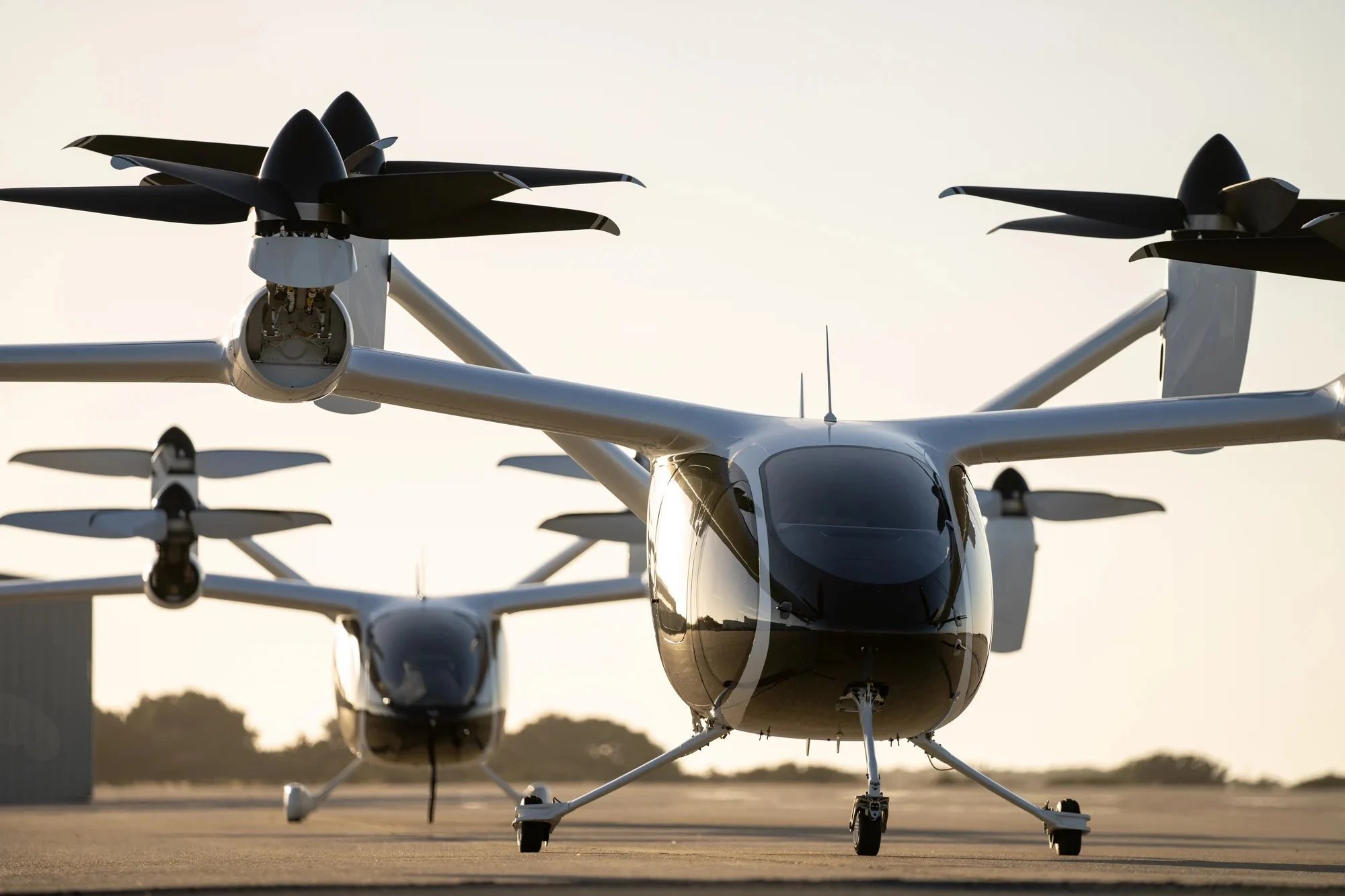
Image source: Joby Aviation.
What are Joby Aviation’s greatest strengths?
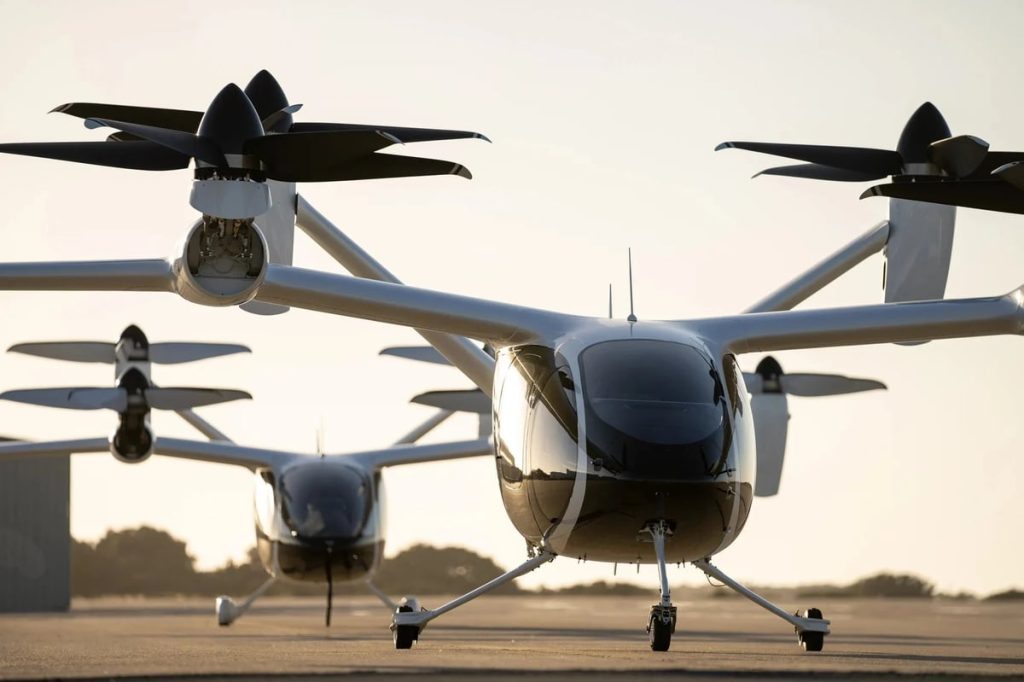
Joby’s S4 eVTOL carries one pilot and four passengers, travels up to 150 miles on a single charge, and achieves a maximum speed of 200 miles per hour. To reduce drag, it uses single-tilt-rotor propellers that alternate between lifting and cruising modes. That key difference enables the S4 to travel faster and farther than Archer Aviation‘s (ACHR 1.21%) Midnight, which uses separate propellers for its lifting and cruising modes.
Joby, Archer, and other eVTOL makers aim to replace conventional helicopters in short-range air taxi routes. Joby has already attracted significant attention from prominent investors, including Toyota (TM 1.92%), Delta Air Lines (DAL +0.12%), and Uber (UBER 0.07%).
Uber, one of Joby’s earliest investors, will integrate Joby’s eVTOL rides into its ride-hailing app into its new service, Uber Air, once the regulators approve its first commercial flights. Toyota has been ramping up its investments in Joby to support the certification and commercialization of those air taxis. Delta, Virgin Atlantic, All Nippon Airways, and other airline companies plan to bundle Joby’s flights into their tickets as premium last-mile “airport to home” services.
The global eVTOL market could grow at a 36.8% CAGR from 2026 to 2034, according to Fortune Business Insights. Assuming Joby stays at the top of this booming market, analysts expect its revenue to rise from $53 million in 2025 to $459 million in 2028.

Today’s Change
(0.12%) $0.01
Current Price
$8.50
Key Data Points
Market Cap
$8.3B
Day’s Range
$8.25 – $8.70
52wk Range
$6.14 – $20.95
Volume
24M
Avg Vol
26M
Gross Margin
-3006.27%
What are Joby Aviation’s most glaring weaknesses?
That outlook seems bright, but Joby hasn’t cleared its two most important regulatory hurdles yet. First, it’s unclear when the Federal Aviation Administration (FAA) will approve the Type Certification for its first commercial flights. Some analysts expect that to happen by the end of this year or early 2027, but any delays could force them to slash their near-term estimates. Second, Joby originally planned to launch its first commercial flights in Dubai by the end of this year. It’s still officially sticking to that schedule, but the ongoing Middle East conflict could delay those plans and prompt analysts to reduce their revenue forecasts for the year.
As Joby grapples with those challenges, the macro headwinds are intensifying. Inflation is driving up costs and sparking fears that the Fed will raise rates rather than cut them. It’s still deeply unprofitable, and its share count has already risen by more than 60% since it went public via a merger with a special-purpose acquisition company (SPAC) on Aug. 11, 2021. That dilution could accelerate over the next few years as it scales its business.
With a market cap of $8.3 billion, Joby’s stock isn’t cheap at 18 times its 2028 sales. Archer, which faces the same regulatory headwinds, trades at just 8 times its 2028 sales. Therefore, any bad news could easily cut Joby’s stock in half again — and it still wouldn’t be considered a bargain relative to its near-term growth potential.
Does Joby’s pullback represent a buying opportunity?
Joby arguably has a brighter future than Archer and its smaller eVTOL competitors. But without a clearer timeline for its FAA certification and its first commercial flights in Dubai, it’s impossible to tell if it can match Wall Street’s bullish forecasts. I’d be willing to nibble on Joby’s stock at these levels, since it’s still the “best in breed” play on the emerging eVTOL market, but I wouldn’t make a bigger investment unless it makes meaningful progress toward those near-term goals.