
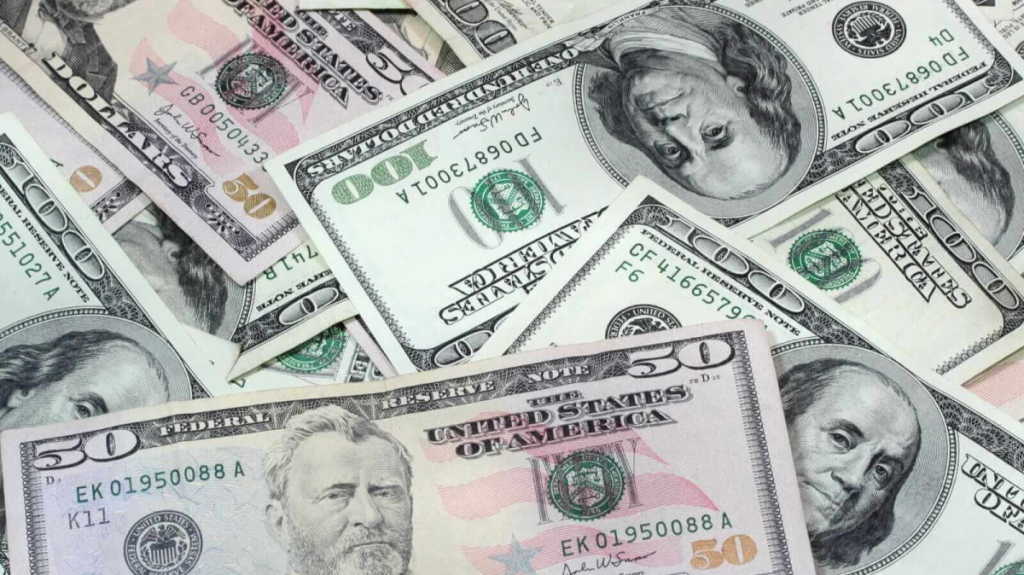
The US dollar index (DXY00) climbed 0.12% on Friday, May 1, 2026, recovering from a two-week low as renewed trade tensions overshadowed weak manufacturing data. The recovery followed threats from President Trump regarding significant tariff hikes on European automotive imports during a period of heightened geopolitical friction.
Market volatility intensified after President Trump proposed increasing tariffs on European vehicle imports to as high as 25%, according to report by Detik Finance. This move reversed an initial downward trend caused by a 3% drop in crude oil prices, which had temporarily lowered inflation expectations and pressured the dollar.
The currency further struggled following the release of the April ISM manufacturing index, which remained stagnant at 52.7. This figure fell short of economist projections that anticipated an increase to 53.2, while the prices paid sub-index surged 6.3 points to a four-year peak of 84.6.
Beyond trade disputes, safe-haven demand for the dollar increased due to escalating tensions between the US and Iran over the Strait of Hormuz. Both nations have reportedly engaged in efforts to control the waterway as leverage during an ongoing ceasefire negotiation.
“the inflation outlook does not improve markedly.” said Joachim Nagel, ECB Governing Council member and Bundesbank President.
Nagel previously suggested that the European Central Bank would need to implement an interest rate hike in June. These hawkish comments initially supported the euro before the threat of automobile tariffs caused the currency to retreat from its 1.5-week high.
Trading volume remained lower than average on Friday as European markets were closed for the Labor Day holiday. Currently, swaps markets indicate an 8% probability of a 25 basis point rate cut during the next FOMC meeting scheduled for June 16-17.