
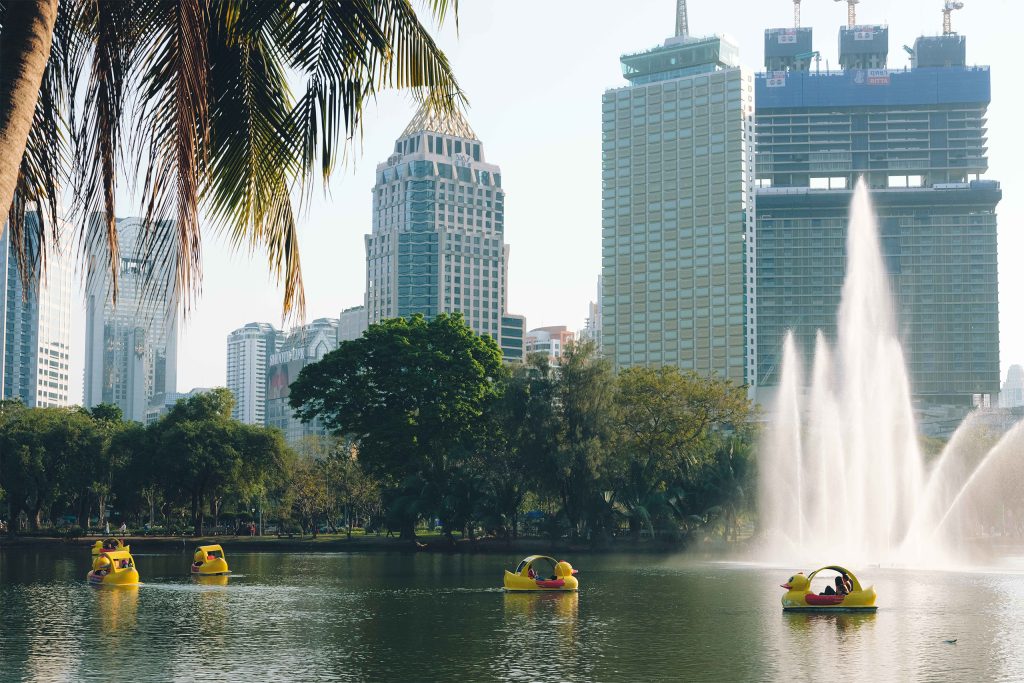
As Southeast Asia’s finest urban green space celebrates its centenary with a series of events and upgrades, it remains a vibrant microcosm of the Thai capital.
Guests at the new Andaz One in Bangkok are left in no doubt about the luxury hotel’s main calling card: one-of-a-kind vistas of Lumphini Park. Views of Thailand’s very first public park can be enjoyed over breakfast on the terrace, while swimming in the infinity pool, or soaking in a fetching green-tiled tub inside a 14th-floor suite. The rooftop restaurant, Piscari, looks west over downtown Bangkok with Lumphini in the foreground. At sunset, I dare anyone not to be impressed by the verdant patch of grass basking in the magic-hour glow – a genuine sight to behold, even for those of us who live in the city.
Formerly royal land gifted to the public by King Rama VI, Lumphini Park is looking in fine shape for its 100-year anniversary. There have been a raft of upgrades to celebrate the centenary, starting with a fresh lick of paint for the Chinese clocktower that dates to the park’s establishment in 1925 (it was originally commissioned to host a trade fair). Ballroom dancing is back at the 70-year-old Lumphini Hall, the toilets have been spruced up by Central Group, and the makeshift green bridge that links the site to nearby Benjakkiti Park has been replaced with smart, properly designed infrastructure, delighting runners, cyclists and pram pushers alike. What’s more, the neighbourhood’s well-heeled dog owners now have their own space courtesy of a dog park opened to commemorate the 70th anniversary of the Japanese Chamber of Commerce. Meanwhile hungry humans will soon be able to chow down at a purpose-built hawker centre, scheduled to open in May.


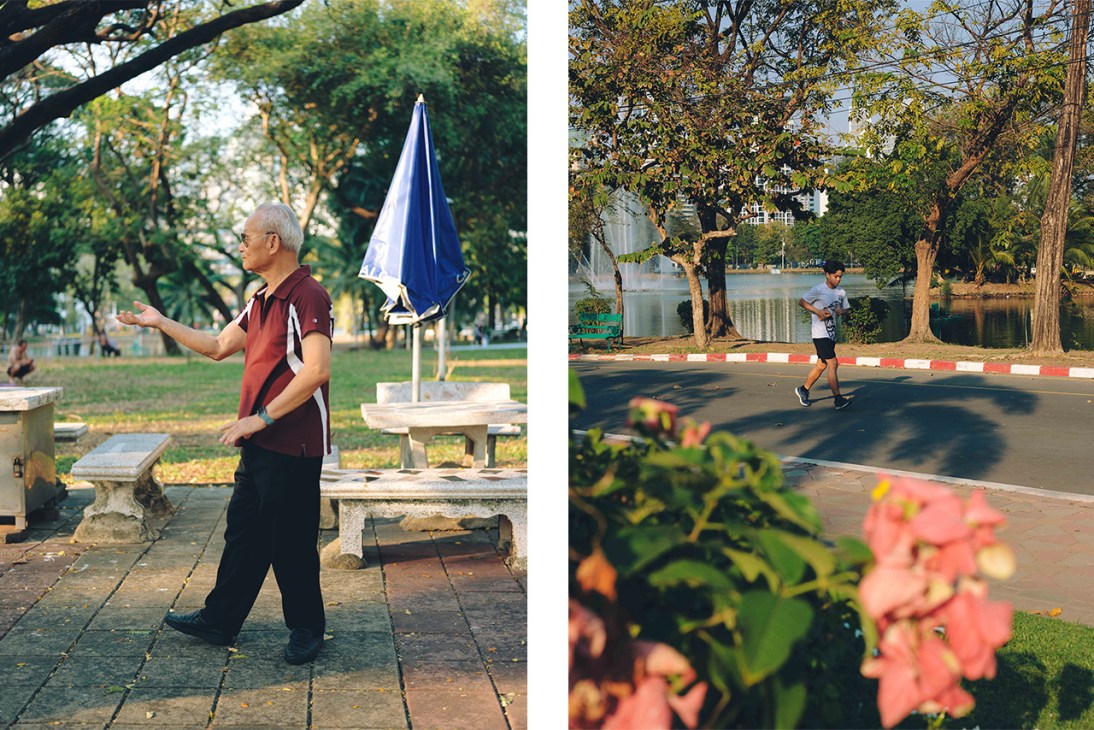
As this should all make clear, Lumphini is not just to be looked at from afar. It is a living, breathing microcosm of Bangkok, home to everything from seniors doing aerobic exercises to the ever-present water monitor lizards – a regular sight in practically every park in the city. Every time I pass the statue honouring the Chaipattana Aerator, a water wheel invented by the late King Rama IX that helps to improve the quality of stagnant water, I can’t help but smile. While the sight of the rudimentary-looking machine placed on a pedestal might confuse tourists, these tools are put to daily use in most public lakes and ponds (no doubt keeping the lizard population in good health too).
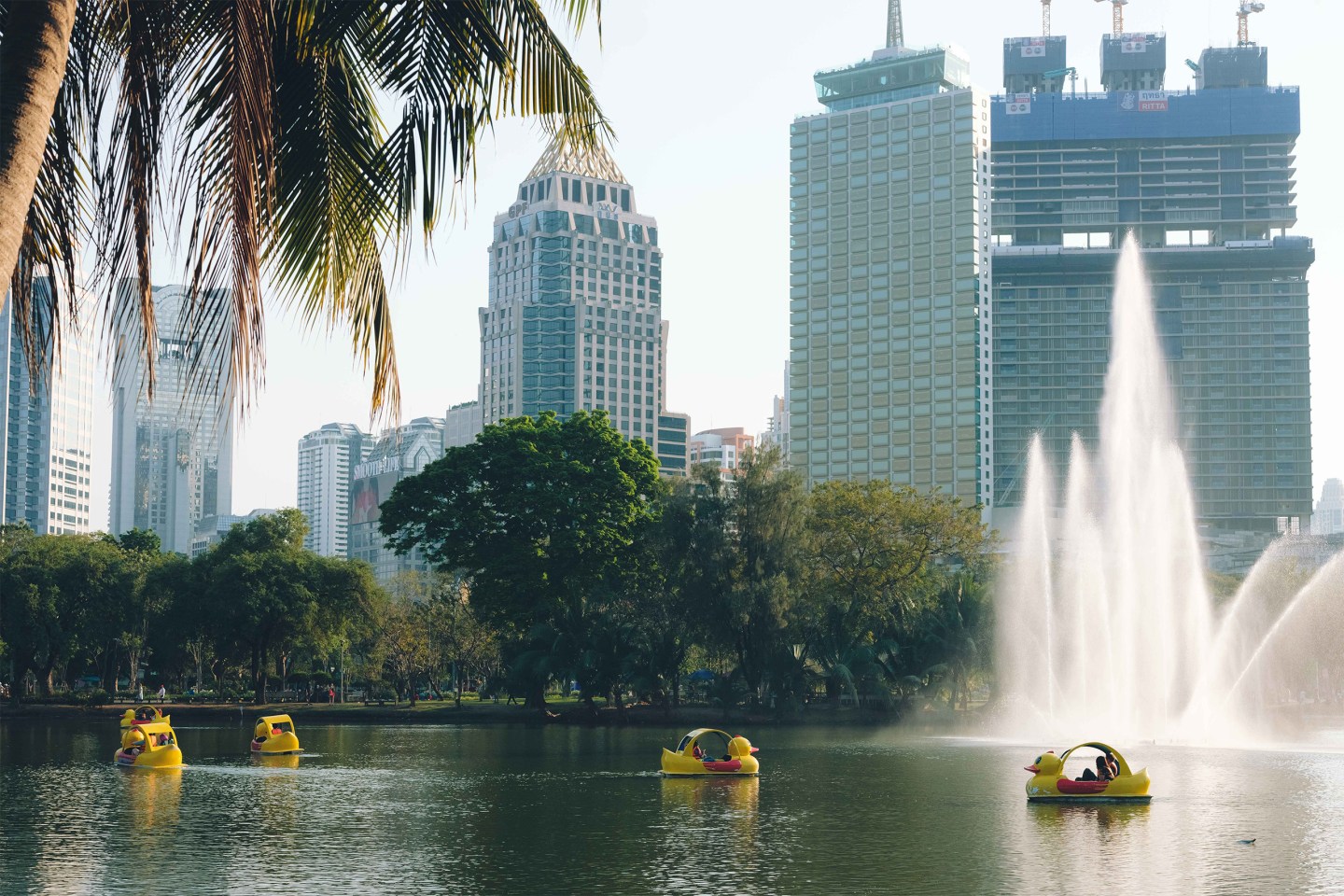
The official celebrations taking place at Lumphini this week feature concerts and fairs, which is similar to its annual programming, and most events are free. Lumphini is without a doubt one of the world’s greatest parks – the best in Asia, if you ask me – and a central part of life in the Thai capital. It is a staple of my family’s weekends and is very much alive from early morning to late at night. While I don’t live close enough to run there regularly (I don’t care for running and certainly not at 05.00), if I did, I might be joined by the governor and senior foreign diplomats. I do, however, enjoy the Sunday-afternoon live music at the bandstand during the cooler months, and my children are partial to the playground, the duck-shaped pedalos and the petting zoo at the annual Red Cross Fair in December.
If I have one gripe, it’s the access. Two mega developments have opened on the edge of Lumphini in recent years: One Bangkok, where Andaz is situated, and Central Park, home of the Dusit Thani flagship hotel. Yes, the views from the guestrooms are spectacular but getting to the park from these venues involves too much street grit and traffic mayhem for small children and first-time visitors to Southeast Asia – far more daunting than those harmless water monitors. A few underpasses or extra pedestrian bridges would not go amiss. Even some paint and a new crossing would be a good start. Bangkok’s governor is up for re-election in July. He’s a shoo-in to win and seems to have a few more second-term park upgrades up his green sleeve – and not just to the majestic Lumphini.
Further reading:
To see the real Bangkok, head to Lumphini Park at 06.00