
Published on
June 8, 2026
By: Srishty Mishra

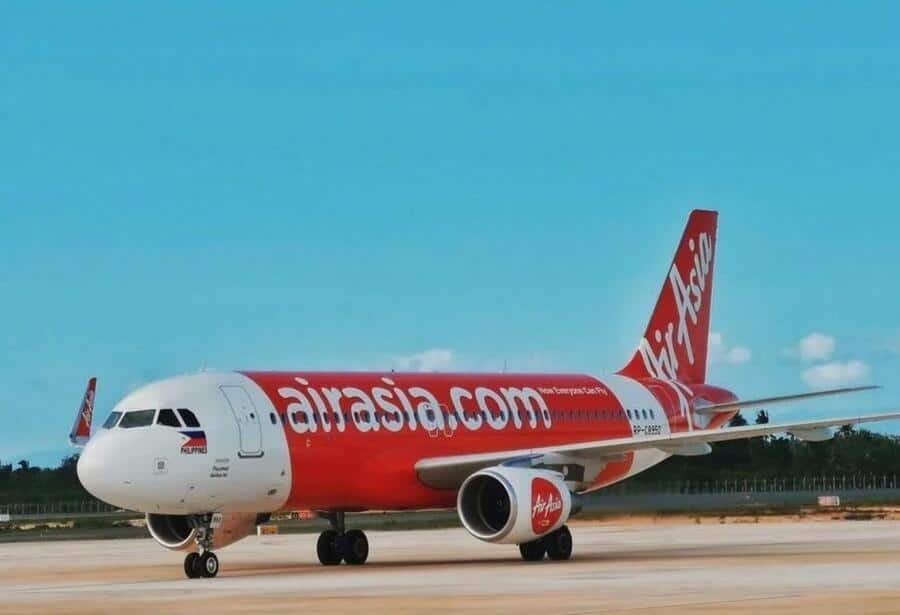
Image generated with Ai
AirAsia X has delayed its Malaysia to South Korea Kuala Lumpur–Busan flight revival until 23 October 2026 because ongoing geopolitical uncertainty and supply chain disruptions have affected its route restart plans. The service was earlier scheduled to return on 17 June 2026, but the airline has now pushed the resumption back by more than four months. This change affects travellers hoping for a direct link between Kuala Lumpur and Busan, one of South Korea’s most important tourism, business and port cities. The delay is a clear setback for passengers, tourism planners and the airline’s wider Northeast Asia expansion strategy, but it is not a full cancellation. AirAsia X still plans to bring back the route, giving itself more time to manage operational pressure, protect flight reliability and restart the service under more stable conditions.
AirAsia X has pushed back the return of its Kuala Lumpur to Busan route, creating a major schedule change for travellers planning direct journeys between Malaysia and South Korea. The service was earlier planned to restart on 17 June 2026, but it will now resume on 23 October 2026. The airline has linked the delay to ongoing geopolitical uncertainty and supply chain disruptions. This means passengers who expected a summer return of the route must now wait until late October. The change affects the direct connection between Kuala Lumpur (KUL) and Busan (PUS).
A Big Delay for a Key Malaysia to South Korea Route
The Kuala Lumpur–Busan service was expected to mark an important comeback for AirAsia X in South Korea. Busan is one of South Korea’s most important cities. It is a major business, port, culture and tourism centre. For Malaysian travellers, the route promised easier access to South Korea beyond Seoul. For South Korean travellers, it offered a direct path into Malaysia’s capital and wider AirAsia network. But that plan has now changed. The route will not restart in June. It has been moved to 23 October 2026, which is more than four months later than first planned.
Original Launch Date Was June 17
AirAsia X had originally scheduled the route to return on 17 June 2026. This date was important because it placed the service in the middle of the busy travel period. Summer travel between Malaysia and South Korea often draws leisure tourists, family travellers, students and holidaymakers. A June return would have given passengers more direct options during the high-demand season. However, the airline has now decided that the route cannot restart as planned. Instead, it will remain suspended until the new restart date in October. This makes the June launch plan officially delayed.
Advertisement
Advertisement
New Restart Date Set for October 23
The new date for the Kuala Lumpur–Busan route is 23 October 2026. This places the restart closer to the late-year travel season. The timing could still support strong demand, especially as travellers begin planning autumn and winter trips. South Korea becomes popular during the cooler months, while Malaysia remains attractive for visitors seeking warm weather. The shift may allow AirAsia X more time to manage operational issues before flights begin. It also gives the airline a clearer window to restart the route with stronger reliability, instead of rushing the June launch under uncertain conditions.
Geopolitical Uncertainty Hits Travel Planning
One of the main reasons behind the delay is geopolitical uncertainty. Airlines depend on stable regional and global conditions. When political tensions rise, route planning becomes harder. Demand can change quickly. Operating costs can move. Travel confidence may weaken. Airlines must also think about aircraft movement, airport coordination, safety planning and network stability. For a long-haul low-cost airline such as AirAsia X, uncertainty can place extra pressure on route decisions. By delaying the Busan restart, the airline appears to be protecting its schedule from risks that could affect passengers and operations later.
Advertisement
Advertisement
Supply Chain Disruptions Add More Pressure
The second major reason is supply chain disruption. Airlines across the world have faced delays linked to aircraft parts, maintenance, delivery timelines and operational support. A route can only run smoothly if the airline has the right aircraft, crew planning, airport arrangements and technical readiness. If one part of that chain is delayed, the whole route can be affected. AirAsia X’s decision shows that supply chain issues remain a serious concern. The airline is not only selling seats. It must make sure the aircraft and support systems are ready to operate the flights safely and consistently.
Flights D7 630 and D7 631 Are Affected
The route suspension affects AirAsia X flights between Kuala Lumpur and Busan, including the service numbers D7 630 and D7 631. These flights were tied to the planned direct operation between the two cities. Travellers booked on these services during the affected period will need to review their plans. The delay covers the period between the planned June restart and the new October resumption. For passengers, this means the route is not available as expected during the original launch window. The direct Malaysia to South Korea Busan option will return only after the revised date.
Advertisement
Advertisement
Passengers Face Booking Changes
Travellers who booked flights during the affected period will need to take action. AirAsia X is expected to offer affected passengers options such as refunds or rebooking. Refunds may be available through the original payment method or through an AirAsia credit account, depending on the booking case. Some travellers may prefer to move their journey to a later date after 23 October 2026. Others may need to choose another destination or travel route. Passengers who booked through travel agents should contact those agents directly, as third-party bookings are usually handled through the original seller.
No Cover for Extra Travel Costs
Affected passengers should also understand that airlines may not cover all extra costs linked to a route delay. These costs can include missed hotel bookings, separate onward flights, ground transport, tours or other travel plans made around the original flight date. For this reason, travellers should check their full itinerary carefully. Anyone with a June to October booking should review hotel cancellation rules, travel insurance terms and onward transport plans. The earlier passengers act, the better their chance of reducing losses. The route delay is not just a flight change. It may affect the whole journey.
Busan Was Part of a Bigger Expansion Plan
The Busan route was not just another flight. It was part of AirAsia X’s wider plan to strengthen its presence in Northeast Asia. Busan was expected to become an important point in the airline’s South Korea network. The city would have joined Seoul as another major Korean destination for AirAsia X. This was important for tourism, trade and people-to-people travel between Malaysia and South Korea. The service was also connected to the airline’s wider growth strategy, as it worked to build more international links from Kuala Lumpur to key Asian destinations.
Four Weekly Flights Were Planned
AirAsia X had planned to operate the Kuala Lumpur–Busan route four times a week. The expected operating days were Monday, Wednesday, Friday and Sunday. This schedule would have given travellers useful flexibility across the week. It would have helped short breaks, business visits, student travel and longer holidays. A four-weekly service also shows that AirAsia X saw strong value in the route. It was not planned as a rare or seasonal-only link. It was meant to be a regular connection between Malaysia and South Korea. That regular plan is now delayed until late October.
Advertisement
Advertisement
A Setback, Not a Cancellation
The most important point is that this is a delay, not a full cancellation of the route. AirAsia X has moved the restart date from 17 June 2026 to 23 October 2026. That means the airline still plans to bring back the Kuala Lumpur–Busan service. The decision gives the carrier more time to handle external pressure before returning to the route. For travellers, the news is frustrating but clear. The direct Malaysia to South Korea Busan link is still on the table. It is simply arriving later than expected.
What Travellers Should Do Now
Travellers should check their booking details as soon as possible. They should confirm whether their flight falls within the affected period. They should also review refund and rebooking choices. Those who still want to visit South Korea before October may need to look at alternative routes, including flights through other Korean gateways such as Seoul. Those who can wait may choose to move their trip to dates after 23 October 2026. The best step is to act early, keep records of all booking changes and avoid making new non-refundable plans until the revised travel date is confirmed.
AirAsia X has delayed its Malaysia to South Korea Kuala Lumpur–Busan flight revival until 23 October 2026 because ongoing geopolitical uncertainty and supply chain disruptions have disrupted its restart plans.
AirAsia X’s decision to delay the Kuala Lumpur–Busan route shows how global uncertainty can quickly affect travel plans. A route that was ready for a June comeback has now been pushed into late October because of geopolitical concerns and supply chain pressure. The delay affects passengers, tourism plans and the airline’s wider South Korea strategy. Yet the route still remains important. When it returns, it will restore a valuable direct bridge between Malaysia and Busan. For now, travellers must adjust their plans and prepare for a longer wait before this Malaysia to South Korea connection takes off again.
Advertisement
Advertisement
