
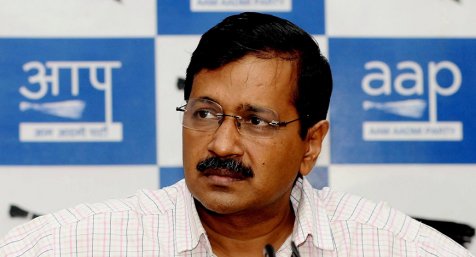
The Delhi High Court has directed the Delhi Police to take down unauthorised video recordings showing Arvind Kejriwal arguing in person before Justice Swarana Kanta Sharma. The videos relate to the hearing held on April 13, where Kejriwal pressed his plea seeking the judge’s recusal in the Delhi excise policy case.
An official of the High Court confirmed that recording or publishing court proceedings without permission is not allowed. The Court’s rules governing virtual hearings clearly prohibit such acts. Authorities have now initiated action against individuals across social media platforms who recorded and circulated the clips.
“We have taken steps. It [Kejriwal video] is one of the videos. In the past also we have taken action, and whenever such instances come to our knowledge, we write to them [law enforcement agencies] to take action.”
The direction follows the rapid spread of videos shortly after the hearing concluded. Kejriwal argued for over an hour, presenting his case for recusal. Soon after, clips of the proceedings surfaced widely on platforms like X, Facebook, Instagram and YouTube.
The issue also stems from a formal complaint filed by Advocate Vaibhav Singh. The complaint named several individuals, including political leaders and a journalist, and alleged deliberate recording and circulation of court proceedings. It urged the Court to initiate a detailed inquiry and take action for violation of the Delhi High Court’s video conferencing rules and the Electronic Evidence and Video Conferencing Rules, 2025.
“It is requested to set up a detailed inquiry into this matter and take appropriate action against all the persons/political parties for wilfully and deliberately disobeying the rules,”
Court officials reiterated that such violations affect the integrity of judicial proceedings. The High Court has acted in similar situations earlier and maintains a consistent approach in preventing unauthorised dissemination.
The matter arises in the backdrop of the Delhi excise policy case. The matter began in 2022 after the Central Bureau of Investigation registered an FIR alleging manipulation of the Delhi Excise Policy of 2021-22. The allegations include claims of cartelisation and undue benefits to certain liquor traders. The Enforcement Directorate also initiated proceedings under the Prevention of Money Laundering Act.
A trial court later discharged Kejriwal and other accused persons, holding that no case was made out. The CBI challenged this decision before the High Court. Justice Sharma, while issuing notice, also stayed directions for departmental action against the investigating officer and made prima facie observations on the trial court’s findings.
Following these developments, Kejriwal and other accused persons moved applications seeking Justice Sharma’s recusal. They argued that certain past orders and surrounding circumstances create a reasonable apprehension of bias. Among the grounds raised was the judge’s presence at an event organised by the Akhil Bharatiya Adhivakta Parishad.
The plea also refers to the empanelment of Justice Sharma’s children as central government counsel. According to the applicants, this raises concerns regarding impartiality.
The Central Bureau of Investigation opposed the recusal plea. It argued that mere attendance at a seminar does not indicate ideological bias. The agency also pointed out that the judge has passed orders favourable to the accused in the same matter.
Solicitor General Tushar Mehta, appearing for the agency, urged the Court to preserve institutional credibility and reject unfounded allegations.
The High Court has reserved its verdict on the recusal plea. It has also directed parties to submit written arguments within the stipulated time.