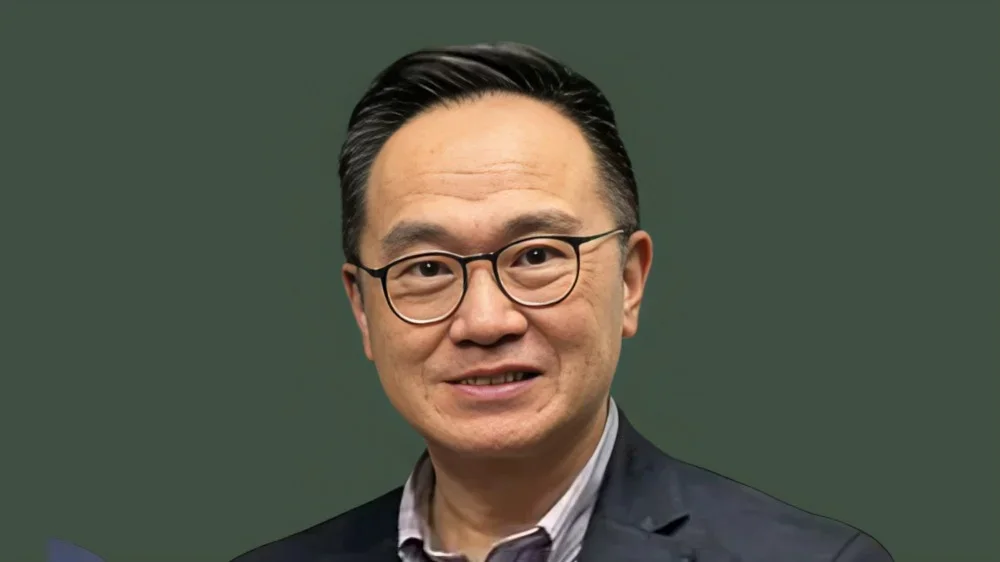
Norman Ng, Director of Patient Advocacy and Public Affairs at Healthcare Thinkers, shared on LinkedIn:
“Today’s follow-up visit at Queen Mary Hospital | A closer look at the warmth and challenges of public hospital healthcare
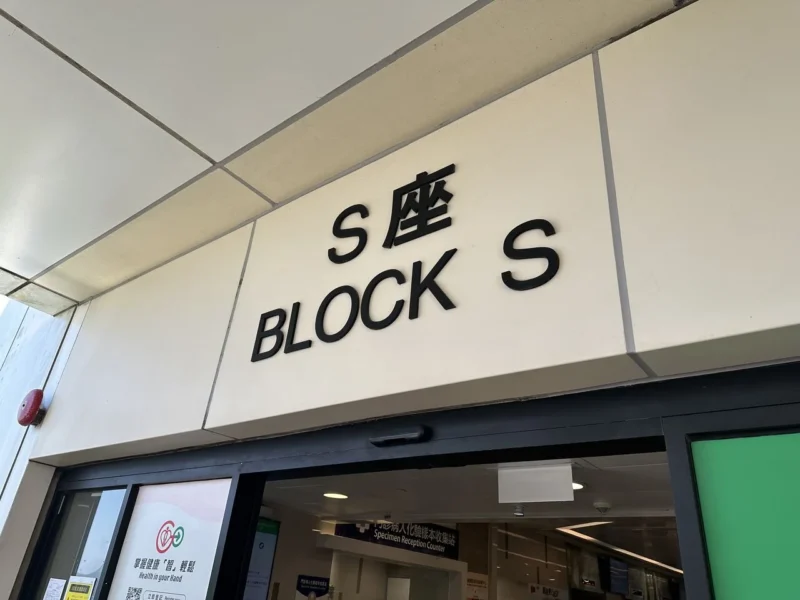
Today, I scheduled a follow-up appointment at the specialist outpatient clinic at Queen Mary Hospital, passing through the ground floor lobby of Block S and the Wen Wong Fung Kei Qing Huai Outpatient Clinic. Along the way, I passed by the Medical Oncology Department, Rheumatology and Joint Department, and the geriatric memory clinic. I first measured my blood pressure at the electronic health monitoring station and noticed the medical and social service guidelines regarding fee reductions. Along the way, I gained a deep understanding of Hong Kong’s public healthcare system:
Impressive meticulous amenities
- Extremely specialized in each subject
Cancer disorders, autoimmune rheumatic diseases, and elderly cognitive and memory issues each have independent specialty clinics, providing tiered follow-up for different severe and chronic diseases. For chronic patients, cancer survivors, and elderly with cognitive impairments, targeted ongoing treatment and follow-up are available.
- Comprehensive convenient self-service services
The hospital has an electronic health monitoring station, allowing patients to take their blood pressure and print reports before follow-ups, saving consultation time; At the same time, a medical social work team has been set up, providing clear guidance for new medical expense reductions and supplementary documents, caring for grassroots patients facing greater financial pressure.
- Full-chain patient support
Not only outpatient treatment, but also supporting drug sample collection, social worker financial support, senior specialists, and follow-up for critical tumors covering treatment, daily monitoring, and financial assistance the entire framework is complete.
Experiencing the long-standing pressure on the public healthcare system
Public hospitals have long waiting times for specialists, and oncology, rheumatology, and geriatric memory departments are all chronic severe cases, requiring patients to have regular follow-up visits; Coupled with an aging population, the demand for geriatric memory care continues to rise, putting a strain on medical staff and consultation hours.
Just like today, when my systolic blood pressure was measured at 149 mmHg (every time I go to the hospital, it’s a bit high and I’m a bit nervous). As a long-term cancer user, I deeply understand that chronic and severe patients need to rely on public hospital specialists for extended periods. I’m grateful for stable medical care, but I also understand that the system must serve a large number of citizens with limited resources, which is extremely challenging.
My deepest personal feelings
The greatest value of Hong Kong’s public healthcare is that regardless of wealth, patients with severe and chronic illnesses can receive ongoing specialist care, with social worker exemption mechanisms as a safety net; However, with an aging population and increasing cases of cancer and chronic diseases, it is necessary to continuously optimize drug accessibility, medical staffing, and patient support services in the future, so that treatment, financial assistance, and long-term care are more seamlessly connected.
Every follow-up visit to Queen Mary Hospital is not only a regular review of her own cancer journey but also reminds me of my father’s need to visit the geriatric memory department for cognitive issues. I deeply realize that comprehensive medical care is not just about prescribing medication and treating patients, but also about the pressure of caring for the entire family behind a patient.”