
Published on
June 28, 2026

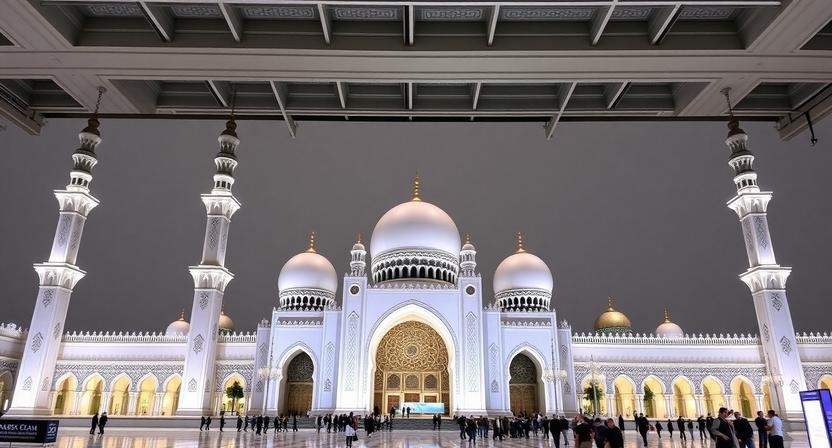
Image generated with Ai
The growth of tourism in Indonesia has started to gain momentum in international level as the country begins to intensify its efforts in becoming one of the world’s leaders in Muslim tourism. This recent attempt is through International Islamic Expo (IIE) 2026 which was held in Jakarta on June 26 – 28 as Indonesia strives to promote its desire to enhance collaborations within the global halal tourism industry.
The forum featured participants such as tourism experts, umrah and hajj travel agencies, investors, organizations, buyers, foreign governments and the creative industry. It acted as a strategic platform through which the global halal tourism markets can be connected to Indonesia’s growing network of destinations, cultural wealth and hospitality facilities. This effort is part of Indonesia’s greater plan to establish itself in an increasingly lucrative field of the tourism industry whereby faith-based travels, ethical travels and culturally sensitive hospitality are increasing in demand.
Jakarta Expo Highlights Rising Global Muslim Travel Demand
According to the Ministry of Tourism, the International Islamic Expo 2026 is designed to capture growing opportunities in the global Muslim travel market. Officials highlighted that Muslim travel demand is expanding rapidly, driven by increasing middle-class income growth, improved air connectivity and stronger demand for culturally aligned travel experiences. The ministry emphasized that this growing segment presents significant economic potential for destinations that can deliver quality services while maintaining authenticity and inclusivity.
The expo created a space for dialogue between public and private sector stakeholders to develop new tourism products, strengthen service standards and improve accessibility for Muslim travellers. It also supported Indonesia’s ambition to expand its tourism footprint beyond traditional leisure travel into specialized segments such as halal tourism, religious travel, wellness tourism and cultural tourism.
Advertisement
Advertisement
Indonesia Strengthens Position As Global Halal Tourism Leader
Indonesia’s participation in the global halal tourism market is supported by strong international recognition. The country has been ranked as the world’s second-best Muslim-friendly destination in the Global Muslim Travel Index (GMTI) 2026, reflecting consistent improvements in infrastructure, hospitality standards and destination management. Officials view this recognition as a result of coordinated efforts between government institutions, private sector players, tourism associations and international partners working to enhance service quality and destination competitiveness.
This ranking places Indonesia among the top-performing destinations in the global halal tourism industry, alongside other leading Muslim-friendly travel hubs. It also highlights the country’s ability to combine cultural heritage, natural landscapes and Islamic values within a tourism framework that appeals to both regional and international visitors.
Advertisement
Advertisement
Halal Tourism Becomes A Major Driver Of Economic Expansion
The Indonesian Ministry of Tourism emphasized that halal tourism is not only a cultural initiative but also a significant economic growth driver. The sector supports a wide ecosystem that includes hotels, restaurants, transport providers, creative industries, travel agencies and MSMEs. These figures highlight how tourism-focused trade events are becoming powerful platforms for investment generation, international cooperation and industry expansion.
Events like the International Islamic Expo 2026 are expected to expand business networks and generate measurable economic impact. The ministry projected that the expo could exceed the performance of the previous year, which recorded 120 exhibitors from 15 countries, 3,877 buyers, 22,802 visitors, and approximately Rp105 billion (around US$6 million) in transactions.
Advertisement
Advertisement
Indonesia Leverages Culture, Nature And Hospitality Strengths
Indonesia’s strategy to strengthen halal tourism is built on its core national strengths: cultural diversity, natural landscapes, culinary heritage and hospitality traditions. Officials emphasized that the country is uniquely positioned to offer authentic travel experiences that align with Muslim-friendly requirements while appealing to a global audience.
From Bali and Lombok to Jakarta, Yogyakarta and Sumatra, Indonesia offers a wide range of destinations that combine natural beauty with cultural depth. The government aims to position these destinations as part of a broader halal tourism network that caters to both religious and leisure travellers. By integrating cultural identity with modern tourism infrastructure, Indonesia is working to create a more competitive and sustainable tourism model.
Collaboration Seen As Key To Tourism Ecosystem Growth
A central theme of the International Islamic Expo 2026 is collaboration. The Indonesian Tourism Ministry stressed that building a strong halal tourism ecosystem requires coordination between government agencies, private companies, international partners and local communities.
This collaborative approach includes improving digital transformation in tourism services, enhancing destination accessibility, strengthening training for tourism workers and supporting small and medium enterprises involved in the hospitality supply chain. The ministry also highlighted the importance of innovation in tourism services to meet evolving global expectations, particularly in areas such as digital booking systems, customer experience management and personalized travel services.
Advertisement
Advertisement
Global Halal Tourism Market Offers Strong Growth Potential
The global halal tourism market is one of the fastest-growing segments in the international travel industry. Rising demand is driven by increasing Muslim populations worldwide, improved air connectivity, growing interest in cultural and faith-based travel, and expanding tourism infrastructure across Asia, the Middle East and Europe.
Indonesia aims to position itself at the centre of this growth by offering integrated travel experiences that combine Islamic values with high-quality hospitality standards. The country’s participation in international expos and tourism forums reflects its long-term strategy to strengthen global competitiveness. By focusing on inclusivity, service quality and cultural authenticity, Indonesia is seeking to attract not only Muslim travellers but also global tourists interested in ethical and culturally immersive travel experiences.
MSMEs And Local Communities Gain Tourism Opportunities
One of the most important impacts of halal tourism expansion in Indonesia is its effect on micro, small and medium enterprises (MSMEs). These businesses form the backbone of the country’s tourism economy and include local restaurants, handicraft producers, tour operators and cultural performers.
The International Islamic Expo 2026 is expected to create new opportunities for these businesses by connecting them with international buyers, investors and travel companies. This helps strengthen local economies while promoting sustainable tourism development. The ministry emphasized that tourism growth must translate into real benefits for communities, ensuring that economic gains are distributed across regions and local stakeholders.
Indonesia Targets Stronger Global Tourism Competitiveness
The Indonesian government continues to focus on improving destination quality, accessibility and international competitiveness. This includes infrastructure development, digital transformation, workforce training and stronger global marketing campaigns. However, this strategy is designed to ensure that Indonesia remains competitive in a rapidly evolving global tourism landscape where traveller expectations continue to rise.
By hosting events like the International Islamic Expo 2026, Indonesia is positioning itself as an active leader in shaping the future of halal tourism. The country aims to align with global market trends while preserving cultural identity and promoting sustainable tourism practices.
Advertisement
Advertisement
Indonesia Builds A Future As A Global Halal Tourism Hub
The International Islamic Expo 2026 in Jakarta is an important move by the Indonesian government to develop its tourism sector into a global center for halal tourism and Muslim-friendly tourism. With a high level of international awareness, growing demand among visitors, and increasing industry cooperation, Indonesia is positioning itself well within one of the fastest-growing segments of the tourism sector globally.
As the trends in the world of travel continue to change, the strategy that Indonesia uses in focusing on its cultural authenticity, excellent hospitality and tourism development can be expected to remain key aspects of its future travel and tourism development plan.
Advertisement
Advertisement
