
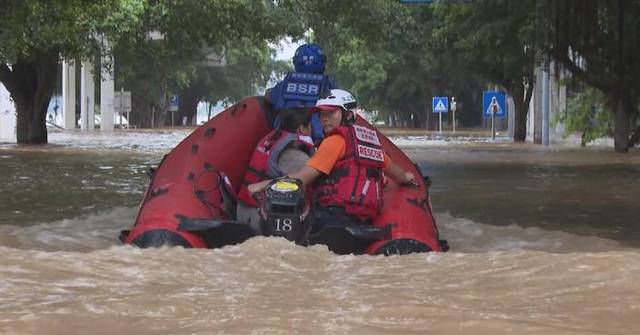
Persistent heavy rains have triggered flooding in Guangxi Zhuang Autonomous Region in the south and Chongqing Municipality in the southwest, prompting locals to take emergency measures to evacuate affected population.
As of 15:00 on Sunday, water levels in 11 rivers across Guangxi exceeded dangerous lines, prompting local hydrological center to issue an orange flood warning on the day.
In Liuzhou City, a local hydrological station recorded a warning water level of 82.50 meters at 08:05 on Sunday, with some low-lying urban areas submerged.
“We arrived here at 08:30. The water level wasn’t this high back then, but it has been rising steadily. We are a team of 16 people in total and we have four rubber dinghies. Now we are evacuating people, with over 100 in need of help,” said Wang Liandong, leader of a voluntary search and rescue team.
At 08:20 on Sunday, the city’s maritime safety administration upgraded its flood control emergency response to Level III.
Chongqing Municipality was also hit by rains for days, with most parts experiencing moderate to heavy rain from 08:00 on Sunday to 08:00 on Monday, according to the local hydrological monitoring station.
Water authorities forecast that water levels of some small and medium-sized rivers in central and southeastern Chongqing will rise to varying degrees by 08:00 Tuesday, before stabilizing across local watercourses from Tuesday daytime with no apparent rising.
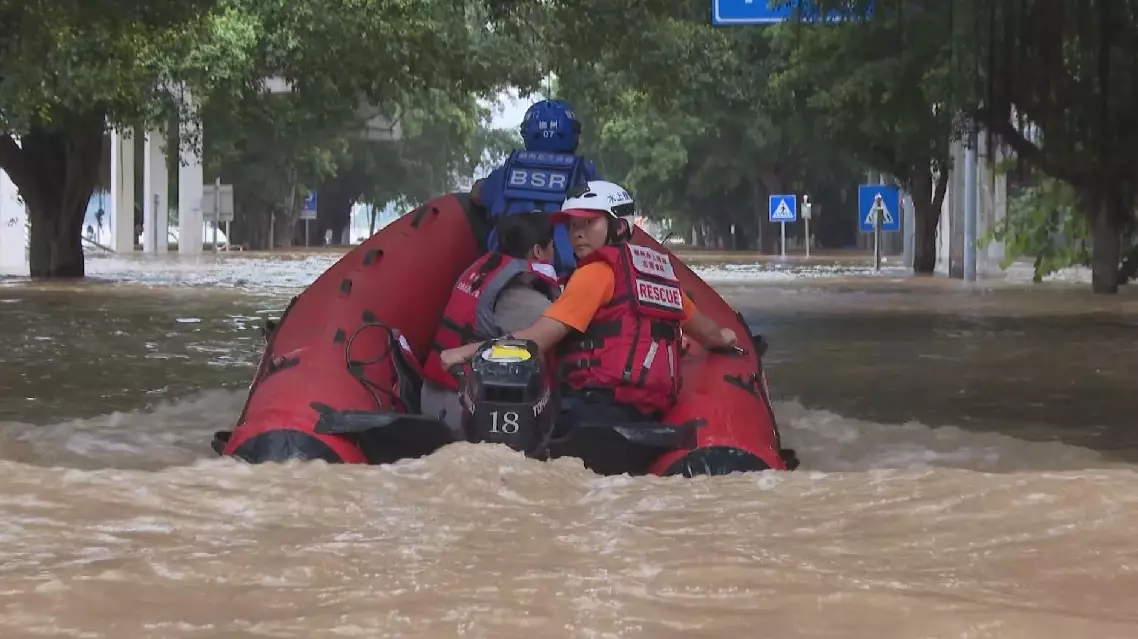
Persistent heavy rains trigger flooding in Guangxi, Chongqing
New energy vehicles (NEVs) accounted for 56.9 percent of all new car sales in China in May, against 50.8 percent in 2025 and 40.9 percent in 2024, according to the latest data from the China Association of Automobile Manufacturers (CAAM).
With nearly 1.5 million units sold last month, the country’s NEV market is growing at a pace that continues to outstrip global expectations.
Chen Shihua, deputy secretary-general of CAAM, attributed the momentum to a combination of falling costs, rapid technological upgrades and a fundamental change in consumer preferences. Even as traditional gasoline car sales soften, NEVs have carved out an independent growth trajectory.
For Chinese buyers, the appeal of NEVs goes far beyond cost savings. The battleground has shifted to the software-defined cabin. Domestic AI models are increasingly being integrated into vehicles, transforming the driving experience from a mechanical task into something highly intuitive.
Some models now use sensors and facial recognition to detect a driver’s mood, automatically adjusting ambient lighting, music and even cabin fragrances. As a dealership manager in Chongqing noted, consumers are no longer obsessing over horsepower; they are prioritizing smart features and the overall user experience.
This tech-heavy push is happening alongside a dramatic drop in prices. As battery material costs stabilize and advanced manufacturing techniques, such as integrated die-casting, become standard, automakers are passing the savings directly to consumers.
Brands like BYD and Leapmotor are now offering vehicles with advanced driver-assistance systems for under 100,000 yuan, with some entry-level NEVs priced around 80,000 yuan.
Charging infrastructure, long cited as a potential bottleneck, is also keeping pace with demand. According to the National Energy Administration, China had deployed nearly 22 million charging facilities nationwide as of April.
The network now spans from urban centers to remote rural areas, making the promise of charging as convenient as refueling a tangible reality for millions of drivers. Government incentives, including trade-in subsidies, are further fueling this momentum.
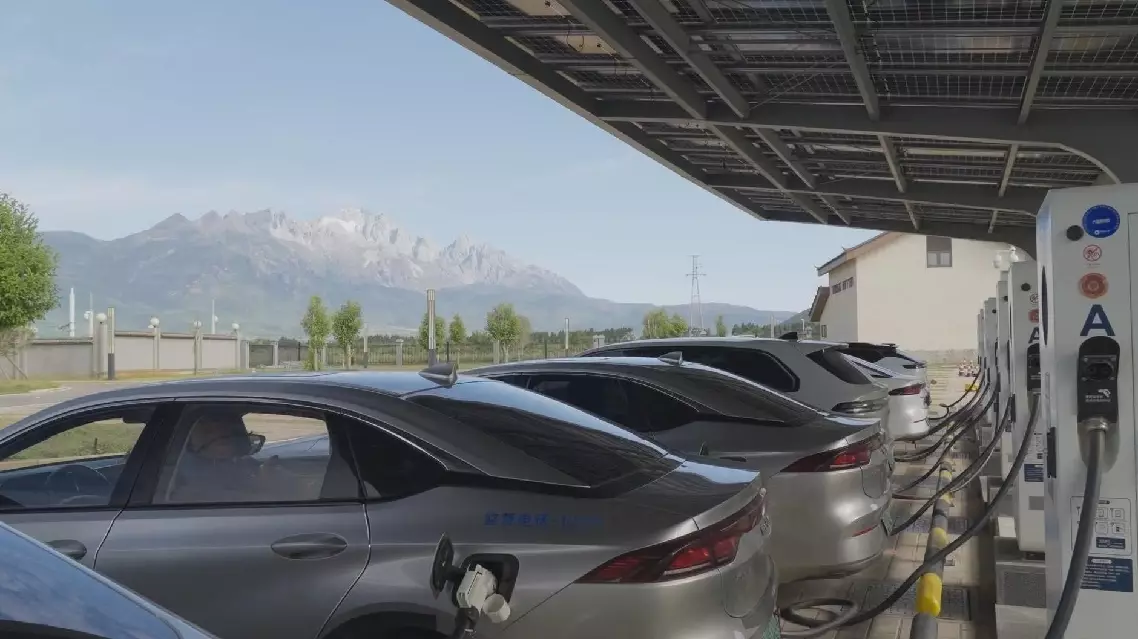
Chinese consumers embrace NEVs