
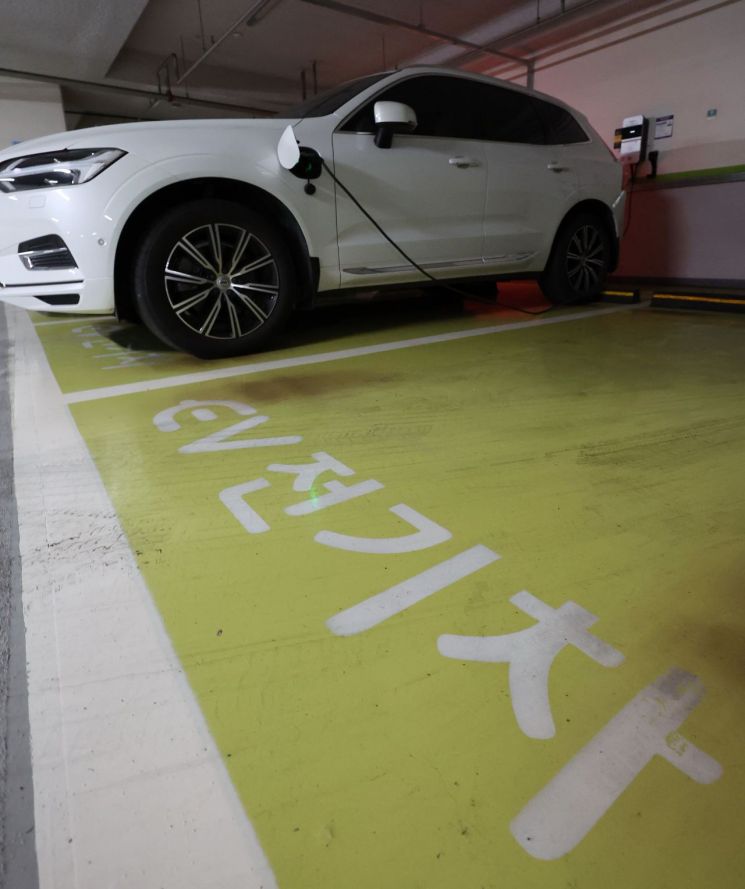
Eco-Friendly Driving Guide for EVs Released
Part of the Korean Green NCAP Initiative
The Korea Transportation Safety Authority announced on the 21st that it has introduced eco-friendly driving guidelines (Eco-Driving Guidance) for electric vehicle (EV) drivers.
These guidelines have been developed as part of the Korean Green NCAP (New Car Assessment Program) evaluation technology development project, which is being carried out by the Authority’s Automobile Safety Research Institute. The guidelines are based on data derived from test evaluations that considered the factors affecting the energy consumption efficiency and single-charge driving range of EVs. Green NCAP is a system that will officially launch next year, evaluating the overall eco-friendliness of vehicles—such as fuel consumption or single-charge driving range and life-cycle greenhouse gas emissions—at a higher standard than current legal requirements and releasing the results to the public.
Key recommendations for eco-friendly driving include not speeding when driving at high speeds, refraining from excessive use of heating and cooling systems, and maintaining an appropriate battery charge level. Additional actions drivers can take while operating their vehicles include utilizing regenerative braking, using scheduled climate control during charging, avoiding rapid acceleration and braking, keeping windows closed at high speeds, and making use of traffic information while driving.

Safe Driving Campaign Message for Today. Provided by the Korea Transportation Safety Authority.
For vehicle maintenance, the guidelines suggest planning charging for long-distance trips, disconnecting the 12V battery for prolonged parking, using tires designed for electric vehicles, and maintaining proper tire pressure. The Authority explained, “We aim to address various inconveniences experienced by drivers, such as the difficulty in predicting EV driving range, and supplement existing internal combustion engine-focused guidelines to provide EV-specific information.”
Previously, the Authority presented a total of 11 eco-friendly and economical driving tips for internal combustion engine vehicles, divided by driving stages. The preparation stage includes checking traffic information to select the optimal route, removing unnecessary items, and checking tire pressure. While driving, the tips include maintaining a constant speed, smooth starting, adhering to economical speeds, minimizing engine warm-up, utilizing coasting, and limiting air conditioner use. During stops and maintenance, it is advised to minimize unnecessary idling and regularly inspect consumable parts.
Hot Picks Today

Jung Yong-sik, President of the Korea Transportation Safety Authority, stated, “We will continue to develop a variety of eco-friendly and economical driving content that people can easily put into practice in their daily lives, creating a sustainable transportation environment.”
This content was produced with the assistance of AI translation services.
© The Asia Business Daily(www.asiae.co.kr). All rights reserved.