
Published on
June 17, 2026

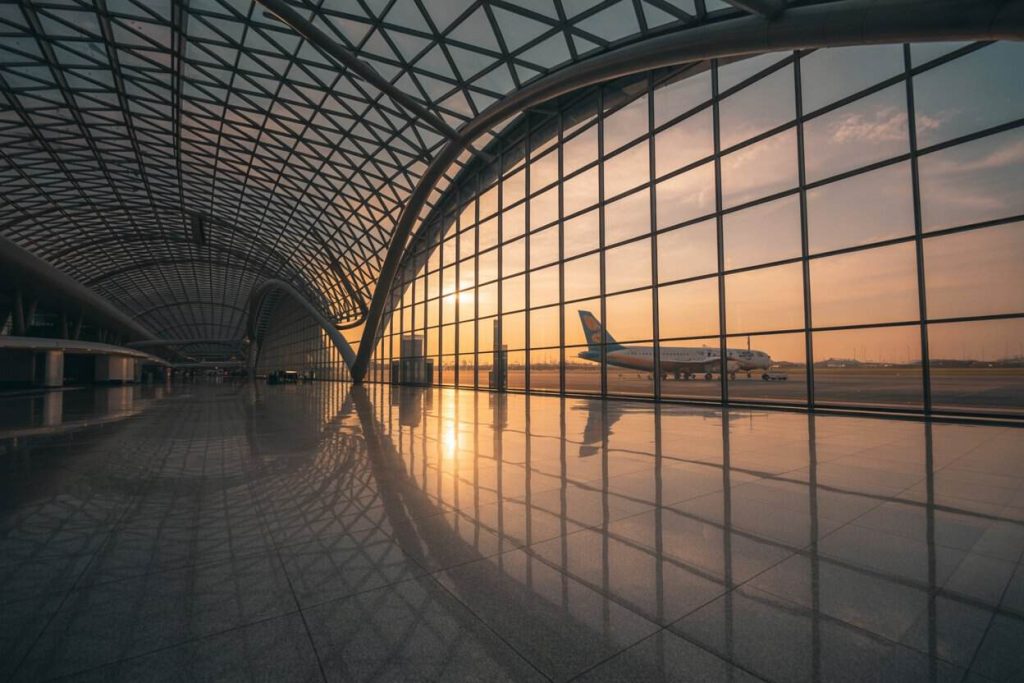
Image generated with Ai
The latest airline news coming out of Southeast Asia is putting Bangkok back in the spotlight, as Thailand pushes forward with one of its most important aviation upgrades in years. The focus is firmly on the Suvarnabhumi Airport expansion impact on travel, a project that’s expected to quietly reshape how millions of people move through the region by 2029.
At its core, this expansion isn’t just about adding space. It’s about fixing friction in the travel experience—shorter queues, smoother transfers, and a more connected airport system overall. And for anyone who’s ever rushed through a tight layover in Bangkok, that change matters more than it sounds.
A Shift in How Travel Flows Through Bangkok
For years, Bangkok has been one of Asia’s busiest aviation crossroads, but the system has often felt stretched during peak travel periods. That’s where the current upgrade steps in.
The Suvarnabhumi Airport expansion impact on travel is expected to completely reshape passenger movement through the airport. Instead of bottlenecks and long processing times, officials are aiming for a smoother, more predictable flow from arrival to departure.
Advertisement
Advertisement
This ties directly into improving airport passenger experience, which is one of the main goals of the expansion. Travelers can expect:
- Faster immigration and security procedures
- Better-designed terminal layouts to reduce crowding
- Improved baggage handling systems
- Clearer navigation for transit passengers
It’s the kind of behind-the-scenes change that travelers only notice when it’s missing—and eventually, when it gets better.
Advertisement
Advertisement
Bangkok’s Role As A Regional Gateway
The latest airline news also highlights Bangkok’s growing importance as a connector between continents. With demand rising across Asia, the city is being positioned as a stronger ASEAN travel hub, linking flights across Southeast Asia, East Asia, and South Asia.
A big part of that shift depends on improving Bangkok flight connectivity, which has been a priority in Thailand’s aviation planning. Better coordination between Suvarnabhumi and Don Mueang airports is expected to make connections more seamless, especially for international passengers switching between long-haul and regional flights.
Advertisement
Advertisement
This is where the impact becomes more noticeable for travelers:
- Easier connections between ASEAN countries
- More flexible flight schedules
- Reduced layover stress for international passengers
- Better alignment between airlines operating in Bangkok
In simple terms, Bangkok is being rebuilt as a smoother handoff point for global travel.
Making International Transfers Less Stressful
Anyone who has connected through major hubs knows the difference between a smooth transit and a stressful one. The improvements planned under the Suvarnabhumi Airport expansion impact on travel are meant to reduce that stress significantly.
The idea is to strengthen international transit Bangkok operations so passengers don’t feel like they’re racing against time just to make their next flight.
Advertisement
Advertisement
That means:
- Shorter walking distances between gates
- More efficient transfer security checks
- Better real-time flight coordination
- Reduced chances of missed connections
For frequent flyers, this is one of the most meaningful upgrades because it directly affects how exhausting—or easy—long journeys feel.
Tourism and Travel Demand Driving The Change
Thailand’s tourism industry is a major reason behind the expansion, and it continues to shape planning decisions. The steady rise in international arrivals has made it clear that airport capacity needs to keep up.
The latest airline news reflects this pressure, as Thailand prepares for continued growth in inbound travel. The expansion is closely tied to Thailand tourism growth, ensuring that rising visitor numbers don’t overwhelm airport infrastructure.
The goal isn’t just to handle more passengers—it’s to make sure those passengers have a better experience from the moment they land.
That includes:
Advertisement
Advertisement
- Smoother arrivals during peak holiday seasons
- Faster exit processes after long flights
- More reliable connections for tourists exploring multiple destinations
- A more welcoming first impression of Thailand
When travel feels easier, people tend to come back—and stay longer.
What Changes For Everyday Travelers
Beyond strategy and planning, the real impact of the Suvarnabhumi Airport expansion impact on travel will be felt by ordinary passengers going about their trips.
Whether it’s a holiday or a business visit, the airport experience is expected to feel noticeably different. Instead of long queues and crowded waiting areas, travelers should see a more controlled and efficient environment.
Improvements likely to stand out include:
- More organized boarding processes
- Reduced congestion in peak travel hours
- Faster baggage delivery at arrival
- Better passenger guidance throughout terminals
These changes might not sound dramatic on paper, but for someone running to catch a connecting flight, they make a huge difference.
Why This Matters For The Region
The long-term goal is bigger than just Bangkok. The ASEAN travel hub vision positions Thailand as a central point in regional aviation, where passengers can move more easily between countries without unnecessary delays.
Advertisement
Advertisement
Stronger Bangkok flight connectivity supports this by making the city a reliable stopover for both short-haul and long-haul routes. Airlines benefit from better route efficiency, and travelers get more options when planning trips across Asia.
At the same time, improving airport passenger experience helps Bangkok stay competitive with other major hubs in the region, especially as air travel demand continues to rise.
The Bigger Picture
When you connect all the pieces together, the Suvarnabhumi Airport expansion impact on travel is less about a single construction project and more about reshaping how travel feels through one of Asia’s busiest gateways.
The latest airline news around Bangkok shows a clear direction: more efficiency, better connectivity, and a stronger role in global aviation.
And while passengers may not notice every infrastructure upgrade happening behind the scenes, they will definitely feel the results the next time they pass through Bangkok—faster transfers, smoother journeys, and a less stressful way to move across continents.
That’s the quiet transformation happening right now, and by 2029, it’s expected to redefine what it means to travel through Thailand.

Advertisement
Advertisement
