
Published on
April 15, 2026

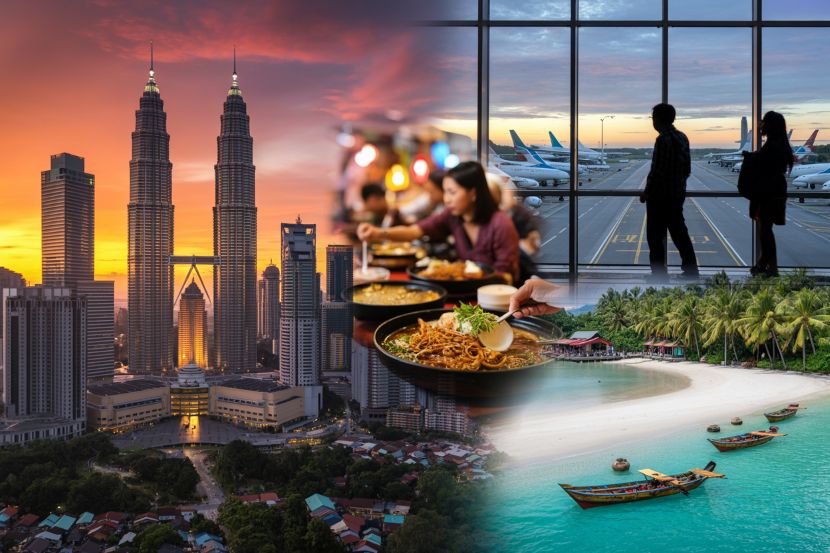
Image generated with Ai
Malaysia is rapidly emerging as one of Southeast Asia’s most accessible tourism gateways, drawing growing attention from Latin American markets, including Brazil, Argentina, Mexico, and Colombia. Backed by expanded air connectivity, visa-friendly policies, and competitive travel costs, the country is reshaping long-haul travel patterns between Latin America, Europe, the Middle East, and Asia. As part of its Visit Malaysia 2026 strategy, the nation is enhancing aviation links via major hubs such as Paris, London, Dubai, Doha, Istanbul, Singapore, and Bangkok, making multi-stop itineraries more seamless than ever. At the same time, destinations like Kuala Lumpur, Penang, Langkawi, Malacca, and Borneo are gaining traction for their cultural diversity, culinary excellence, and natural landscapes. With global tourism steadily rebounding—international arrivals reached nearly 1.3 billion in 2023 according to UN Tourism—Malaysia is positioning itself as a high-value, strategically connected destination for long-haul travelers seeking immersive Asian experiences.
Play News Now
TTW Audio Brief
Malaysia’s Strategic Pivot: Building a Global Tourism Gateway
Malaysia’s tourism blueprint is increasingly centered on accessibility and network expansion. The Visit Malaysia 2026 campaign is not merely promotional—it reflects a broader infrastructure and aviation push designed to attract long-haul travelers from emerging outbound markets, particularly Latin America.
While direct flights from Latin America remain limited, Malaysia has effectively built a multi-hub access model through:
- Europe: Paris, Amsterdam, London, Frankfurt, Munich, Rome, Madrid
- Middle East: Dubai, Doha, Istanbul
- Asia: Singapore, Bangkok
This layered connectivity allows airlines such as Emirates, Qatar Airways, Turkish Airlines, Lufthansa, and Singapore Airlines to funnel passengers efficiently into Kuala Lumpur. Notably, Lufthansa’s planned Frankfurt–Kuala Lumpur route (expected 2026) signals renewed European airline confidence in Malaysia’s inbound demand.
Advertisement
Advertisement
From a tourism economics perspective, such connectivity reduces travel friction and boosts average length of stay, a key metric for destination revenue growth.
Kuala Lumpur: A High-Performance Aviation and Urban Tourism Hub
Where Infrastructure Meets Cultural Depth
At the center of Malaysia’s tourism engine lies Kuala Lumpur, home to one of Southeast Asia’s most connected airports—Kuala Lumpur International Airport (KLIA). The airport functions as a critical transit hub linking regional destinations such as Penang, Langkawi, Malacca, and Borneo.
Advertisement
Advertisement
However, Kuala Lumpur’s role extends beyond transit. The city is increasingly marketed as a primary destination thanks to:
- Iconic landmarks such as the Petronas Twin Towers
- A thriving urban food scene blending Malay, Chinese, and Indian cuisines
- Competitive pricing compared to regional peers like Singapore or Hong Kong
According to regional travel data, Kuala Lumpur consistently ranks among Asia’s most affordable capital cities, making it attractive for both leisure travelers and digital nomads.
Penang’s Culinary Diplomacy: A Global Food Capital in the Making
Why George Town is Capturing International Attention
Among Malaysia’s standout destinations, Penang—particularly George Town—has emerged as a global tourism magnet. Recognized as a UNESCO World Heritage Site, the city blends colonial architecture with vibrant street culture.
Penang’s strongest differentiator is its world-renowned street food ecosystem, often cited among the best in Asia. The destination offers:
- Heritage dishes shaped by centuries of cultural exchange
- Night markets and hawker centers that attract culinary tourism
- A growing reputation in international travel media rankings
This rise aligns with a broader trend: gastronomy tourism is one of the fastest-growing segments globally, contributing significantly to destination branding and visitor spending.
Seamless Entry and Cost Advantage: A Winning Formula for Long-Haul Travelers
Practical Travel Insights for Latin American Visitors
Malaysia’s growing popularity among Latin American travelers is not accidental. Several structural advantages are driving demand:
- Visa-free or simplified entry for many Latin American nationalities
- Lower accommodation and dining costs compared to neighboring destinations
- A stable and well-developed tourism infrastructure
For travel planners and tour operators, Malaysia offers strong value propositions:
- Multi-destination itineraries within one country
- High-quality hospitality standards
- Efficient domestic connectivity
These factors are particularly relevant as global travelers become more price-sensitive amid fluctuating airfares and economic uncertainty.
Multi-Destination Appeal: Beaches, Rainforests, and Heritage Cities
Crafting Diverse Travel Itineraries Across Malaysia
Malaysia’s tourism strength lies in its geographical and cultural diversity, enabling travelers to experience multiple landscapes within a single trip:
- Langkawi: հայտնի for its beaches and luxury resorts
- Borneo: home to ancient rainforests and biodiversity hotspots
- Malacca: rich in colonial history and heritage architecture
- Penang: a culinary and cultural powerhouse
- Kuala Lumpur: a dynamic urban gateway
This diversity supports longer itineraries and repeat visits, both critical for tourism sustainability.
Aviation Expansion and Market Outlook: What Lies Ahead
Global aviation recovery continues to accelerate, with Asia-Pacific leading growth projections. Malaysia is leveraging this trend by:
- Expanding bilateral air service agreements
- Encouraging new airline routes
- Investing in airport infrastructure upgrades
Industry projections suggest that Southeast Asia will remain one of the fastest-growing tourism regions through 2030, with Malaysia well-positioned to capture a significant share due to its strategic location and connectivity model.
For Latin American markets, the absence of direct flights is increasingly offset by efficient one-stop connections, reducing total travel time and improving accessibility.
Smart Travel Planning: Tips for First-Time Visitors to Malaysia
Turning Connectivity into a Seamless Journey
For travelers considering Malaysia as a Southeast Asia entry point, a few strategic tips can enhance the experience:
- Leverage stopovers in hubs like Dubai or Singapore to break long journeys
- Combine urban exploration in Kuala Lumpur with island or heritage destinations
- Plan visits during major festivals to experience Malaysia’s cultural diversity
- Use low-cost regional airlines for affordable domestic travel
Such planning aligns with current travel trends where multi-country and multi-city itineraries are gaining popularity.
A Destination Positioned for the Next Wave of Global Tourism
Malaysia’s evolution into a globally connected, culturally rich, and economically accessible destination reflects a broader shift in travel dynamics. As long-haul travelers increasingly seek value-driven, immersive experiences, Malaysia offers a compelling mix of connectivity, diversity, and affordability.
With strong aviation partnerships, expanding tourism infrastructure, and a clear strategic vision for 2026, the country is not only strengthening its foothold in Southeast Asia but also redefining how global travelers—especially from Latin America—approach the region.
Advertisement
Advertisement
