
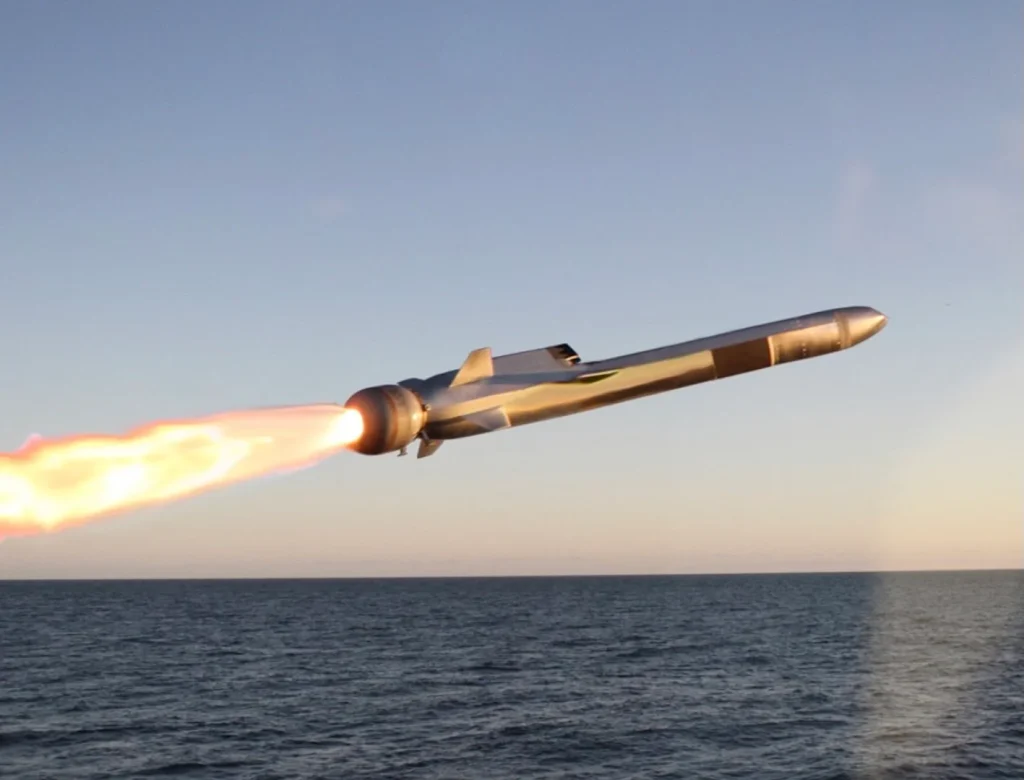
Kuala Lumpur – Malaysia — The Malaysian government launched a scathing and highly critical diplomatic assault against Norway following Oslo’s abrupt cancellation of a scheduled missile defense contract previously sealed between the two nations. Kuala Lumpur stated that the unexpected decision triggers profound and serious questions regarding the reliability of international defense partnerships and the baseline commitment of supplying states to their contractual and ethical obligations.
Sudden Withdrawal and the Erosion of Mutual Trust
High-ranking Malaysian officials reinforced that the sudden, unilateral termination of this military framework transmits highly dangerous and negative signals to sovereign states that rely fundamentally on foreign defense cooperation to develop and modernize their domestic military capabilities. Officials pointed out that such uncalculated maneuvers could deeply and adversely impact the levels of mutual trust required between states and the multi-billion-dollar global corporations operating within the defense and technological industrial complexes.
Kuala Lumpur expressed its profound dissatisfaction and regret over what it formally quantified as the “politicization of arms deals,” criticizing the attachment of procurement programs to political considerations and agendas completely outside the scope of the agreed-upon commercial and technical mandates. The Malaysian administration argued that unilateral actions of this nature systematically weaken the credibility and architecture of the international order, which is built at its core upon respecting verified contracts, charters, and legal covenants forged between sovereign entities.
Recalibrating Strategies and Diversifying Defense Hardware Sources
Malaysian authorities emphasized that engineering stable, sustainable, and strategic defense relations demands absolute clarity in overarching national policies and total respect for long-term bilateral commitments. They noted that any backtracking or breach of signed accords could compel affected nations—including Malaysia—to execute a comprehensive re-evaluation of their future strategic options. This structural shift would entail diversifying arms procurement channels and expanding military cooperation with other global actors proven to be more reliable.
In response to the crisis, Malaysia called for an immediate reinforcement of diplomatic dialogue and mutual understandings between the concerned governments to insulate shared strategic interests from passing political disputes. Kuala Lumpur reiterated the vital importance of maintaining a secure international theater anchored by trust, reciprocal respect, and rigid compliance with the frameworks governing multilateral international cooperation.
Geopolitical Metamorphosis in the Global Defense Market
This rapidly evolving friction and the emerging diplomatic standoff unfold at a juncture where the global defense and military industrial complex is witnessing fierce, compounding competition alongside accelerating geostrategic and structural transformations. These dynamics position the metrics of trust and rigid adherence to military and commercial contracts as foundational, pivotal factors in shaping the features of international relations and the nature of sovereign alliances in the coming era.