
Published on
June 2, 2026

Image generated with Ai
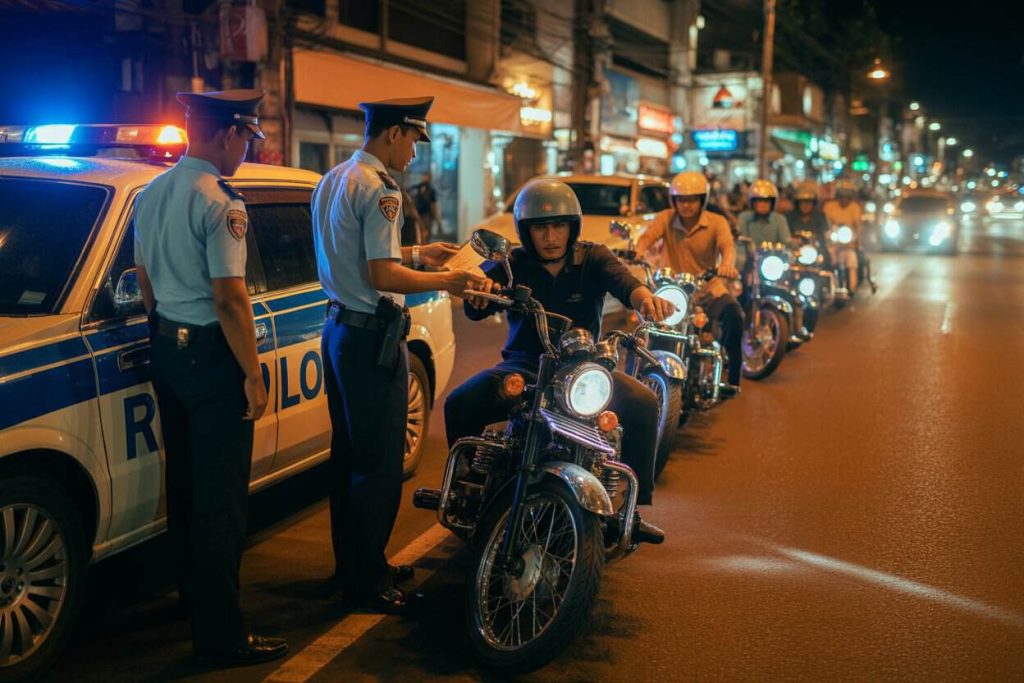
Indonesia has intensified its public safety measures in Bali, putting Tourist Safety at the forefront of travel planning. Canggu, North Kuta, Seminyak, and surrounding districts now face stricter law enforcement. Police conduct night patrols, surprise inspections, and monitor illegal street racing and loud modified “brong” exhausts. Immigration officers supervise foreign visitors across villages, ensuring compliance with local laws. These coordinated efforts demonstrate Bali’s commitment to protecting both residents and travellers while maintaining the island’s global appeal.
Tourist Safety Emerges as Bali’s Travel Priority
Tourist Safety has become a core pillar of Bali’s public security strategy. Rapid growth in areas like Canggu and North Kuta brings diverse visitors—surfers, families, digital nomads, and nightlife enthusiasts. Consequently, roads and public spaces have become busier, raising the risk of accidents and disturbances.
Police now focus on anti-social road behaviour, particularly illegal street racing and brong exhausts. These vehicles create noise pollution, disturb residents, and threaten public safety. Additionally, authorities emphasise that these measures apply equally to Indonesians and foreign tourists. Bali’s success as a destination depends on shared responsibility.
By prioritising Tourist Safety, Bali reinforces trust with both residents and visitors, ensuring tourism growth does not compromise peace, culture, or community harmony.
Advertisement
Advertisement
Night Patrols in North Kuta and Canggu Reinforce Safety
North Kuta and Canggu have become central hubs for daytime and nightlife activities. Streets are crowded, scooters are abundant, and nightlife draws large groups. Consequently, police have intensified night patrols to intercept risky behaviour before incidents occur.
Illegal brong exhausts, often linked to street racing, remain a priority. They disturb local residents and interfere with temple ceremonies. By targeting these violations, authorities not only enforce the law but also protect community well-being.
Advertisement
Advertisement
Police patrols are adaptive, scheduled according to traffic patterns, hotspot activity, and community complaints. This ensures a responsive and flexible safety network. For tourists, this means enforcement can appear at any time, even in familiar areas.
Practical Steps Tourists Can Take to Support Safety
Visitors can actively contribute to Tourist Safety with simple measures:
- Carry a valid driving licence and local riding permit.
- Always wear a helmet, even for short trips.
- Avoid riding under alcohol influence or fatigue.
- Use vehicles from licensed rental operators.
- Check brakes, lights, tyres, mirrors, and indicators.
- Avoid modified exhausts and unsafe vehicle modifications.
- Follow local traffic rules and police instructions.
- Use taxis or ride-hailing services when unsure.
These actions help protect travellers and maintain local trust, allowing Bali to remain safe and enjoyable.
Immigration Measures Strengthen Tourist Safety
Bali’s approach goes beyond policing roads. The Dharma Dewata Immigration Task Force monitors foreign nationals for compliance with immigration rules and public order regulations. Officers patrol high-tourist areas and intervene quickly when violations occur.
Additionally, village-level PIMPASA officers collaborate with local communities. They educate tourists about visa regulations, cultural norms, and public behaviour. Early intervention helps prevent minor issues from escalating into formal legal action, reinforcing Tourist Safety throughout Bali.
Community Engagement Enhances Tourist Safety
PIMPASA officers work with village leaders to integrate law enforcement into community life. They monitor visitor behaviour, enforce local norms, and provide guidance on cultural etiquette. This approach ensures Tourist Safety is maintained while respecting Bali’s traditions.
Advertisement
Advertisement
Tourists are expected to follow visa regulations, avoid unlicensed work, and respect village practices. Compliance protects residents, preserves cultural heritage, and supports a sustainable tourism economy.
Bali Enforcement Measures in Detail
The table below highlights the island’s current safety framework:
| Measure | Focus Area | Implication for Travellers |
|---|---|---|
| Badung night patrols | Street racing, brong exhausts | Expect checks in North Kuta and Canggu |
| Traffic enforcement | Helmets, licences, legal vehicles | Ride responsibly or use taxis |
| Dharma Dewata Task Force | Immigration breaches | Follow visa rules and carry proper documents |
| PIMPASA village officers | Cultural respect, local monitoring | Observe local norms and etiquette |
| Tourist code guidance | Temples, dress, behaviour | Comply with community standards |
| Multilingual police hotline | Emergency assistance | Use 110 for urgent safety issues |
These measures minimise risk without limiting lawful tourism. They also protect residents and ensure streets, villages, and public spaces remain safe.
Nightlife, Parties, and Tourist Safety
Tourist Safety now extends to Bali’s nightlife districts. Bars, clubs, and beach parties are under heightened surveillance, particularly regarding noise, crowd control, and public order. Police patrols ensure gatherings do not escalate into disturbances or safety incidents.
Visitors should plan night outings carefully. Avoid excessive drinking, travel in groups, and use licensed transportation. Understanding that enforcement is flexible encourages responsible behaviour while enjoying Bali’s nightlife.
Road Safety and Scooter Culture
Scooters dominate Bali’s roads, but incidents have increased. Authorities now enforce stricter road laws, including speed limits, helmet use, and proper parking. Tourist Safety depends on travellers following these rules.
Advertisement
Advertisement
Visitors should avoid shortcuts, yield to pedestrians, and check vehicles thoroughly. Using taxis or ride-hailing services remains a safe alternative. These precautions prevent accidents and reduce stress for both travellers and residents.
Environmental Awareness Supports Tourist Safety
Bali has also linked Tourist Safety with environmental protection. Tourists are encouraged to dispose of waste responsibly, respect sacred sites, and avoid disturbing natural habitats. For instance, beach parties and temple visits should follow local guidelines to maintain both safety and cultural respect.
When visitors act responsibly, authorities can focus on high-risk behaviour rather than minor infractions, making the island safer for everyone.
Cultural Respect and Responsible Travel
Bali’s safety strategy emphasizes the link between law enforcement and cultural norms. Respecting temple etiquette, village ceremonies, and community spaces enhances Tourist Safety. Visitors who learn local customs, ask permission before filming, and speak politely in villages face fewer problems and enjoy a more immersive experience.
Travel operators and hotels play a critical role. They should educate guests on local rules and encourage compliance, reducing conflicts and reinforcing a safe tourism environment.
Bali Travel Outlook Amid Safety Enhancements
The stricter enforcement does not diminish Bali’s appeal. Tourists still experience surf beaches, wellness retreats, cultural sites, and family-friendly attractions. Moreover, safety measures increase confidence, reassuring travellers, foreign missions, and local residents.
Advertisement
Advertisement
Responsible behaviour supports longer stays, higher satisfaction, and a thriving tourism economy. Bali now balances natural beauty, cultural richness, and law enforcement, with Tourist Safety at the core. Visitors who respect rules can enjoy a safe, memorable, and culturally immersive holiday.
Ultimately, Bali demonstrates that a destination can remain attractive while enforcing stricter safety rules. Traveller awareness, cultural respect, and adherence to local laws now define a safe, enjoyable Bali experience.
Advertisement
Advertisement
