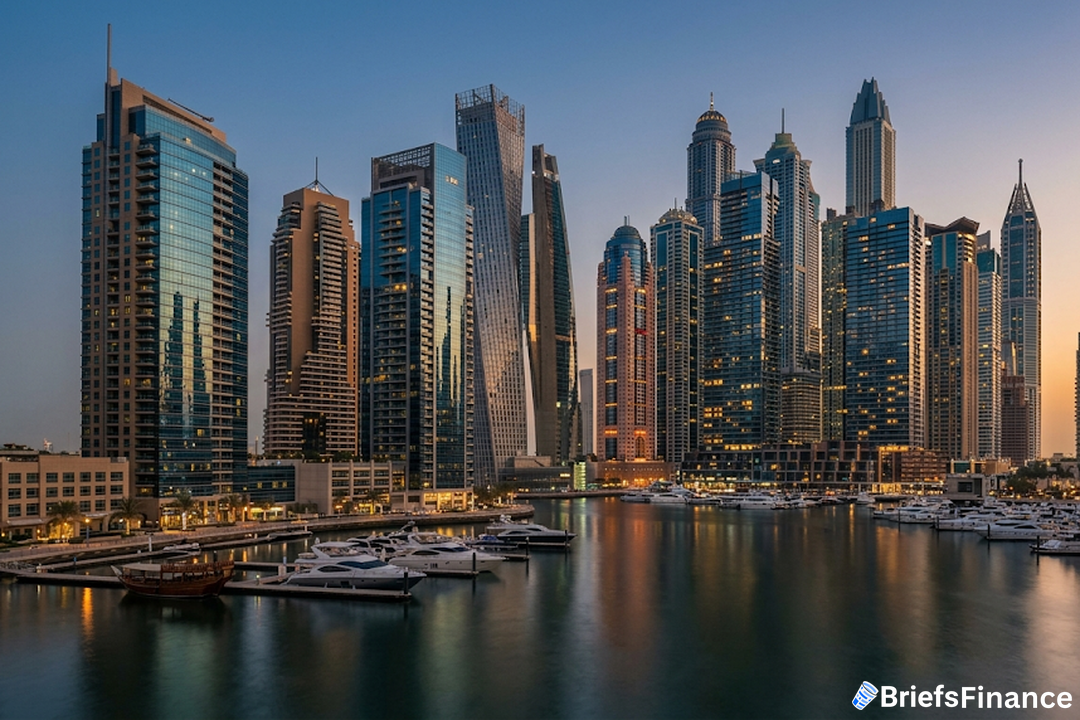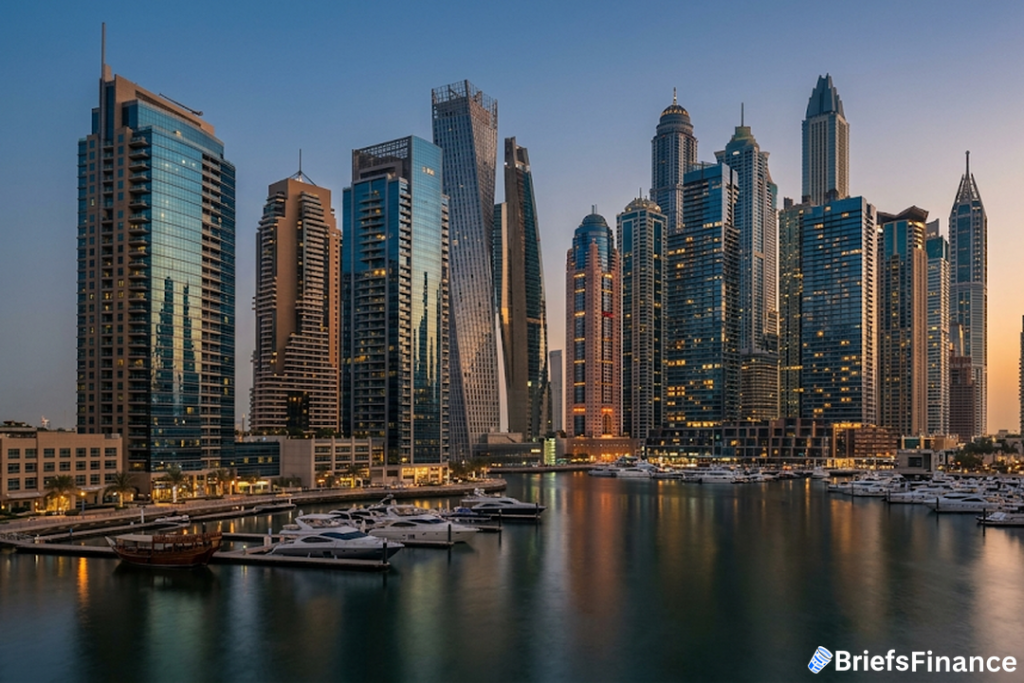
Dubai’s Allure for Hedge Funds
The UAE has become a magnet for global asset managers, drawn by its business‑friendly environment, favourable tax regime, and deep pools of capital from sovereign wealth funds. The Abu Dhabi Investment Authority and Mubadala alone manage over a trillion dollars, providing a substantial investor base for multi‑strategy firms. The DIFC’s common law framework and streamlined visa processes further lower barriers for international firms. This trend accelerated as hedge funds seek to diversify geographically and tap into Middle Eastern wealth.
Symmetry’s Strategic Move
Regulatory filings indicate that the firm, founded in 2014 by former Millennium Management employee Feng Guo, has been granted permission by the Dubai Financial Services Authority to operate. Representatives for Symmetry, which maintains additional offices in financial hubs such as London and Hong Kong, declined to provide comment.
Get the market news that matters in a five-minute read with Market Briefs, our free daily newsletter
The move mirrors recent expansions by other major players, including Ken Griffin’s Citadel, which received authorization to begin operations in Dubai within the past few months. A DIFC spokesperson said, “We have introduced flexible measures to help firms manage any potential disruptions,” reflecting the centre’s proactive approach to regional instability.
Financial firms have been drawn to the United Arab Emirates – encompassing both Dubai and neighbouring Abu Dhabi – by its business‑friendly stance, favourable tax regime, and substantial capital pools.
The DIFC’s growth momentum continued despite geopolitical headwinds, with 775 new businesses registered in the first quarter alone, underscoring the centre’s resilience. Although concerns have emerged that the Iran conflict might slow this trend, several investment firms have publicly expressed faith in the UAE’s future as a leading financial centre.
However, tension has escalated once more after a brief ceasefire, with the United States and Iran exchanging strikes and growing anxiety over who controls the strategically vital Strait of Hormuz.
A Long‑Term Hub
The broader trend of hedge funds relocating or expanding to the Middle East has accelerated in recent years, as firms seek to diversify their geographic footprint and tap into growing sovereign wealth funds in the region. Dubai and Abu Dhabi have both aggressively courted financial talent, offering not only tax incentives but also streamlined visa processes and world‑class infrastructure. The DIFC, in particular, has positioned itself as a gateway between Western markets and emerging economies in Africa and Asia.
For Symmetry Investments, which manages multi‑strategy funds and has a global investor base, the Dubai office provides a base to attract capital from regional sovereign funds, family offices, and high‑net‑worth individuals. The appointment of Faisal Butt – a veteran of Brevan Howard’s fixed‑income and macro trading teams – signals the firm’s intent to build a significant local operation. While the recent geopolitical flare‑up has injected uncertainty, the continued influx of companies into the DIFC suggests that many asset managers view the UAE as a long‑term hub rather than a temporary haven.
Join Market Briefs, our free daily newsletter, for a quick daily rundown of the markets